Gordon Ramsay Tomato Salsa Recipe
Gordon Ramsay tomato salsa is a game-changer that transformed my approach to flavor. I used to whip up mediocre salsas, splashing in whatever ingredients I found, until I discovered the punchy, vibrant way Ramsay does it. This recipe teaches you how to balance the sweetness of tomatoes, the zesty zing from lime, and a kick of chili. With just a few fresh ingredients and a handful of techniques, you’ll save time and elevate your cooking confidence. You won’t just make salsa; you’ll create a culinary masterpiece that’ll impress your friends and family. Get ready to dive into this fresh, zesty world where each ingredient matters and flavor reigns supreme.

Exact ingredients for a punchy Gordon Ramsay tomato salsa
Precise shopping list and measurements
This is the list — precise, no fluff. Use ripe tomatoes: 600 g (about 4 medium) plum or vine tomatoes. Red onion 75 g (½ medium), coriander (cilantro) leaves 15 g, flat-leaf parsley 5 g optional, 1 fresh red chilli 10–15 g (adjust to taste), 1 lime for 30–40 ml juice, olive oil 15 ml (1 tbsp), fine sea salt 6 g (1 tsp) and freshly ground black pepper 1/4 tsp.
If you want a touch of sweetness to tame acidity, add 5 g (1 tsp) caster sugar or 10 g (2 tsp) honey. For a roasted option, add 1 tbsp (15 ml) neutral oil for roasting. Total yield: roughly 650–700 g salsa, serves 6 as a condiment (about 2 tbsp/30 g per person).
Buy tomatoes that smell fresh at the stem and aren’t mushy. If your tomatoes weigh over 600 g collectively, scale lime and salt proportionally — 1 lime per 600 g is a simple rule. I keep everything chilled until I’m ready to cut to preserve texture.
Herbs, acid and seasoning — why each gram matters
This salsa is about balance: tomato sweetness, acid from lime, salt to lift flavor, heat from chilli, and the fresh herb aroma. Use 15 g coriander leaves roughly chopped — stems add flavor but use sparingly (5 g) chopped fine if you like a green bite.
Lime gives about 30–40 ml juice; if limes are dry, substitute 15 ml white wine vinegar but add it slowly and taste as you go. Salt at 6 g (1 tsp) is a starting point — you may need 1–2 g more depending on tomato sweetness.
Taste as you go. Add acid in 5–10 ml increments and salt 1 g at a time. If acid feels sharp, stir in 5–10 g sugar or 10–15 ml oil to round the edge. Herbs wilt fast — chop and add them last for maximum freshness. If making ahead, under-season by about 10% and finish seasoning before serving.
Equipment, prep time and mise en place
You don’t need fancy tools: one sharp chef’s knife, a board, a citrus juicer, a bowl, and a spoon. For a smoother version use a small food processor or blender. Prep time: 10–15 minutes for raw salsa, 25–40 minutes for roasted or charred versions including cooling.
Active chopping time: 6–8 minutes. Keep a clean, damp towel under your board to stop it slipping. Chill a small bowl to rest the finished salsa if serving cold.
If you plan to roast or char, line a baking tray with foil for easy cleanup. For food safety, raw tomato salsa does not need a core temperature target, but once cooked with proteins aim for 74°C (165°F). Otherwise, make sure roasted pieces are steaming hot before you combine them.
Step-by-step raw method for the gordon ramsay tomato salsa approach
Quick raw salsa — chopping and combining method
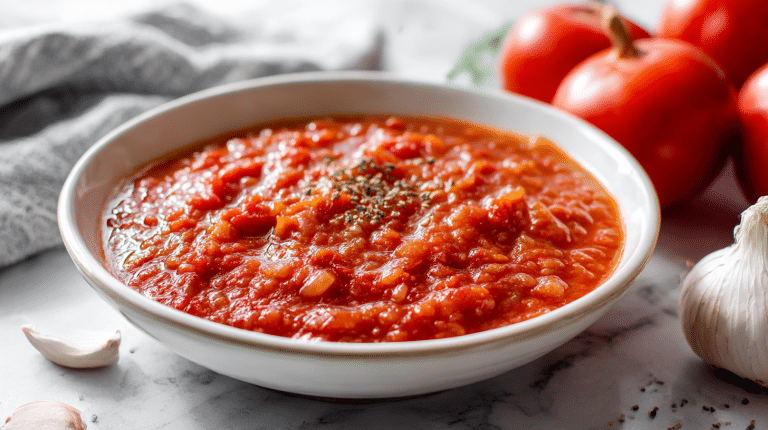
Start by halving and deseeding tomatoes if you prefer less liquid: core and cut into 1 cm dice (about 10–12 mm). Finely dice 75 g red onion to match the tomato dice size; small even dice gives a balanced bite. Mince chilli finely — remove seeds for milder heat. Chop coriander leaves and small tender stems roughly. Combine tomatoes, onion, chilli, and herbs in a bowl.
Add 30–40 ml freshly squeezed lime juice, 15 ml olive oil, and 6 g salt. Stir gently to combine and let sit at room temperature for 10–15 minutes so flavors marry. If plating cold, rest for 5 minutes, then chill quickly. Serve within 2 hours for peak brightness; refrigerate if storing. This quick method makes a bright, fresh gordon ramsay tomato salsa with crunchy onion and herbal lift.
Finishing techniques — texture tweaks and resting times
Texture makes or breaks it. For chunkier salsa, chop ingredients larger and fold gently; for a saucier salsa, dice everything finer or pulse for 2–3 short bursts in a food processor.
After seasoning, let the salsa rest 10–20 minutes at room temperature — this softens raw onion and lets citrus slightly macerate tomatoes without turning them to mush. If the salsa will sit longer than 2 hours, under-salt by 10% and finish seasoning before serving. If you need to brighten it later, add an extra 5–10 ml lime juice and 2–3 g salt, stir, and taste after 2 minutes.
tomato salsa has a simple chemistry: heat, acid, fat, and salt shift how we taste it, so small tweaks go a long way.
Food safety basics for raw tomato salsa
Raw salsa is perishable. Keep it at or below 4°C (40°F) in the fridge and use within 48 hours for freshness and safety. Discard if it smells off or shows mold.
Acid from lime slows bacterial growth but doesn’t replace refrigeration. When serving outdoors, don’t leave salsa at room temperature more than 2 hours (1 hour if ambient temperature is above 32°C / 90°F).
I don’t add raw eggs, dairy, or undercooked meat to the salsa — those need extra safety steps. For cooked mix-ins, ensure cooked ingredients reach 74°C (165°F) and cool rapidly before combining and refrigerating. Label leftovers with date and time so you know when to toss them.
Roast, char or air-fry — comparing cooking methods for deeper flavor
Oven roasting — low-and-slow vs hot roast
Oven roasting concentrates tomato flavor and reduces moisture for a thicker, smokier salsa. For concentrated sweetness, halve tomatoes, toss with 15 ml oil and 2 g salt, and roast cut-side up at 200°C/400°F for 25–30 minutes until edges caramelize. For a faster char, roast at 240°C/465°F for 12–18 minutes and watch closely. Let cool slightly before dicing or pulsing.
Low-and-slow (150°C/300°F for 40–50 minutes) gives jammy, deeper notes ideal for winter salsa. Hot roast preserves some bright acidity and adds char. Drain excess liquid if you want to keep texture and reserve it for dressings. The oven method is reliable for batches of 800–1,000 g.
Grill and stovetop charring — speed and smoke
A grill or cast-iron pan gives fast charred flavor. Halve tomatoes and place cut-side directly on a screaming-hot grill or pan (250–300°C / 480–570°F surface) for 2–4 minutes until blistered and blackened. Turn and char the skin side 1–2 minutes. Char onion and chilli lightly too for smokiness. Cool, peel if you like, then chop.
Grilling adds smoky notes and is great for outdoor cooking. Watch closely: char can go from perfect to bitter in 30 seconds. Use tongs, not a fork, to avoid puncturing fruit and losing juices. For a richer finish, add 10–15 ml olive oil after chopping to round the flavors.
Air fryer shortcut — quick, controlled caramelization
Air fryers work well for 2–6 tomatoes. Preheat to 200°C (390°F) for 3 minutes. Place halved tomatoes in the basket, drizzle 5–10 ml oil, and air-fry for 10–12 minutes until blistered and slightly shriveled. Smaller batches cook faster; check at 8 minutes.
Skins will soften and char; you may not need to peel. For milder caramelization, drop temp to 180°C (355°F) and add 2–3 minutes. Don’t overcrowd the basket — airflow matters. Use air-fried tomatoes the same as oven-roasted: chop or pulse, then finish with lime, herbs, and seasoning.
Common mistakes with tomato salsa — how to fix them fast
Too watery — how to thicken without losing flavor
Watery salsa usually comes from very juicy tomatoes or over-pulsing. Fix it by draining excess liquid through a fine mesh for 5–10 minutes, or add 30–50 g finely diced roasted bell pepper or 20 g tomato paste to absorb and add body.
For raw salsa, fold in 1–2 tbsp (15–30 g) finely chopped cucumber or avocado for body — note avocado shortens fridge life to 24 hours. If you need immediate thickness without changing flavor, chill the salsa for 30 minutes; cold slows juice release.
Avoid squeezing tomatoes — you lose flavor and make the salsa watery. For future batches, pick firmer tomatoes or remove seeds before chopping.
Bland or overly acidic salsa — balancing tips
If salsa tastes bland, first check salt and acid. Add salt 1 g at a time and taste. If it still feels flat, a splash of olive oil (5–15 ml) will carry flavors.
If it’s too acidic, add 5–10 g sugar or 10–15 ml oil to mellow the edge. If it’s too flat from low acid, add 5–10 ml lime juice or 5 ml white wine vinegar and taste again. If chilli is too hot, stir in 30–60 g diced tomato or 30 g sugar and an extra 15 ml oil. Always adjust in small steps — it’s easier to add than take away.
Let the salsa rest 5–10 minutes after adjustments so flavors settle before a final taste. A small correction now can save a ruined batch later.
Texture problems — overprocessed purée or uneven chunks
Overprocessed salsa can turn to paste. If that happens, rescue it by folding in 50–100 g fresh diced tomato and 10–15 g fresh chopped herbs to bring back texture. Aim for 8–10 mm dice for a balanced mouthfeel.
When using a food processor, pulse 2–3 short bursts and scrape the sides — don’t hold the button down. If pieces are too fibrous from onion or stems, remove the large bits and swap in 10–15 g finely minced shallot or scallion. Sharp knives beat blunt equipment every time.
Variations, swaps and three bold alternative takes
Charred corn & black bean smoky salsa (summer BBQ)
This version adds 150 g charred sweetcorn (about 1 cup) and 200 g cooked black beans (drained and rinsed) to the base salsa. Use 450 g tomatoes to keep the balance. Char the corn on a hot griddle for 3–4 minutes until blackened kernels appear, cool, then slice from the cob.
Combine corn and beans with the tomatoes, 50 g diced red pepper, 15 g chopped coriander, 30–40 ml lime juice, 15 ml olive oil, and 6 g salt. Optional: 1/2 tsp ground cumin for warmth. This makes a hearty relish for grilled meats, tacos, or spooned over rice. Rinse canned beans to remove excess sodium. Keeps 48 hours refrigerated.
Roasted tomato & garlic salsa (deep, winter-ready)
Roast 600 g tomatoes with 3–4 whole garlic cloves drizzled with 15 ml oil at 220°C/425°F for 20–25 minutes. Peel or leave skins on, then chop or pulse with 30 g roasted red pepper, 10 g parsley, 20–30 ml sherry vinegar, 6 g salt, and 10–15 ml olive oil.
This version is richer and less bright. Add 1 tsp smoked paprika for extra depth. Serve warm over grilled fish or stir into stews for a hit of acidity and comfort. Watch roasted garlic for bitterness — if cloves darken too much, remove the burnt bits. Keeps 3–4 days refrigerated.
Green salsa alternative — tomatillo and herb twist
Swap tomatillos for tomatoes for a tangy green salsa: use 600 g tomatillos (husks removed), roast or boil briefly for 6–8 minutes, then blend or chop with 15 g cilantro, 1 small jalapeño (remove seeds for milder heat), 30–40 ml lime juice, 6 g salt, and 10 ml olive oil. If you can’t find tomatillos, use green tomatoes with 15–20 ml extra lime.
This salsa verde pairs well with grilled meats, eggs, and tacos. Tomatillos are tart; reduce lime by half if you roast them until caramelized. Store up to 4 days in the fridge.
Serving ideas, storage, and nutrition you need to know
Two to three serving suggestions that work every time
- Classic: Spoon 2 tbsp (30 g) over grilled fish or chicken; the acidity cuts fat and brightens proteins.
- Tacos & tostadas: Heap 30–50 g per taco for a refreshing contrast to rich fillings. Add sliced avocado for creaminess.
- Breakfast: Dollop 1–2 tbsp on scrambled eggs or an omelette for a fresh, citrusy lift.
For plating, use a shallow bowl so juices spread, and finish with a drizzle of 5–10 ml olive oil and a few whole coriander leaves. Serve raw salsa at room temperature or slightly chilled — cold dulls aroma, too warm mutes freshness. If you made a roasted version, serve it warm to highlight depth.
Storage, freezing and reheating — keep it safe and tasty
Store raw salsa in an airtight container in the fridge at ≤4°C (40°F). Use within 48 hours for best flavor and safety; roasted versions last 3–4 days. To freeze, put roasted or cooked salsa in freezer-safe containers leaving 10–15 mm headspace; freeze up to 3 months. Raw salsa with fresh herbs and onion loses texture when frozen and is not recommended.
To thaw, move to the fridge 12–24 hours before using. Reheat roasted salsa gently on the stove to 60–70°C (140–158°F) for serving warm; don’t overboil. Discard any salsa left out over 2 hours at room temp (1 hour if >32°C / 90°F). Label containers with the date so you know when to toss.
Estimated nutrition and health benefits (per 30 g serving)
Approximate calories: 12–18 kcal per 30 g serving (raw), depending on oil used. Macronutrients per 30 g: 0.6–1 g fat (mostly from the oil), 2–3 g carbohydrates (mostly natural sugars), 0.3–0.6 g protein. Micronutrients: good source of vitamin C (lime + tomato), some vitamin A (tomatoes), and potassium. Roasted versions concentrate sugars and slightly raise calories per serving.
Salsa is low-calorie and full of flavor — a simple way to add more vegetables to a meal. Watch sodium if you use canned additions (beans, corn) and rinse them to remove excess salt. If you follow a strict sodium or low-acid diet, adjust salt and citrus and check with dietary guidance.


Gordon Ramsay Tomato Salsa
Ingredients
Equipment
Method
- Halve and deseed tomatoes if desired, then core and cut into 1 cm dice.
- Finely dice the red onion so it matches the tomato size.
- Mince the chilli finely and chop coriander leaves and stems roughly.
- Combine tomatoes, onion, chilli, and herbs in a bowl.
- Add lime juice, olive oil, and salt. Stir gently to combine and let rest at room temperature for 10–15 minutes.
- Serve within 2 hours for maximum freshness.
Nutrition
Notes
Love this recipe?
Give us 5 stars and comment!Video tutorial: gordon ramsay tomato salsa
FAQ – gordon ramsay tomato salsa
What should I do if my salsa is too watery?
Too watery salsa usually comes from juicy tomatoes or over-pulsing. You can drain excess liquid through a fine mesh for 5–10 minutes, or add some finely diced roasted bell pepper to absorb moisture. For raw salsa, mix in some chopped cucumber or avocado to add body.
How can I balance bland salsa?
If your salsa tastes bland, start by checking the salt level and adding a little salt at a time. If it’s still lacking, a splash of olive oil can help carry flavors. For acidity issues, adding a bit of sugar or more lime juice can help balance it out.
What if my salsa turned out over-processed?
If your salsa is too blended and resembles a paste, fold in some fresh diced tomatoes and herbs to reintroduce texture. For uneven chunks, aim for standardizing your dice to achieve a balanced mouthfeel, using short pulses in the food processor instead of holding the button down.
Conclusion
Now that you’ve mastered Gordon Ramsay’s tomato salsa, imagine that fresh burst of flavor, the vibrant hues of red and green, and the perfect mix of tang and spice dancing on your palate. It’s a monumental win, and you should feel proud as the aroma fills your kitchen, echoing the best of summer no matter the season. Your friends and family will rave about this salsa, and you’ll be the culinary hero of the day. Now it’s your turn — make it bold, make it yours.