Gordon Ramsay Salsa Verde Recipe
Gordon Ramsay salsa verde is your new best friend in the kitchen. Seriously, this zesty green sauce is not just a condiment; it’s a flavor bomb that can elevate everything from grilled meats to veggies. I remember the first time I made it—my friends couldn’t believe something so fresh and vibrant could come from my kitchen! The best part? It’s quick to whip up, saving you time while packing a punch of flavor that’ll make you feel like a culinary rockstar. Let’s dive into crafting the perfect batch without falling into the usual pitfalls.

What you need — ingredients and kit for a classic salsa verde
Exact quantities (metric and imperial) for one batch
Here’s a reliable batch that serves 6–8 as a condiment. Parsley (flat-leaf) 60 g / 2 oz (packed). Capers 30 g / 2 tbsp (drained). Anchovy fillets 30 g / 4–5 fillets (optional). Garlic 2 cloves (6–8 g). Lemon juice 30 ml / 2 tbsp. Red wine vinegar 15 ml / 1 tbsp. Extra-virgin olive oil 120 ml / 1/2 cup. Dijon mustard 5 g / 1 tsp (optional, for sheen). Salt 3–4 g / 1/2–3/4 tsp, black pepper to taste. If you use a blender, add 30–60 ml / 2–4 tbsp cold water to loosen.
Tip: weigh the herbs — 60 g of parsley is lighter than it looks when chopped. I prefer grams so the results are repeatable.
Non-negotiable ingredients and smart swaps
Don’t skip fresh flat-leaf parsley, good olive oil, acid (lemon or vinegar), or an umami anchor like anchovies or capers. Skip one of these and you’ll end up with green oil, not a sauce. If you’re vegetarian, swap anchovies for 2 tbsp miso or 20 g seeded capers plus a pinch more salt.
Workable swaps: replace half the parsley with basil or cilantro for a different aroma. Use a light-flavored olive oil if you want less peppery bite. Do not use dried herbs — they flatten the brightness.
Tools and quick prep tips that actually matter
Use a small food processor (350–500 W), a blender, or a mortar and pestle. For smooth emulsions, a stick blender in a tall jar works well. A clean kitchen towel or paper towel to dry herbs matters — wet herbs dilute the emulsion.
Chop garlic finely before blending; whole cloves can process unevenly. For a silkier texture, blitz 20–30 seconds. For chunkier, pulse 6–8 times. Tip: taste and adjust in stages — acid, salt, oil — don’t dump everything in at once.
Making gordon ramsay salsa verde — step-by-step method
Preparing and blanching herbs for color and stability
Blanching tames raw bitterness and locks in the green. Bring 1 L / 4 cups of salted water to a boil and have a bowl of ice water ready. Submerge parsley (60 g) for exactly 10–15 seconds, then plunge into the ice bath.
Drain and squeeze out excess moisture — the herbs should be damp, not soaking. Blanching also helps the herbs keep their color when you add acid. If you’re tight on time, skip blanching and expect a slightly more bitter, grassy bite. Tip: squeeze firmly in a towel — less water = a better emulsion.
Building the sauce — order, timing, and texture control
Add garlic and anchovies (if using) to the processor first and blitz 10–15 seconds to make a paste. Add capers and blanched herbs and pulse until broken down. With the motor running, drizzle in 120 ml olive oil slowly to form an emulsion.
If the mix is too thick, add cold water 1 tbsp at a time until loose enough. Finish with lemon juice 30 ml and 15 ml red wine vinegar, then season. Aim for a slightly loose, spoonable sauce — not runny oil. For background on the classic green sauce, see salsa verde. Tip: whisking by hand for 10–20 seconds at the end firms the emulsion and warms the sauce slightly for better mouthfeel.
Final seasoning, storage-ready consistency, and serving texture
Taste and correct in this order: acid, salt, oil. If it tastes flat, add 1/2 tsp lemon and taste again. If it’s too sharp, balance with 1/2 tsp honey or an extra 10–15 ml olive oil.
Strain through a mesh for a velvet texture, or leave the seeds and caper bits for a rustic finish. The sauce should cling — about the texture of loose pesto. Store in a jar topped with a 5 mm layer of olive oil to slow oxidation. Refrigerate and use within 5–7 days. Tip: bring to room temperature for 15 minutes and stir before serving to revive the flavors.
Which tool makes the best salsa verde — blender, food processor, or mortar?
Blender and food processor: speed, volume, and common pitfalls
A blender or food processor gives speed and a uniform emulsion. Use medium speed and pulse to avoid overheating the herbs. Typical run-time: 20–30 seconds total, in 5–7 second bursts. If the motor heats up, pause — warm herbs dull the green.
Over-process and you get a puree that’s too smooth; under-process and you’ll have big stems. Tip: remove large stems before processing and add oil very slowly so the emulsion forms.
Mortar and pestle: texture, patience, and flavor lift
A mortar and pestle gives rustic texture and a brighter aroma because it bruises the herbs instead of cutting them. Bruise garlic and anchovies with salt first to release oils (about 20–30 strokes). Then add herbs and pound to the consistency you want.
Expect 8–12 minutes of work for an even, spoonable salsa. The mortar extracts volatile oils differently, so the result tastes bolder with more texture. Tip: use this method if you want pronounced herb fragrance and don’t mind the elbow grease.
No-blend quick-chop technique for chunky salsa verde
If you don’t have appliances, chop everything by hand. Mince parsley finely (3–4 mm pieces). Smash garlic with the side of a knife, then mince, and finely chop capers and anchovies.
Combine in a bowl and slowly fold in olive oil while mashing gently with the back of a spoon to bind. This gives a chunkier, rustic salsa with clear herb flecks. Timing: 10–12 minutes of focused knife work. Tip: consistent knife technique pays off — aim for uniform pieces.
Variations — change the sauce without wrecking it
Vegan and low-sodium versions that still pack umami
For a vegan, high-umami punch: replace anchovies with 20 g miso paste dissolved in 15 ml warm water, or use 40–50 g chopped sun-dried tomatoes rehydrated and drained. Rinse capers to remove extra brine and cut added salt by half. Add 1 tsp nutritional yeast for savory depth if you like.
Low-sodium approach: skip added salt, rinse salty ingredients, and boost acidity with another 1/2 lemon and more fresh herbs. Tip: keep acid and salt separate when adjusting — they balance each other.
Smoky, spicy, and charred variants (grill and fire options)
For smoky salsa verde, char 1 small red pepper or a tomatillo until blackened, peel, and add 40–60 g to the mix. For heat, char 1–2 red chiles (like Fresno) or add 1/2 tsp smoked paprika. Grill herbs briefly (5–10 seconds per side) for a faint char; don’t overdo it or you’ll lose freshness.
If pairing with grilled meats, add 1 tsp smoked paprika and 10 g finely chopped parsley stems for structure. Tip: peel and de-seed charred ingredients to avoid bitterness.
Herb-focused swaps and additions without breaking the sauce
Swap up to half the parsley with basil, cilantro, or mint for different profiles. Basil brings sweet warmth, cilantro adds a citrusy note, and mint cools. Tarragon (10 g) gives anise notes — use sparingly. Grated lemon zest (1 tsp) sharpens the aroma.
If you add denser herbs like rosemary or thyme, use 5–10 g finely chopped and consider blanching them. Tip: strong herbs should be added in small amounts and tasted; you can always add more but you can’t take it out.
Fixes — common mistakes and how to rescue the sauce
Too bitter, too salty, or too acidic — simple corrections
Too bitter: add 1 tsp honey or 1/2 ripe avocado (10–15 g) and blend to mellow the flavor. Too salty: dilute with 30–60 ml neutral oil or 1 tbsp water and add 10–15 ml lemon to rebalance. Too acidic: soften with 1–2 tsp olive oil or a small pinch of sugar; don’t over-sweeten.
If anchovies dominate, add more parsley (20–30 g) and a touch more acid to rebalance. Tip: correct one dimension at a time — acid, salt, fat — and taste after each change.
Watery, separated, or oily sauce — rescue techniques
If watery, thicken with 1–2 tbsp breadcrumbs or a small handful (10 g) of toasted nuts and blitz to incorporate. If separated and oil pools, re-emulsify by whisking in 1 tsp Dijon mustard or 1 tbsp cold water while whisking vigorously, then slowly add oil.
If it’s grainy from over-blending frozen herbs, a quick strain through fine mesh removes grit. Tip: a tight emulsion needs a binder — mustard or mashed anchovy helps everything hang together.
Food safety: storage, shelf life, and reheating rules
Store salsa verde in an airtight jar, press a 3–5 mm layer of olive oil on top to slow oxidation, and refrigerate at ≤4°C (≤40°F). Use within 5–7 days. Freeze in ice-cube trays for single portions for up to 3 months; defrost in the fridge overnight.
Never leave the sauce out more than 2 hours at room temperature; if it’s above 32°C (90°F), limit that to 1 hour. If you notice an off smell, greyish color, or visible mold — throw it out. Tip: for commercial or catering use, follow your local health rules and keep it at ≤4°C.
Serving, pairing, and nutrition — how to eat it like you mean it
Three precise serving ideas with amounts and cooking temps
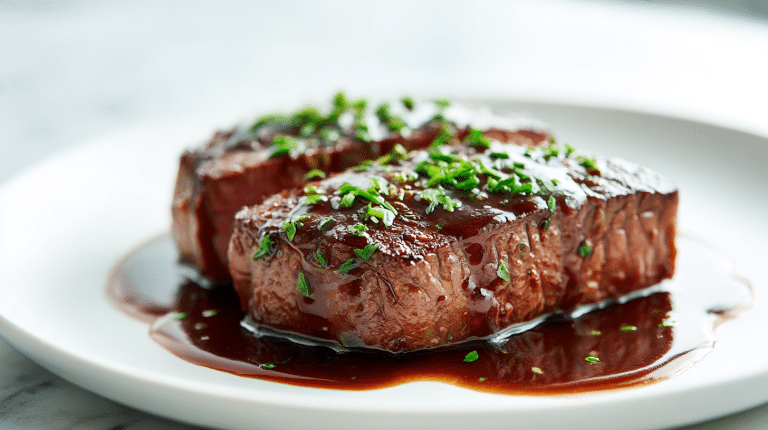
- Grilled sirloin with salsa verde: 200–250 g steak, grill at high heat 230–260°C / 450–500°F, sear 2–3 minutes per side for medium-rare, rest to 57–60°C / 135–140°F; spoon 30 g (2 tbsp) over steak.
- Pan-roasted sea bass: 150–180 g fillet, skin-side sear 3–4 minutes then finish in a 200°C / 400°F oven until internal 63°C / 145°F; serve 20–30 g salsa per portion.
- Roast chicken thighs: 2 bone-in thighs, roast at 200°C / 400°F for 30–35 minutes until 75°C / 165°F internal; use 30–40 g sauce per serving.
Tip: always rest proteins 5–10 minutes after cooking so the juices settle and the sauce doesn’t run off.
Portioning, rough nutrition, and allergy notes
Typical serving: 1–2 tbsp (15–30 g). Approximate nutrition per 2 tbsp (30 g): 80–110 kcal, 8–12 g fat (mostly monounsaturated from olive oil), 1–2 g protein, negligible carbs. Sodium varies with capers and anchovies — it can range 250–500 mg per 2 tbsp; rinse and reduce salty ingredients to lower it.
Allergy notes: contains fish (anchovy) and sometimes nuts if you’ve added them as a binder. Label accordingly. Tip: for strict low-sodium diets, make a fresh batch with rinsed capers and no added salt; taste a single spoonful to check.
Make-ahead, reheating, and plating for dinner service
Make salsa verde up to 48 hours ahead so the flavors meld — keep chilled. If frozen, thaw in the fridge and stir to reincorporate the oils. Do not reheat salsa verde; it’s a cold condiment.
For service, place in a small bowl and bring to room temperature for 10–15 minutes, then spoon over warm protein so the heat wakes the aromatics without cooking the herbs. Plate 20–30 g (one tablespoon) as a quenelle or small smear along the protein. Tip: add a tiny spoonful more for fatty cuts — the acidity cuts richness and lifts the dish.


Classic Salsa Verde
Ingredients
Equipment
Method
- Bring 1 L of salted water to a boil. Blanch parsley for 10–15 seconds, then plunge into ice water to stop cooking. Drain and squeeze out moisture.
- Add garlic and anchovies (if using) to blender; blitz to paste. Add capers and blanched herbs, pulse until chopped.
- With motor running, drizzle in olive oil slowly to emulsify. If mixture is too thick, add cold water 1 tbsp at a time until desired looseness.
- Finish with lemon juice and red wine vinegar, then taste and season with salt and pepper.
- Store in a jar topped with olive oil layer to limit oxidation; refrigerate for up to 5–7 days.
Nutrition
Notes
Love this recipe?
Give us 5 stars and comment!Video tutorial: gordon ramsay salsa verde
FAQ – gordon ramsay salsa verde
What if my salsa verde comes out too bitter?
If your salsa verde ends up tasting bitter, don’t panic! Try blending in a teaspoon of honey or a small avocado to mellow out the flavor. This little trick can save your sauce and bring it back to life.
How long can I store homemade salsa verde?
Store your salsa verde in an airtight jar topped with a layer of olive oil to reduce oxidation. It’ll stay fresh for about 5-7 days in the fridge. If you want to keep it longer, freeze it in ice cube trays!
Can I make salsa verde without a blender?
You bet! You can chop everything by hand for a rustic vibe. Just mince the herbs and ingredients finely, then mix with olive oil to bind. It takes a bit longer, but the texture is worth the effort.
Conclusion
Now you’ve got the lowdown on Gordon Ramsay salsa verde, and it’s time to unleash your inner chef! Imagine slathering this vibrant green sauce over your perfectly grilled steak, the balance of acidity and richness dancing on your palate. With the right techniques and a few laughs along the way, you’re not just cooking; you’re creating magic in your kitchen. So grab those herbs, channel your culinary fire, and make it bold. Now it’s your turn—make it bold, make it yours!