Gordon Ramsay Prawn Pilaf Recipe
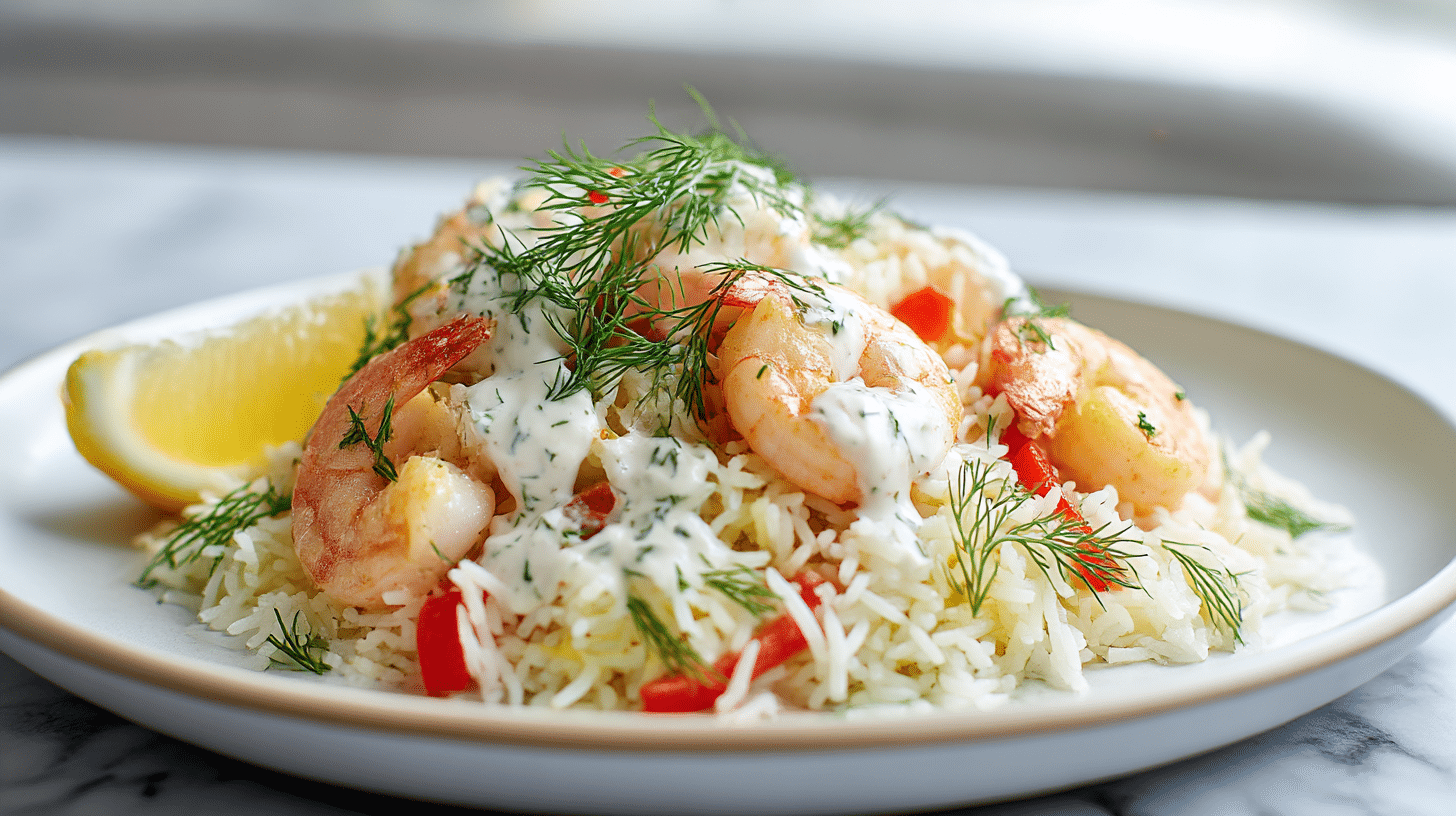
Gordon Ramsay prawn pilaf is a game changer in my kitchen. I still remember the first time I overcooked prawns, and I thought I’d ruined dinner. But then I found this recipe, and everything clicked! The combination of fresh prawns with fluffy basmati rice and aromatic veggies exploded with flavor. It’s not just about quicker cooking but nailing that balance that makes every bite sing. Trust me – once you get this right, you’ll be the hero of your own kitchen, and you won’t look back!
Recipe at a Glance – gordon ramsay prawn pilaf

Gordon Ramsay Prawn Pilaf
Ingredients
Equipment
Method
- Prepare your ingredients: chop aromatics, measure spices, and soak rice for about 30 minutes.
- Heat 2 tablespoons of olive oil in a large skillet over medium heat.
- Add onion, garlic, and red bell pepper; sauté for 5–7 minutes until soft and fragrant.
- Stir in soaked and drained basmati rice; toast for about 2 minutes.
- Add 600ml of stock, bring it to a boil, then cover and reduce heat to simmer for 15 minutes.
- In the last 5 minutes, add the fresh prawns to the rice; cook until they turn pink and opaque.
- Fluff the rice with a fork and let it rest for 5 minutes before serving.
- For added flavor, squeeze lemon juice over the dish before serving.
- Mix yogurt with fresh dill for a creamy sauce to drizzle on top.
Nutrition
Notes
Love this recipe?
Give us 5 stars and comment!Core Ingredients for Prawn Pilaf
Key Proteins
For the Gordon Ramsay prawn pilaf, fresh prawns are essential. Aim for around 400g of raw prawns; they’ll bring that juicy flavor you want without getting rubbery. Remember, size matters! Go for large, fresh prawns instead of smaller ones for a better bite.
Aromatics
Aromatic veggies are the heart of any pilaf. You’ll need 1 onion, finely chopped, 2 garlic cloves, minced, and 1 red bell pepper, diced. Sauté them well for a deep, rich base; this is where much of the flavor in your dish comes from.
Seasoning Essentials
No prawn pilaf is complete without the right seasoning. Use 1 teaspoon of cumin, 1 teaspoon of paprika, and a pinch of salt to taste. Don’t hold back on the pepper! A little freshly cracked black pepper can elevate your dish to the next level.
Rice Type
For this pilaf, the best choice is basmati rice. You’ll need about 300g—it’s fluffy, absorbs flavors well, and doesn’t get mushy. If you want to try something different, quinoa could be an option, but its texture won’t match that of the basmati.
Prep and Technique
Mise en Place
Get everything ready before you start cooking. Chop your aromatics, measure out your spices, and have your rice soaked. That way, you won’t find yourself scrambling mid-cook; being organized is key!
Knife Prep
A sharp knife is a must in the kitchen. Slice onions thinly and make sure your garlic is minced, not crushed—mincing releases more flavor. Don’t forget to check your knife skills; clean cuts lead to even cooking!
Soaking Rice
Soak your basmati rice for about 30 minutes in cold water before cooking. This helps to remove extra starch and gives you that perfect fluffy texture. Rinse it thoroughly until the water runs clear before soaking.
Heat Control
Mastering the heat is important! Start with high heat to sauté your aromatics, then reduce to medium when you add the rice. Consistency is key. Too high and you might burn your ingredients; too low, and they won’t sauté properly.
Cooking Steps
Sautéing Aromatics
In a large pan, heat 2 tablespoons of olive oil over medium heat. Add your onions, garlic, and bell pepper, and sauté for 5–7 minutes until they soften and smell fragrant. Don’t rush it—this step builds the flavor foundation.
Adding Rice and Liquid
Once your aromatics are ready, stir in the soaked, drained rice. Cook it for about 2 minutes, letting it toast slightly. Then add 600ml of chicken or vegetable stock. Bring it to a boil, cover, and reduce to a simmer for 15 minutes.
Cooking Prawns
While the rice is cooking, add the prawns during the last 5 minutes of the cooking process. They should turn pink and opaque; watch out, overcooked prawns can become rubbery! Keep an eye on them—they cook quickly!
Final Stir and Resting
Once finished, fluff the rice with a fork and let your pilaf rest for about 5 minutes before serving. This allows the flavors to blend nicely. A little patience pays off when it comes to creating the perfect pilaf.
Sauces and Reductions
Flavor Enhancement
If you’re considering a sauce, a bit of lemon juice and zest can really lift your prawn pilaf. Just squeeze half a lemon over the finished dish for a bright kick. Trust me, it makes a huge difference.
Serving Sauce
You could drizzle a simple sauce made of yogurt and fresh dill for added creaminess. Mix about 100g of yogurt with 2 tablespoons of dill; it’s refreshing and pairs nicely with the spices.
Garnishing Ideas
For garnishing, use fresh herbs like cilantro or parsley. A sprinkle of toasted slivered almonds adds a nice crunch. A few sliced chilies can bring color and extra heat—presenting your dish beautifully makes a lasting impression!
Variations and Adjustments
Seafood Mix-Ins
Want to mix things up? Toss in some scallops or squid along with your prawns. Just make sure they’re all roughly the same size for even cooking. This can add a richer, seafood flavor to your prawn pilaf.
Spicy Additions
If you enjoy a bit of heat, add 1 chopped chili (or more, if you’re brave!) when you sauté the aromatics. You can also sprinkle some cayenne pepper or a dash of hot sauce at the end to give it that extra kick.
Herb Variations
Experiment with different herbs like mint or tarragon for a unique flavor twist. Chop them finely and stir them in right before serving—fresh herb flavor is unbeatable!
Rice Alternatives
Feeling adventurous? You can try jasmine rice or even quinoa for a healthier twist. Cooking times may differ, so check the package instructions. Just remember, not all grains absorb flavors the same way.
Troubleshooting
Sticky Rice Issues
If your rice turns out sticky, you might have added too much water or not rinsed the starch off properly. Next time, try cutting the liquid by about 10% and remember to rinse thoroughly before soaking.
Overcooking Prawns
Overcooked prawns turn rubbery—and nobody wants that! Next time, aim to remove them as soon as they turn pink. If they do overcook, toss them into a spicy sauce to mask the texture.
Lack of Flavor
If your pilaf isn’t flavorful enough, don’t hold back on the seasoning. Take tastes as you cook and adjust as needed; sometimes, it just needs a bit more salt or spice to come alive.
Texture Problems
If your pilaf isn’t fluffy, it could be due to overcooking or not letting it rest. Make sure to stick to the cooking times and allow it to rest covered for the best texture. A little patience pays off!

Step-by-Step Video: Tiger Prawn Pilau | The F Word
FAQ – gordon ramsay prawn pilaf
How do I prevent sticky rice?
Rinse the rice under cold water until it runs clear and soak for 30 minutes before cooking.
What is the best way to cook the prawns?
Sauté the prawns at high heat for 2-3 minutes until pink and opaque, careful not to overcook.
Can I use other seafood?
Yes, mix in squid or scallops for added texture and flavor; adjust cooking time accordingly.
How do I add spice to the dish?
Include chili flakes or fresh chilies during the sautéing process for a heat kick.
Before you start cooking…
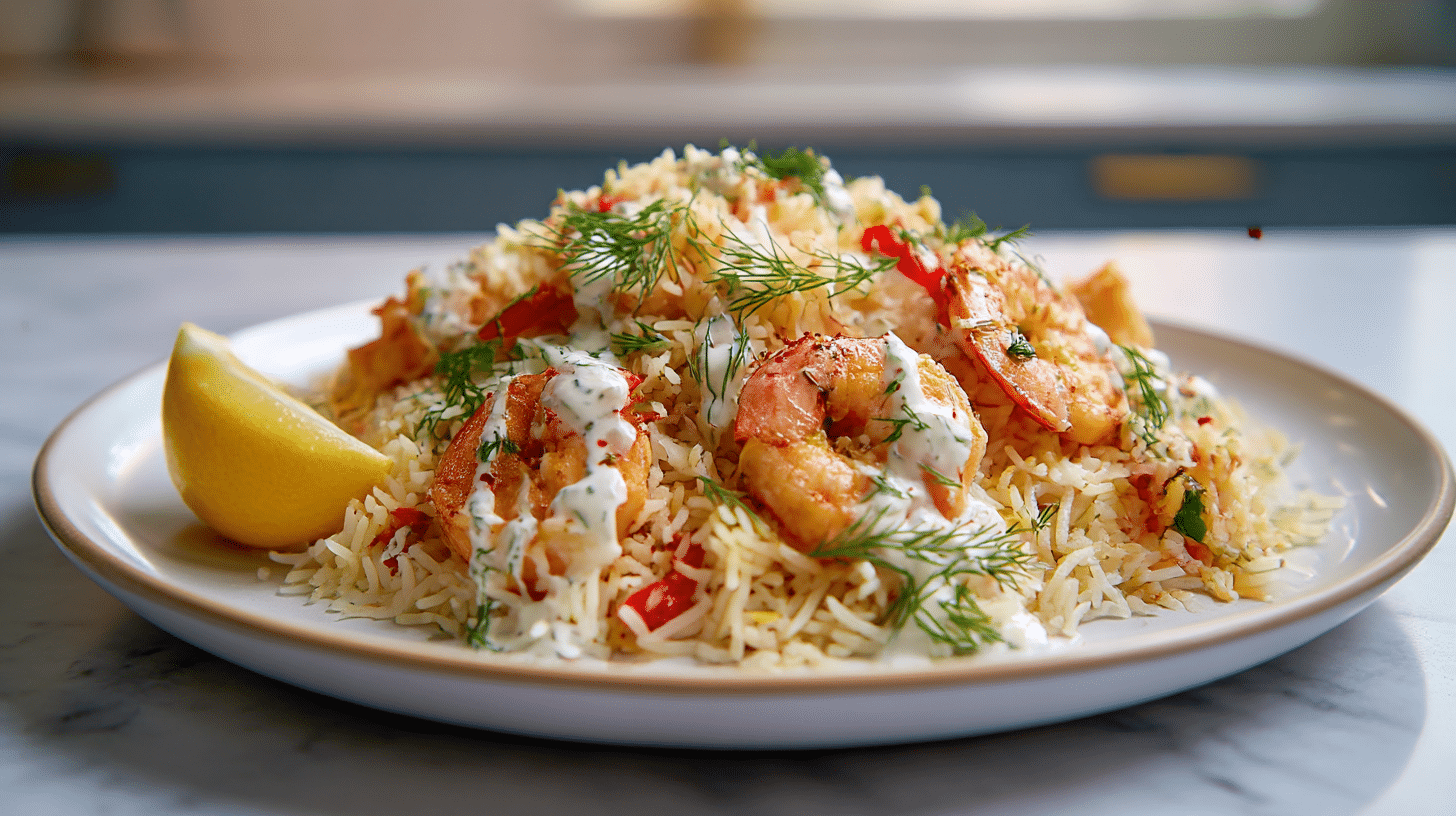
Finally getting the Gordon Ramsay prawn pilaf right feels like conquering Everest. The aroma of sautéed vegetables floats through the air, the rice is perfectly fluffy, and the prawns glisten like jewels. Each spoonful brings a beautiful balance of flavours—it’s comforting yet exciting. When you unveil that gorgeous dish, you’ll be beaming with pride because you did it! Now it’s your turn—make it bold, make it yours.