Gordon Ramsay BBQ Salmon Recipe
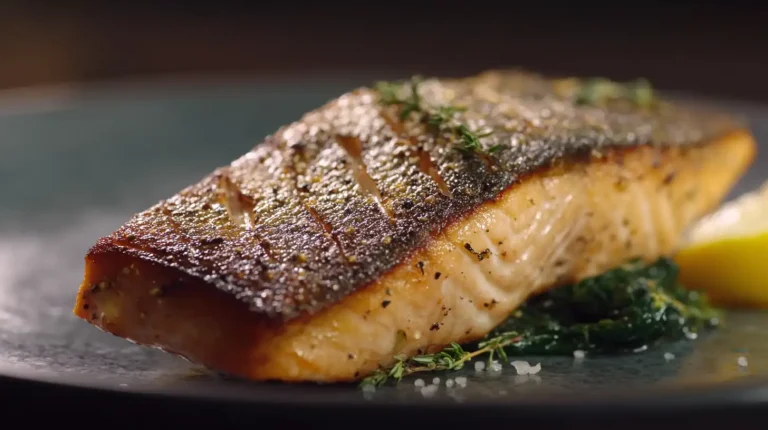
Gordon Ramsay BBQ salmon is a game changer. I used to fumble around with overcooked fish and questionable flavor until I discovered the true art of grilling salmon. This recipe will elevate your backyard barbecue, saving you from a dry dinner and giving you the confidence to impress your friends and family with succulent fillets that sing with flavor. The sizzle, the aroma, the golden crisp skin — it all comes together to create a dish that screams summer. Get ready to roll up your sleeves and fire up that grill; it’s time to unleash some culinary magic!

Ingredients and exact prep for a gordon ramsay bbq salmon–style fillet
Choosing the salmon and portion sizes
Pick firm, bright salmon with moist skin and no off smell. For four people use four skin-on fillets about 170–200 g (6–7 oz) each — roughly 680–800 g total. Skin-on keeps the fish together on the grill and crisps up nicely; if you must use skinless, handle gently and expect more sticking.
Check for pin bones by running your fingers along the flesh and remove any with tweezers or small pliers. Thickness matters more than surface area: a 2–3 cm (¾–1¼ in) thick fillet cooks most evenly. If a fillet is uneven, score the thicker end or butterfly it to even the thickness.
Tip: bring fish to room temperature for 15–20 minutes before grilling so it cooks evenly and won’t seize up on the hot grate.
Exact marinade/rub quantities and how long to marinate
For four 170–200 g fillets: 30 ml (2 tbsp) olive oil, 15 g (1 tbsp) Dijon mustard, 20 g (1 tbsp) runny honey, zest of 1 lemon, 30 ml (2 tbsp) lemon juice, 2 garlic cloves minced (≈6 g), 1 tsp smoked paprika (2 g), ¾ tsp fine sea salt (4.5 g), ½ tsp black pepper (1 g). Whisk together and smear lightly over the flesh — don’t soak the fish. Marinate 15–30 minutes max; acid will start to break down the flesh if you leave it too long.
For a dry rub alternative mix: 1 tsp sea salt, ½ tsp black pepper, 1 tsp smoked paprika, ½ tsp brown sugar. Pat this on about 10 minutes before grilling. I usually leave the skin bare or only lightly oiled so it crisps up.
Tip: concentrate the seasoning on the flesh and keep the skin as dry as possible for a better sear.
Bring-to-temp, drying, and prepping the skin
Pat fillets dry with paper towels before the heat — moisture is the enemy of a crisp skin. If you marinated, blot away excess marinade from the skin side so it won’t stick. Lightly oil the skin with 5 ml (1 tsp) neutral oil and season with a pinch of salt.
Let the fillets rest at room temperature 15–20 minutes; thinner pieces need about 10 minutes. For extra-crispy skin, leave them uncovered in the fridge for 30–60 minutes to dry the surface, but skip this if you’ve heavily marinated the fish.
Chef’s note: room temp plus dry skin gives a reliable sear and less sticking.
Setting up your grill and exact temperatures for BBQ salmon
Direct vs indirect heat and the exact grill temps
For gordon ramsay bbq salmon-style results, preheat the grill to a surface temperature of 200–230°C (400–450°F) for direct searing. Have an indirect zone at 160–180°C (320–355°F) to finish thicker fillets without burning the exterior. On gas grills light one side for searing and leave the other off for indirect heat.
On charcoal bank coals to one side and keep a cooler zone. Sear skin-side first on the hot side for 3–4 minutes, then move to indirect heat to finish. Target internal temps: 50–52°C (122–125°F) for medium-rare, 57°C (135°F) for medium, and 63°C (145°F) if you want the fish well done per USDA guidance.
Safety note: if you’re serving vulnerable guests, aim for 63°C (145°F).
Prepping the grate and weaponry against sticking
Clean, hot grates are non-negotiable. Scrape with a stiff brush, then oil the bars by dipping a folded paper towel in high-smoke-point oil (grapeseed, canola) and rubbing it across the grate with tongs. Do this just before placing the fish.
Alternatively, use a fish basket or a 20×30 cm (8×12 in) piece of heavy-duty foil with holes punched so heat gets through but the fish doesn’t sit directly on the bars. Never move the fish in the first 2–3 minutes; it will release when the crust has formed.
Tip: use a thin, wide spatula and lift gently from the head end when flipping.
Cedar planks, smoke flavours and soak times
Cedar planks add a mild smoky perfume and protect the fish from direct flames. Soak the plank in water for 1–2 hours (minimum 30 minutes) so it doesn’t catch fire. Heat the grill to 180–200°C (355–400°F), place the plank on the hottest area until it starts to smoke (about 2–3 minutes), then set the salmon on top and close the lid.
Cook on the plank 10–15 minutes depending on thickness. For extra smoke, add a small handful of soaked wood chips to the coals or use a smoker box. If you want a quick refresher on salmon as an ingredient, see bbq salmon background and uses.
Pro tip: place the fillet flesh-side down on the plank to keep the skin intact and to concentrate smoky flavour.
Step-by-step grilling method — sear, finish, and serve
Hot sear and flip technique with exact timings
Start on a very hot grate: 200–230°C (400–450°F). Place fillets skin-side down and press gently for the first 10 seconds so the skin makes full contact. For 2–3 cm thick fillets sear skin-side 3–4 minutes until the flesh turns opaque about two-thirds of the way up the side.
Flip once with a thin spatula and sear the flesh 30–60 seconds to get a little colour. If your fillets are thinner (1.5–2 cm), cut the sear time by 30–60 seconds. After the flip check the temperature: 40–45°C (104–113°F) then move to indirect heat to finish.
Tip: flipping too early tears the skin; flip only once and be confident.
Finishing on indirect heat and hit core temp targets
After the initial sear, move fillets to indirect heat at 160–180°C (320–355°F) or to the cooler side of the grill. Finish for 3–6 minutes depending on thickness and check the internal temperature at the thickest point. Target 50–52°C (122–125°F) for a slightly translucent centre or 63°C (145°F) for fully cooked fish.
Keep the lid closed to maintain even heat. If you’re glazing with honey or miso, brush the glaze on in the last 60–90 seconds to prevent burning the sugars. I always trust the thermometer more than a watch — cook to temp, not time.
Chef’s note: every grill and fillet is different, so keep an eye on the thermometer.
Resting, finishing butter and acid for balance
Once off the grill, rest salmon 3–5 minutes; residual heat will carry the temperature up 1–2°C. Finish with a cold knob of herb butter (10–15 g per fillet) or a quick spoonful of olive oil and lemon juice to brighten the flavours. For a glossy finish whisk 15 g softened butter with 1 tsp chopped parsley and a pinch of lemon zest and smear it over hot fillets.
For a sharp counterpoint scatter 1 tbsp capers or squeeze fresh lemon over each piece. Never pour a heavy sauce over piping hot salmon — it will dilute the sear. Spoon carefully or serve the sauce on the side so the texture stays right.
Tip: rest, then finish lightly to keep the crust and bright flavours.
Oven, stovetop and air-fryer alternatives — which to choose
Oven roast/broil method with times and temps
Preheat the oven to 200°C (400°F) for roasting, or set the broiler to high for a quick char. For a 2–3 cm fillet roast on a lined tray for 10–12 minutes at 200°C to reach 50–52°C for medium-rare. Roast 12–15 minutes if you want 63°C (145°F).
For broiling place the tray 8–10 cm (3–4 in) from the element and broil 3–4 minutes per side, watching closely so you don’t char the fish. If you use convection, reduce the temperature by 10–15°C as it cooks faster and more evenly.
Practical note: the oven is reliable when the weather is bad or you’re cooking indoors — you’ll lose some smoky char but keep precise control over temperature.
Stovetop pan-sear then oven finish (the skillet shortcut)
Heat a heavy skillet (cast iron works best) on medium-high and add 10–15 ml (2–3 tsp) oil. Sear skin-side 4–5 minutes until crisp, flip and sear the flesh 30–60 seconds, then transfer the skillet to a 180°C (350°F) oven for 4–6 minutes to finish for 2–3 cm fillets. Baste during searing with 10 g butter and a smashed garlic clove for extra flavour.
This method gives a grill-like crust and is quick and dependable. Don’t crowd the pan or the crust will steam instead of sear. Use a metal spatula for skin-on fish and a hot pan.
Tip: hot pan, single layer, and confidence when flipping make the difference.
Air fryer timings and what to expect
Preheat the air fryer to 180°C (360°F). Lightly oil and season fillets and cook flesh-side down for 7–10 minutes, depending on thickness. To get a crisper skin start at 200°C (400°F) for 3 minutes then drop to 180°C (360°F) for the remainder.
Space the fillets so air circulates — don’t stack. The air fryer gives very even cooking but won’t give the smoky char of a grill. Finish with lemon and herb butter to mimic the richness you’d get from a barbecue.
Practical comparison: grill > pan > oven > air fryer for smokiness; pick what fits your equipment and time.
Common mistakes, quick troubleshooting and chef-approved fixes
My fish stuck to the grate — how to rescue and prevent it
If your fillet sticks, don’t rip it off — that tears the skin. Use a thin, wide spatula and gently work it under the fish, loosening it bit by bit. If it’s badly stuck, heat will release it; give it another 30 seconds and try again.
To prevent sticking, preheat and oil the grate, dry the skin, and press down for the first 10 seconds so the skin makes full contact. Don’t flip too soon. A fish basket or foil with holes helps for very delicate fillets.
Tip: a proper pre-heated metal surface and dry skin mean far fewer sticking disasters.
Overcooked or dry salmon — rescue tactics
If the salmon is dry, don’t hide it — transform it. Flake the fish and make a quick salad with mayonnaise, lemon, capers and herbs, or turn it into fishcakes. You can also warm flakes gently in a sauce — tomato-based, beurre blanc, or a miso glaze — to rehydrate the flesh.
To prevent dryness, pull the fillet at 50–52°C (122–125°F) and let it rest; carryover heat will finish it. I prefer to err on slightly underdone rather than overcooked, because it’s easier to finish than to rescue.
Chef’s blunt truth: slightly underdone is easier to fix than dry fish.
Burnt glaze or flare-ups — damage control
Sugary glazes like honey or maple burn fast. Add glazes in the last 60–90 seconds of cooking or finish on indirect heat. If a flare-up chars the skin, move the fillet to indirect heat and brush with a little oil to stop further burning.
If the char is severe scrape away the very blackened parts, then top with a bright acidic garnish such as lemon or salsa verde to cut the bitterness. Keep a spray bottle of water for small flare-ups and a shaded zone to move food to — controlling flames saves meals.
Practical fix: short, controlled spray and a cooler area to finish will usually save the dish.
Variations, nutrition and serving ideas for gordon ramsay bbq salmon
Three flavour variations and quick swaps
- Miso-maple glaze: 2 tbsp white miso, 1 tbsp maple syrup, 1 tsp soy; brush in the last 60 seconds.
- Citrus-herb: lemon zest + juice, 1 tbsp chopped parsley, 1 tsp dill, 15 ml olive oil and garlic; finish with extra lemon.
- Spicy chipotle: 1 tbsp chipotle in adobo minced, 1 tbsp honey, 1 tsp lime — pairs well with charred corn.
Swap mustard for miso, honey for maple, or lemon for lime depending on what you have. For a no-sugar option replace sweet components with extra citrus and smoked paprika. Apply high-sugar sauces late in the cook and use acid or herb finishes any time.
Chef’s note: small swaps change the profile, so taste as you go and keep it simple.
Nutrition, portion guidance and health benefits (approximate)
A cooked 150 g portion of Atlantic salmon provides roughly 280 kcal, 34 g protein and 16 g fat (about 2 g omega-3 EPA/DHA combined). Freshwater varieties differ slightly. Salmon is a good source of complete protein and omega-3s that support heart and brain health.
Calories and fat rise if you add lots of butter or sugary glazes — count about 50–100 kcal extra per tablespoon of sauce. For balanced meals aim for 120–170 g cooked fillet per person with a vegetable and a moderate starch.
Nutrition caveat: values are approximate — check packaging or use a nutrition calculator for exact figures.
Serving plates, sides and presentation (2–3 real-world suggestions)
- Classic: grilled salmon with charred asparagus, lemon-roasted new potatoes and parsley butter. Finish with a lemon wedge and a few capers.
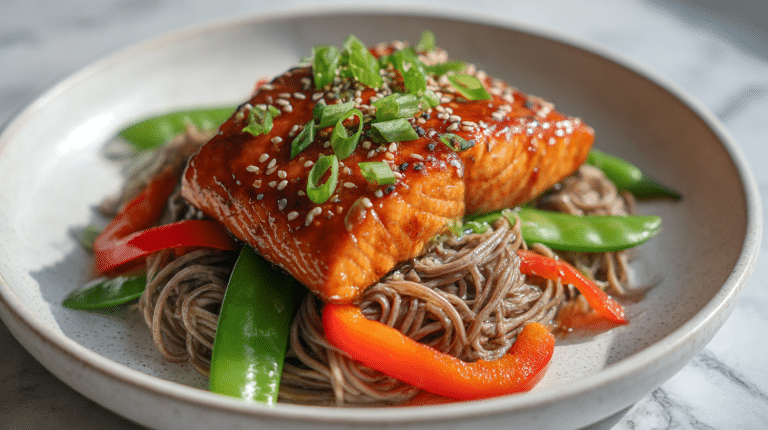
- Asian twist: miso-maple salmon on steamed jasmine rice with quick-pickled cucumber and blistered bok choy; scatter toasted sesame and spring onion.
- Light summer: flake salmon over a chilled salad of arugula, roasted corn, cherry tomatoes and avocado with lime vinaigrette; serve with crusty sourdough.
Plating tip: serve the salmon skin-side down for a clean look, spoon a little finishing oil or melted butter across the flesh, and add a bright acid (lemon or lime) to cut the richness.


Gordon Ramsay BBQ Salmon-Style Fillet
Ingredients
Equipment
Method
- Choose firm, bright salmon fillets with skin on, around 170–200 g each, for even grilling.
- Whisk together olive oil, Dijon mustard, honey, lemon zest, lemon juice, minced garlic, smoked paprika, salt, and pepper. Coat the salmon lightly and marinate for 15–30 minutes.
- Pat the fillets dry with paper towels and lightly oil the skin with neutral oil. Let rest at room temperature for 15–20 minutes.
- Preheat the grill to 200–230°C (400–450°F) for direct searing, with an indirect zone at 160–180°C (320–355°F).
- Sear skin-side down for 3–4 minutes until the flesh turns opaque two-thirds up the side. Flip and sear flesh-side for 30–60 seconds.
- Move to indirect heat to finish cooking for 3–6 minutes, checking internal temperature: aim for 50–52°C (122–125°F) for medium-rare.
- Rest the salmon for 3–5 minutes after grilling. Serve with herb butter or a squeeze of lemon, and garnish with capers.
Nutrition
Notes
Love this recipe?
Give us 5 stars and comment!Video tutorial: gordon ramsay bbq salmon
FAQ – gordon ramsay bbq salmon
1. How do I prevent my salmon from sticking to the grill?
To avoid sticky situations, preheat your grill and oil the grates just before grilling. Also, pat your fillets dry and press them down for the first 10 seconds after placing them on the grill. This forms a nice crust and reduces sticking.
2. What’s the best way to tell when my salmon is done?
The best method is using an instant-read thermometer. Aim for 50–52°C (122–125°F) for medium-rare and 63°C (145°F) for well-done. Remember to rest it for a few minutes — residual heat will bump it up a degree or two!
3. Can I grill salmon without skin?
Yes, but skin-on is recommended for better flavor and to keep the fish intact on the grill. If using skinless salmon, handle it gently and consider using a fish basket or foil to prevent sticking.
Conclusion
Grilling Gordon Ramsay BBQ salmon is not just about cooking; it’s about the experience. The moment that perfectly crisp skin follows your knife, unleashing rich, smoky flavors, you’ll know you’ve hit culinary gold. Whether it’s a dinner party or a quiet night in, nailing this dish means you’ve conquered the grill. So, dig in, savor those flavors, and bask in your cooking glory. Now it’s your turn — make it bold, make it yours.