Gordon Ramsay Prawn Pasta Recipe
Gordon Ramsay prawn pasta isn’t just a dish; it’s a revelation. There was a time I thought overcooked, chewy prawns were the norm—until I discovered the art of quick searing and creamy indulgence. This recipe is all about glorious flavor without the hassle. I guarantee, with the right techniques, you can whip up a restaurant-quality meal that’ll have your friends wondering if you’ve been secretly training under Ramsay himself. Get ready to elevate your kitchen game with minimal prep and maximum taste!
Recipe at a Glance – gordon ramsay prawn pasta
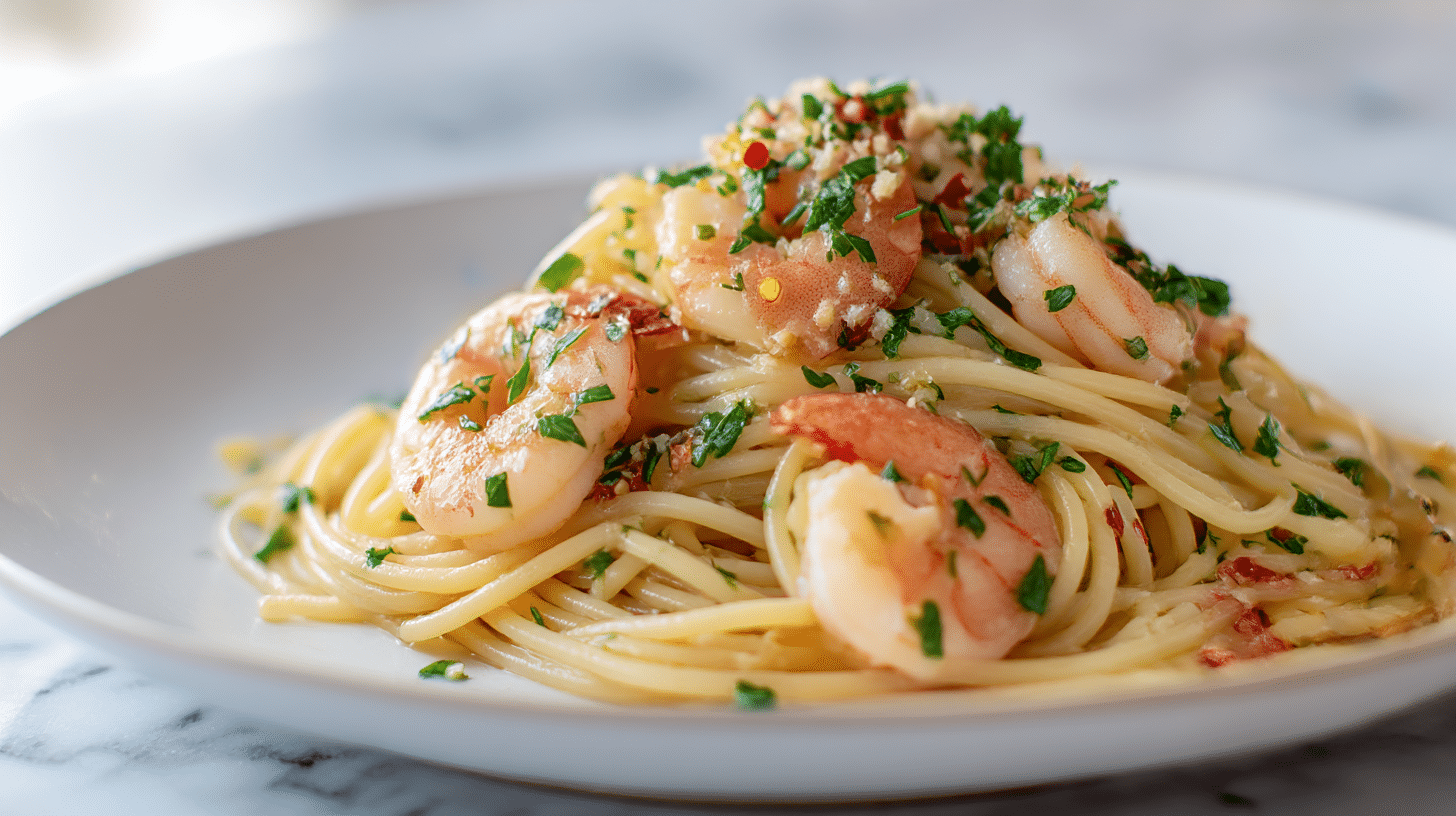

Gordon Ramsay Prawn Pasta
Ingredients
Equipment
Method
- Chop all ingredients: prawns, garlic, shallot, and parsley. This mise en place will keep you organized.
- Heat a skillet on high and add oil. Sear prawns for 2–3 minutes per side until pink and opaque.
- Bring a large pot of salted water to a boil. Cook pasta (spaghetti or linguine) for 8–10 minutes until al dente. Save a cup of pasta water.
- In the same skillet, add white wine over medium heat and reduce by half. Slowly add cream and stir to emulsify.
- When pasta is ready, add it to the sauce while hot. Reintroduce prawns to warm them up before mixing.
- Deglaze the skillet with a splash of white wine, then slowly incorporate cream for a rich sauce.
- Taste and adjust seasoning. Add more chili or salt as desired, and a squeeze of lemon juice for brightness.
- If desired, toss in spinach or peas during the last few minutes of cooking for added greens.
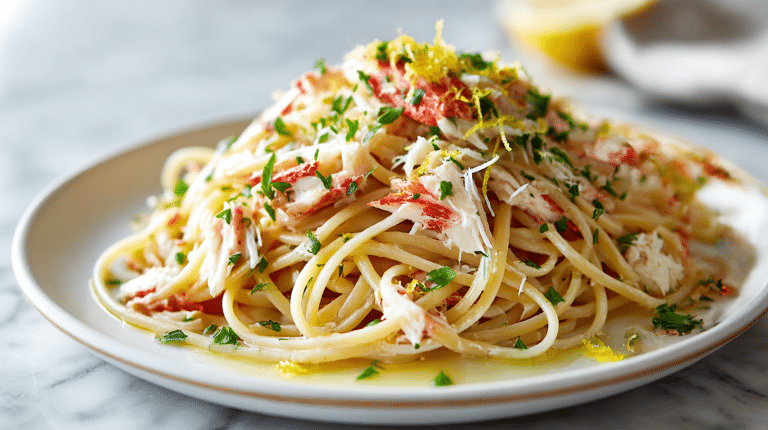
- Plate the pasta, twirling it elegantly, and fan the prawns on top. Garnish with microgreens or edible flowers for a fancy touch.
Nutrition
Notes
Love this recipe?
Give us 5 stars and comment!Essential Components for Prawn Pasta
Key Proteins: Prawns
The star of the show in Gordon Ramsay prawn pasta is, of course, the prawns. Look for fresh, large prawns (around 600g), preferably with shells for better flavor. If you’re in a hurry, frozen prawns will work, but make sure to thaw them properly for an even cook. Always opt for prawns with a pink hue; that’s a clear sign they’re ready to shine in your dish.
Aromatics: Garlic and Shallots
Garlic and shallots are key players here. You’ll need about 3–4 cloves of garlic and 1 shallot, finely chopped. These ingredients add a rich depth to your sauce. Don’t skip the shallots—they provide a subtle sweetness that balances the dish beautifully.
Seasoning Essentials: Chili Flakes and Parsley
For that kick of flavor, grab your chili flakes (½ tsp) and a handful of chopped parsley. The chili offers a nice heat, but feel free to adjust it to your liking. Fresh parsley adds color and a pop of freshness—stick with fresh, not dried, unless it’s your only choice!
Sauce Base: White Wine and Cream
The foundation of the sauce is a mix of 150ml white wine and 200ml heavy cream. Choose a white you enjoy drinking—nothing overly sweet! To get that rich but light texture, let the mixture simmer until it thickens slightly. This will set the stage perfectly for your prawns and pasta.
Preparation Techniques
Mise en Place: Chop Ingredients
Before the cooking chaos begins, do your mise en place. Chop all your ingredients: prawns, garlic, shallots, and herbs. Getting organized saves time and helps you stay focused. Trust me, you don’t want to scramble for ingredients while your pasta’s boiling.
Searing Prawns: Timing and Heat
Heat your pan to high, then add oil. Sear your prawns for 2–3 minutes per side until they’re pink and opaque. Avoid overcooking them—they’ll turn rubbery if you do, and that would ruin your dish. If they start curling, they’re nearly done!
Cooking Pasta: Al Dente Method
Bring a large pot of salted water to boil. Cook your pasta (like spaghetti or linguine) for about 8–10 minutes until it’s al dente. Keep in mind, it’ll keep cooking once you toss it with the sauce. Save a cup of pasta water; it’s essential for helping everything stick together later.
Sauce Preparation: Reduce and Emulsify
In the same pan you cooked the prawns, add your white wine over medium heat. Reduce by half—this concentrates the flavor. Then slowly incorporate the cream, stirring to blend the sauce. Just make sure it’s simmering, not boiling—find that nice balance!
The Cooking Process
Timing for Prawns and Pasta
When your pasta’s al dente, timing is key. Add it to your sauce while it’s still hot. Right before mixing, toss the prawns back in to warm them up. This way, everything stays at that perfect temperature.
Deglazing with White Wine
After removing the prawns, add a splash of white wine to deglaze the pan. Scrape up those tasty bits for extra flavor. This step is important—no food should go to waste. It’ll enhance your sauce significantly!
Incorporating Cream for Sauce
Once the wine’s reduced and you have all those amazing flavors in your pan, let the cream join the mix. Stir it in slowly and watch your sauce become rich and creamy. This will give your pasta a satisfying coat.
Final Seasoning and Adjustments
Taste and adjust your seasoning. Add more chili or salt to suit your preference. For a little brightness, squeeze in some lemon juice. Those small adjustments can elevate a simple dish into something special.
Creative Twists on the Classic
Adding Vegetables: Spinach or Peas
Want to sneak in some greens? Toss in 100g spinach or peas during the last few minutes of cooking. They’ll wilt quickly and add color. Plus, you’ll feel great about including veggies while enjoying your pasta!
Spice Adjustments: More Heat or Herbs
Depending on how spicy you like it, feel free to adjust the chili flakes. Or, if you seek a different flavor, think about adding fresh herbs like basil or thyme for a twist. Experimenting lets you make this dish uniquely yours.
Protein Swaps: Fish or Chicken
Not in the prawn mood? Swap in salmon or chicken for a different texture. Just make sure to adjust the cooking times—fish cooks faster, while chicken needs to reach 75°C (165°F) internally.
Plating Ideas: Presentation Techniques
Presentation matters, folks! Twirl the pasta onto your plate like a pro and fan the prawns on top. If you’re feeling fancy, a sprinkle of microgreens or edible flowers can make your dish look restaurant-worthy.
Common Issues and Their Fixes
Overcooked Prawns: Signs and Solutions
If your prawns are rubbery and tough, it means you’ve overcooked them. Next time, set a timer for 2–3 minutes per side. Nobody wants to bite into rubbery prawns at dinner!
Sauce Too Thin: Thickening Techniques
If your sauce is a bit runny, don’t worry. Add a splash more cream and let it reduce a bit longer. You can also mix a small amount of cornstarch with water and stir that in—just let it simmer a bit longer to thicken up.
Flavor Issues: Balancing Salt and Spice
If something tastes off, don’t hesitate to adjust it. Try adding more salt, lemon juice, or even a dash of vinegar for acidity. Sometimes, a pinch of sugar can bring everything into harmony. Taste as you go—this is your chance to shine!
Pasta Stickiness: Preventing Clumping
If your pasta is sticking together, it might be due to not enough water or not stirring frequently. Always cook in plenty of salted water and stir well during the first couple of minutes. A drizzle of olive oil can also help keep it from clumping!

Step-by-Step Video: Gordon Ramsay’s SHRIMP SCAMPI Recipe
FAQ – gordon ramsay prawn pasta
How do I cook the prawns?
Sear them in a hot pan with oil for 2-3 minutes until pink and opaque.
What pasta works best?
Use spaghetti or linguine for ideal texture and sauce adherence.
Can I make it ahead?
Yes, prepare the sauce in advance and combine with cooked pasta before serving.
How do I store leftovers?
Refrigerate in an airtight container for up to 2 days. Reheat gently.
Before you start cooking…
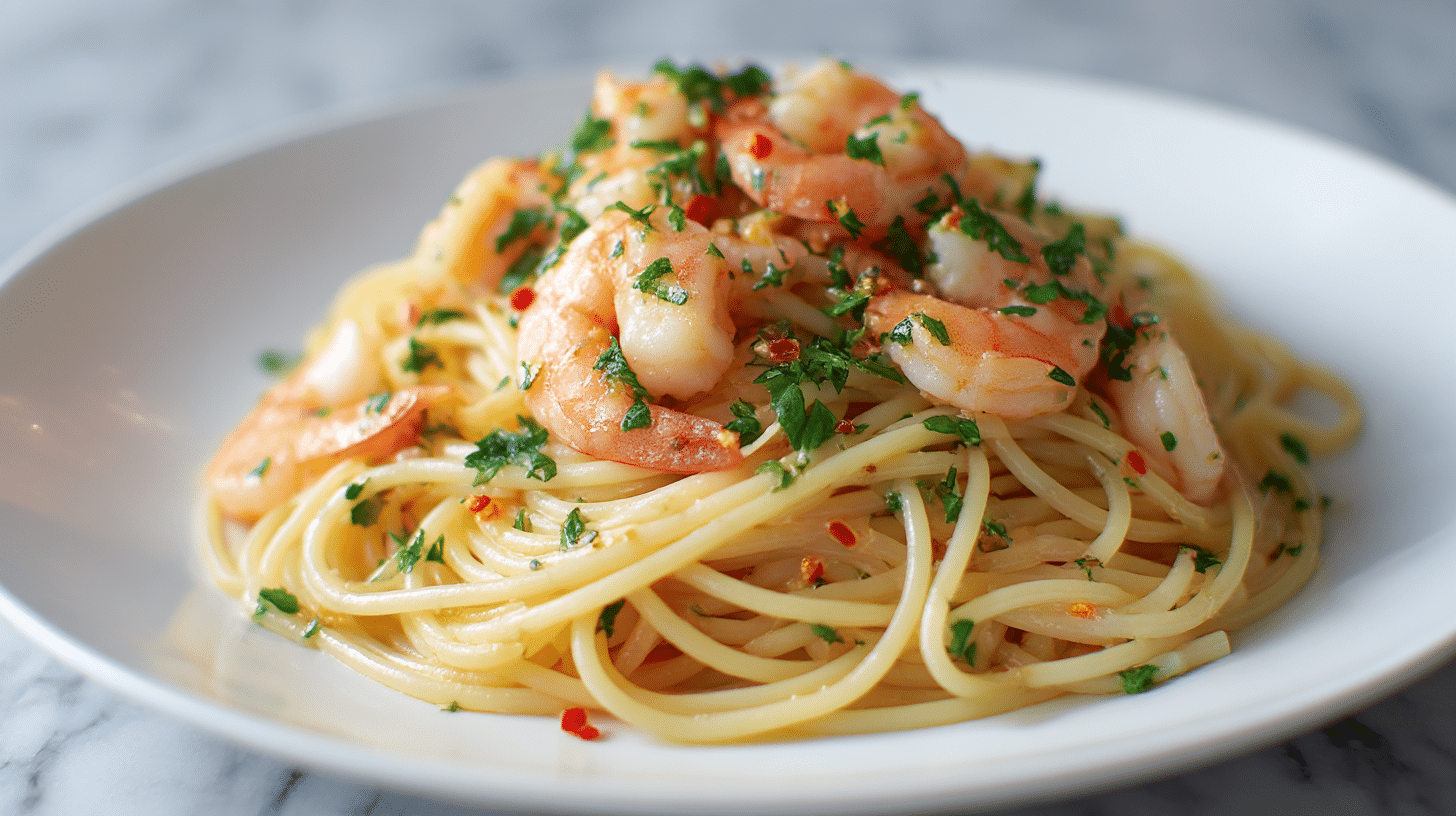
And there you have it! With every bite of your Gordon Ramsay prawn pasta, you’ll taste the triumph of perfectly cooked prawns nestled in a rich, creamy sauce that sings with flavor. The colors, the aromas—it’s like a party in your mouth, and you’ve got the guest list down to a T. Each forkful is a reminder of all the times you almost gave up in the kitchen. But guess what? You’ve smashed it this time! Now it’s your turn—make it bold, make it yours.