Gordon Ramsay French Toast Recipe: The #1 Secret to a Crispy ‘Crème Brûlée’ Crust
Forget every limp, soggy, eggy piece of bread you’ve ever called French toast. A true Gordon Ramsay French toast recipe is a different beast entirely. It’s a masterpiece of texture—a rich, custardy, almost pudding-like center encased in a shatteringly crisp, caramelized crust. For years, my attempts were a disaster. I followed the standard advice to “soak the bread,” and I ended up with a sad, soggy mess that fell apart in the pan.
I’m Dunning Claire. I got tired of the soggy failures. I went back to the source, studying every masterclass, from his rustic “eggy bread” cooked over a fire to his refined dessert versions. I realized the secret system is twofold: a fanatical opposition to over-soaking, and a final, non-negotiable step that creates an incredible crust. This is the definitive guide to the authentic Gordon Ramsay French toast recipe.
The Method: The Unbreakable Laws of French Toast
An authentic Gordon Ramsay French toast recipe is not about how long you soak it; it’s about how you build layers of texture and flavor with precision. These laws are the difference between a sad, eggy breakfast and a restaurant-quality showstopper.
- The Bread is Law: The foundation of a great Gordon Ramsay French toast recipe is the bread. You must use thick-cut slices of a rich, sturdy bread, preferably day-old brioche. The thickness allows it to absorb the custard without becoming structurally compromised. Day-old bread is slightly drier and can absorb more custard without turning to mush. Using thin, flimsy sandwich bread is a recipe for disaster.
- The “Quick Dip” (The Anti-Soggy Law): This is the most critical and counter-intuitive law. You do not soak the bread. Ramsay is adamant about this. It’s a quick dip—in and out. As he says, “If you soak it in there too long, it gets too soggy, you’ll never get it crispy.” The goal is for the bread to absorb just enough custard to become creamy on the inside, while the outside remains dry enough to form a perfect crust.
- The Rich Custard: This isn’t just egg and milk. A proper Gordon Ramsay French toast recipe uses a rich custard base. This means heavy cream instead of milk, extra egg yolks for richness, and aromatics like vanilla, cinnamon, or orange zest. This creates a flavor profile that is closer to a fine dessert than a simple breakfast.
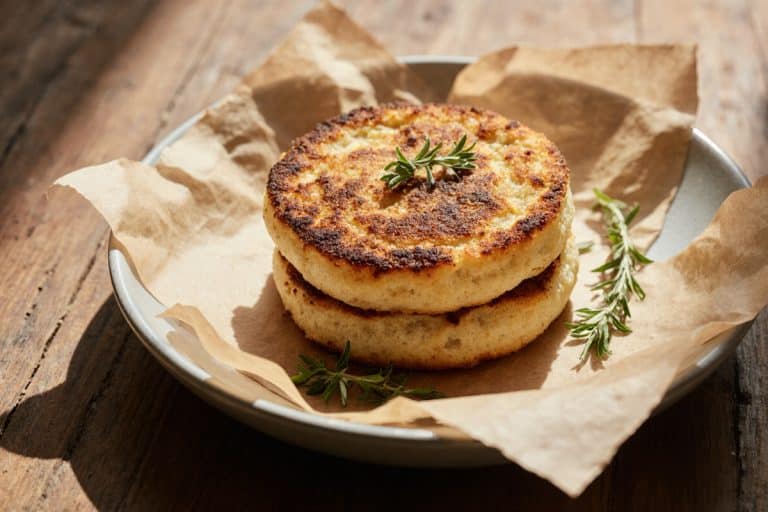
- The Crème Brûlée Crust (The Signature Technique): This is the secret that elevates the dish to another level. After the French toast is perfectly pan-fried to a golden brown, it undergoes a second cooking stage. You sprinkle the surface with a thin, even layer of sugar and then use a kitchen blowtorch (or a hot broiler) to caramelize it. This creates a thin, glassy, shatteringly crisp crust, exactly like a crème brûlée. This is the non-negotiable finishing touch of a true Gordon Ramsay French toast recipe.
Mistake Watchouts: I Made a Soggy Mess So You Don’t Have To
My first attempts at this Gordon Ramsay French toast recipe were a complete failure of texture. I followed the conventional wisdom of “soaking” the bread, and I ended up with a pan full of bread mush that was impossible to flip. It was a soggy, eggy disaster.
- The Mistake: I Soaked the Bread. I let the bread sit in the custard, thinking more soaking meant more flavor. I was wrong. The bread became oversaturated and lost all its structural integrity. It was a soggy mess that steamed in the pan instead of frying.
- The Fix: Trust the “Quick Dip” method. In and out. That’s it. The thick brioche will absorb plenty of custard in that short time. This is the single most important step in preventing the failure of a Gordon Ramsay French toast recipe.
- The Mistake: A Pale, Soft Crust. I pan-fried the toast, and it looked fine, but it lacked that signature crunch. It was soft and a bit limp.
- The Fix: Master the Crème Brûlée Crust. The second cooking stage of caramelizing sugar on the surface is not optional. It is the technique that provides the incredible textural contrast that defines this dish. This is what makes a Gordon Ramsay French toast recipe a true showstopper.
The Recipe: Gordon Ramsay’s Perfect Crème Brûlée French Toast


Gordon Ramsay’s Perfect Crème Brûlée French Toast
Ingredients
Equipment
Method
- Make the Custard: In a shallow dish (like a pie plate), whisk together the whole eggs, egg yolks, heavy cream, 1 tbsp sugar, vanilla, and cinnamon until fully combined and smooth.
- The Quick Dip: Working one slice at a time, take a piece of thick-cut brioche and quickly dip it into the custard on both sides. Do not let it soak. A fast ‘in-and-out’ is all you need. Let any excess custard drip back into the dish.
- Pan-Fry: Melt butter in a large non-stick skillet over medium heat. Once it’s foaming, carefully place the dipped bread in the pan. Cook for 2-3 minutes per side, until deeply golden brown and the custard is set.
- Create the Crème Brûlée Crust: Remove the cooked French toast from the pan and place it on a heatproof surface or baking sheet. Sprinkle the top of each slice with a thin, even layer of granulated sugar.
- Caramelize: Using a kitchen blowtorch, carefully heat the sugar until it melts, bubbles, and caramelizes into a hard, glassy, amber-colored crust. (Alternatively, place under a hot broiler for 1-2 minutes, watching constantly as it can burn in seconds).
- Serve Immediately: Serve the hot French toast immediately, caramelized-side up. Top with fresh berries, a dusting of powdered sugar, and maple syrup on the side.
Nutrition
Notes
Love this recipe?
Give us 5 stars and comment!The Execution: Step-by-Step
- Make the Custard: In a shallow dish wide enough to fit a slice of bread, whisk together the eggs, egg yolks, heavy cream, sugar, vanilla, and cinnamon until smooth.
- The Quick Dip: Take a thick slice of day-old brioche and quickly dip it into the custard mixture on both sides. Do not let it soak. A quick in-and-out is all you need. Let any excess drip off.
- Pan-Fry: Heat a non-stick skillet over medium heat with a knob of butter. Once the butter is foaming, carefully place the dipped bread in the pan. Cook for 2-3 minutes per side, until golden brown and cooked through.
- Create the Crème Brûlée Crust: Remove the cooked French toast from the pan and place it on a heatproof surface. Sprinkle the top evenly with a thin layer of granulated sugar. Using a kitchen blowtorch, carefully caramelize the sugar until it forms a glassy, amber crust. (Alternatively, place under a hot broiler for 1-2 minutes, watching very carefully).
- Serve Immediately: Serve the hot Gordon Ramsay French toast recipe immediately, topped with fresh berries, a dusting of powdered sugar, and a drizzle of maple syrup.
Sanctioned Riffs (Variations That Respect the Method)
The core method of a quick dip and a caramelized crust is sacred. However, you can add different aromatics to the custard, like the zest of an orange or a pinch of nutmeg. The “thimbleberry jam” from Ramsay’s outdoor cooking session can be used as a delicious topping instead of maple syrup.
Plating and Execution
A perfect Gordon Ramsay French toast recipe is a work of art. Serve it on a simple plate to let the toast be the star. A stack of two slices looks magnificent. The toppings should add freshness and cut through the richness—fresh berries like raspberries or blueberries are perfect. A light dusting of powdered sugar and a small pitcher of real maple syrup on the side completes the dish.

Recipe FAQs
What is the best bread for a Gordon Ramsay French toast recipe?
Thick-cut (at least 1-inch) day-old brioche is the ultimate choice. Its rich, eggy structure is sturdy enough to handle the custard without falling apart. A thick-cut challah is the next best option.
Why is my French toast always soggy in the middle?
You are soaking the bread for too long. For this Gordon Ramsay French toast recipe, it must be a “quick dip”—in and out. This allows the exterior to stay dry enough to form a crust while the interior becomes perfectly custardy.
Do I absolutely need a blowtorch for the crust?
A blowtorch provides the most even and controlled caramelization. However, you can achieve a similar (though less perfect) result by placing the sugar-topped toast on a baking sheet and putting it under a very hot broiler for 1-2 minutes. Watch it like a hawk, as the sugar can go from caramelized to burnt in seconds.
The Result & Conclusion
When you take the first bite, you experience a symphony of textures. First, the audible crack of the glassy, caramelized sugar crust. Then, the rich, soft, custardy interior of the brioche, followed by the bright freshness of the berries and the sweetness of the syrup. You haven’t just made breakfast. You have engineered a restaurant-quality dessert. You have mastered the real Gordon Ramsay French toast recipe.
Your Turn. Get to Work.
You’ve mastered a breakfast icon and turned it into a showstopper dessert. Now apply that same precision to other Ramsay classics. Continue your education with the definitive guide to Gordon Ramsay’s Dessert Recipes.