Gordon Ramsay Lemon Meringue Cheesecake Recipe
Gordon Ramsay lemon meringue cheesecake is where your kitchen triumph begins! Remember when you tried to make dessert and ended up with a sad, soggy mess? Trust me, I’ve been there too. But don’t sweat it! This recipe will give you confidence like never before. With an easy base, vibrant lemon curd, and a fluffy meringue, you’ll be serving up a dessert that deserves a standing ovation. You’ll save time and impress your friends with this gorgeous treat that doesn’t skimp on flavor or flair. So roll up your sleeves and let’s dive right into creating a recipe that’ll have everyone begging for seconds!
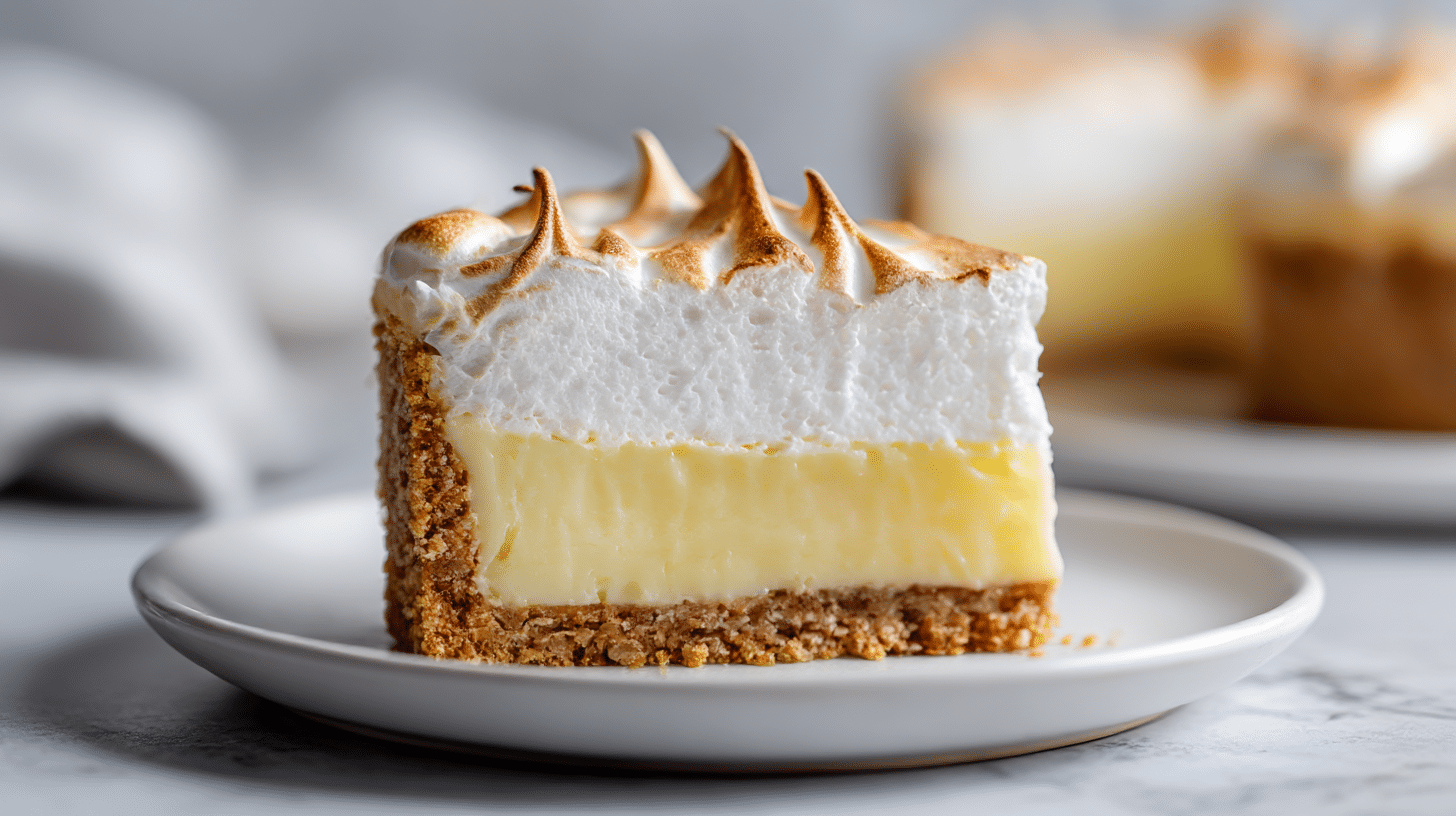
Recipe at a Glance – gordon ramsay lemon meringue cheesecake
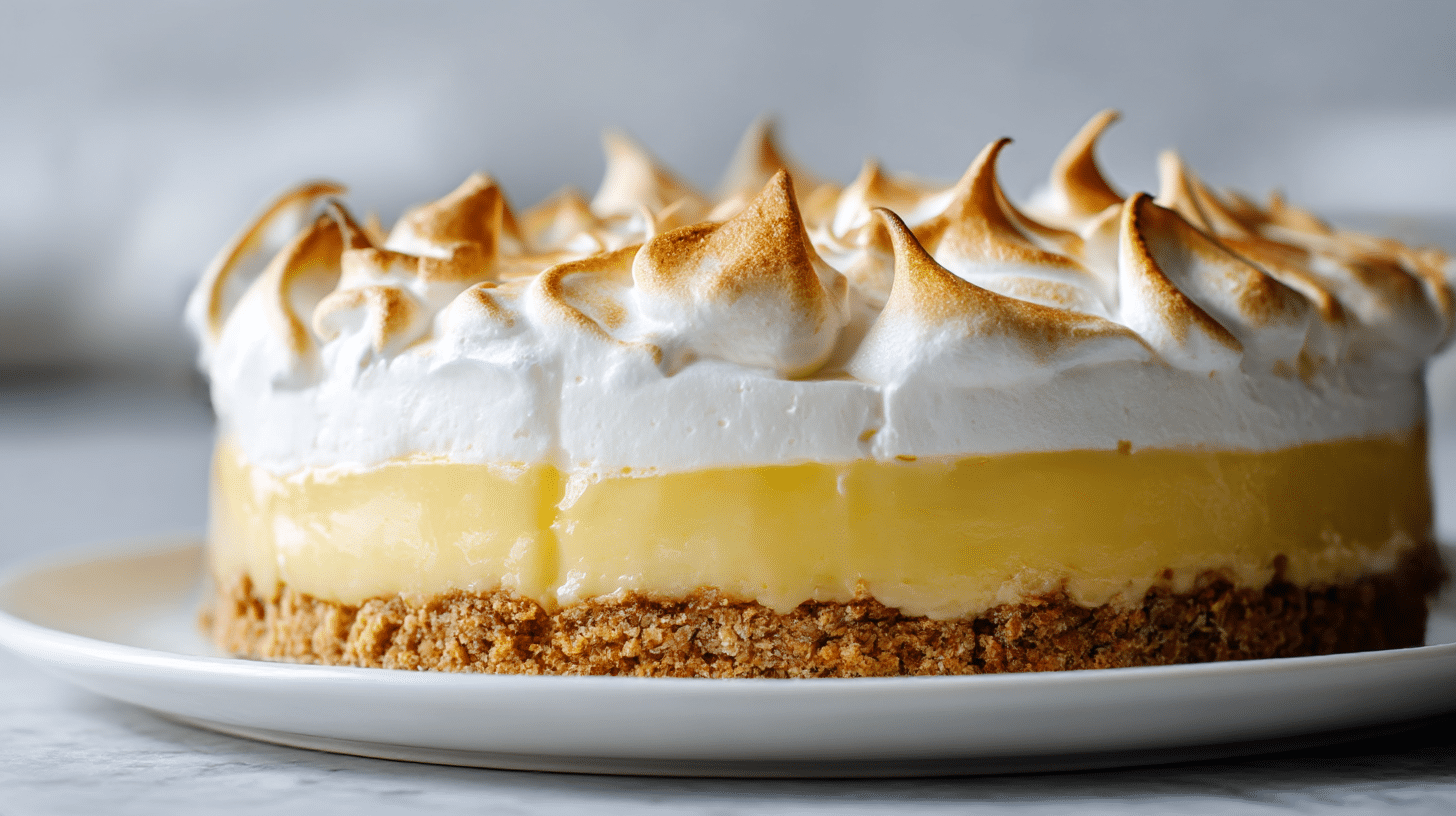

Gordon Ramsay Lemon Meringue Cheesecake
Ingredients
Equipment
Method
- Preheat oven to 175°C (350°F). Mix digestive biscuits and melted butter, then press into the base of a springform pan. Bake for 10 minutes and cool.
- In a large bowl, whisk together cream cheese and sugar until smooth. Blend in the prepared lemon curd and heavy cream.
- In a saucepan, combine granulated sugar, eggs, and lemon juice over low heat. Stir frequently until thickened, about 10-15 minutes.
- In a clean bowl, whip egg whites until soft peaks form, then gradually add caster sugar until glossy, about 5 minutes.
- Pour the cheesecake mixture onto the cooled crust. Bake at 160°C (320°F) for 50-60 minutes until set.
- Turn off the oven and crack the door. Cool for an hour, then refrigerate for at least 4 hours.
- Spread the cooled lemon curd evenly over the cheesecake, refrigerate for another hour.
- Spread whipped meringue over lemon curd and torch until golden, taking care not to burn it.
Nutrition
Notes
Love this recipe?
Give us 5 stars and comment!Key Ingredients for Your Cheesecake Masterpiece
Understanding the Cheesecake Base
To create the perfect gordon ramsay lemon meringue cheesecake, start with a solid base. You’ll need 200g of crushed digestive biscuits mixed with 100g of melted butter. This buttery mix holds everything together, giving your cheesecake that satisfying crunch.
Perfecting the Lemon Curd
The main ingredients for your lemon curd are 150g of granulated sugar, 3 large eggs, and 100ml of fresh lemon juice. Always use fresh lemons for a vibrant flavor. Cook the mixture slowly until it thickens and coats the back of a spoon.
Essential Meringue Ingredients
For that fluffy meringue topping, grab 3 large egg whites and 150g of caster sugar. The trick to a good meringue? Make sure your bowl is completely clean! Any grease can ruin your fluffy dreams.
Flavor Enhancers to Elevate
Don’t skip on zest! Add the zest of 2 lemons to your curd and meringue for an aromatic boost. A pinch of sea salt in your meringue can balance out the sweetness. Remember, variety in flavor matters.
Step-by-Step Preparation Guide
Crafting the Cheesecake Crust
Mix your biscuit and butter combination in a bowl, then press it firmly into the base of a springform pan. Use the back of a spoon for an even surface. Bake at 175°C (350°F) for about 10 minutes, then let it cool while you prepare the filling.
Creating the Cheesecake Filling
In a large bowl, whisk together 600g of cream cheese and 100g of sugar until smooth. Blend in the lemon curd you made earlier, followed by 200ml of heavy cream. Ensure there are no lumps for a creamy texture.
Cooking the Lemon Curd
In a saucepan, combine the sugar, eggs, and lemon juice over low heat. Stir frequently until it thickens, about 10 to 15 minutes. Take your time; rushing can lead to scrambling the eggs.
Mastering the Meringue
In a clean bowl, whip the egg whites until soft peaks form, then gradually add the caster sugar. Whip until shiny and firm peaks appear, about 5 minutes. Keep whipping until you can turn the bowl upside down without spilling!
Mastering Cooking and Setting Techniques
Baking Your Cheesecake
Pour the cheesecake mixture onto the cooled crust. Bake at 160°C (320°F) for around 50 to 60 minutes until just set. Don’t overbake! A slight jiggle in the center indicates it’s perfect.
Cooling and Chilling
After baking, turn off the oven and crack the door open. Let the cheesecake cool inside for an hour to avoid cracks. Then refrigerate for at least 4 hours or overnight to allow the flavors to meld.
Applying the Lemon Curd
Spread your thick, cooled lemon curd generously over the cheesecake. Make sure it’s even for a professional touch. Allow it to set in the fridge for an extra hour before adding the meringue.
Torching the Meringue
Spread the whipped meringue over the lemon curd, creating swirls or peaks. Using a kitchen torch, gently char the meringue until golden. Don’t hold the flame too close; burnt meringue is a disappointment!
Fixing Common Baking Problems
Addressing Cracks in Your Cheesecake
If your cheesecake cracks, it might be overbaked or cooled too fast. Next time, lower the oven temperature and let it cool slowly in the oven with the door ajar.
Thinning Out Lemon Curd
If your lemon curd is too thin, think about adding an extra egg or cooking it longer on low heat. It should be thick enough to coat a spoon without running off.
Avoiding Soggy Meringue
Soggy meringue can be frustrating! This happens if moisture gets in. Make sure the cheesecake is completely cool before applying the meringue. Be patient!
Fixing Lumps in Your Batter
To prevent lumps, always use room temperature cream cheese. If you notice lumps after mixing, whisk vigorously or use an immersion blender to smooth it out. Don’t toss it out; fix it!
Exploring Variations and Creative Twists
Regional Flavor Inspirations
Want to mix it up? Consider adding local flavors by incorporating berries or different citrus. Grapefruit can give your lemon cheesecake a unique twist. Be bold with your experiments!
Choosing Alternative Crusts
Switch from digestive biscuits to an almond or oat base for a gluten-free version. Just make sure your ratio of butter to dry ingredients remains the same. Get creative, but keep your ingredients balanced!
Mixing Different Curd Combinations
Consider adding lime or orange juice to the lemon curd for a citrus medley. This will provide a distinct taste in every bite. Explore your fruit basket for ideas!
Seasonal Ingredient Suggestions
Add fresh berries as a topping in summer or spice it up with a gingerbread crust in winter. Each season brings unique flavors that can make your cheesecake shine in its own way.
Tips and Tricks for Cheesecake Success
Exploring No-Bake Options
If you prefer an easy no-bake lemon meringue cheesecake, swap the baked base for a fridge-set version. Use whipped cream and gelatin for the filling to skip the cooking stage altogether. Great for those lazy days!
Topping Alternatives
If you want to try something different from meringue, consider a whipped cream topping. Flavored whipped cream adds flair—try infusing it with vanilla or almond extract. Make it your own!
Refrigeration Best Practices
Always cover your cheesecake tightly in the fridge to prevent it from absorbing odors. Plastic wrap or a cake dome will do the trick! Ideally, keep it stored for no longer than 3 to 4 days.
Substituting Ingredients
If you run short on lemons, feel free to use bottled lemon juice—just check that it’s 100% pure. For sugar, coconut or maple syrup can bring a different sweetness. Adjust the measurements for the best result!
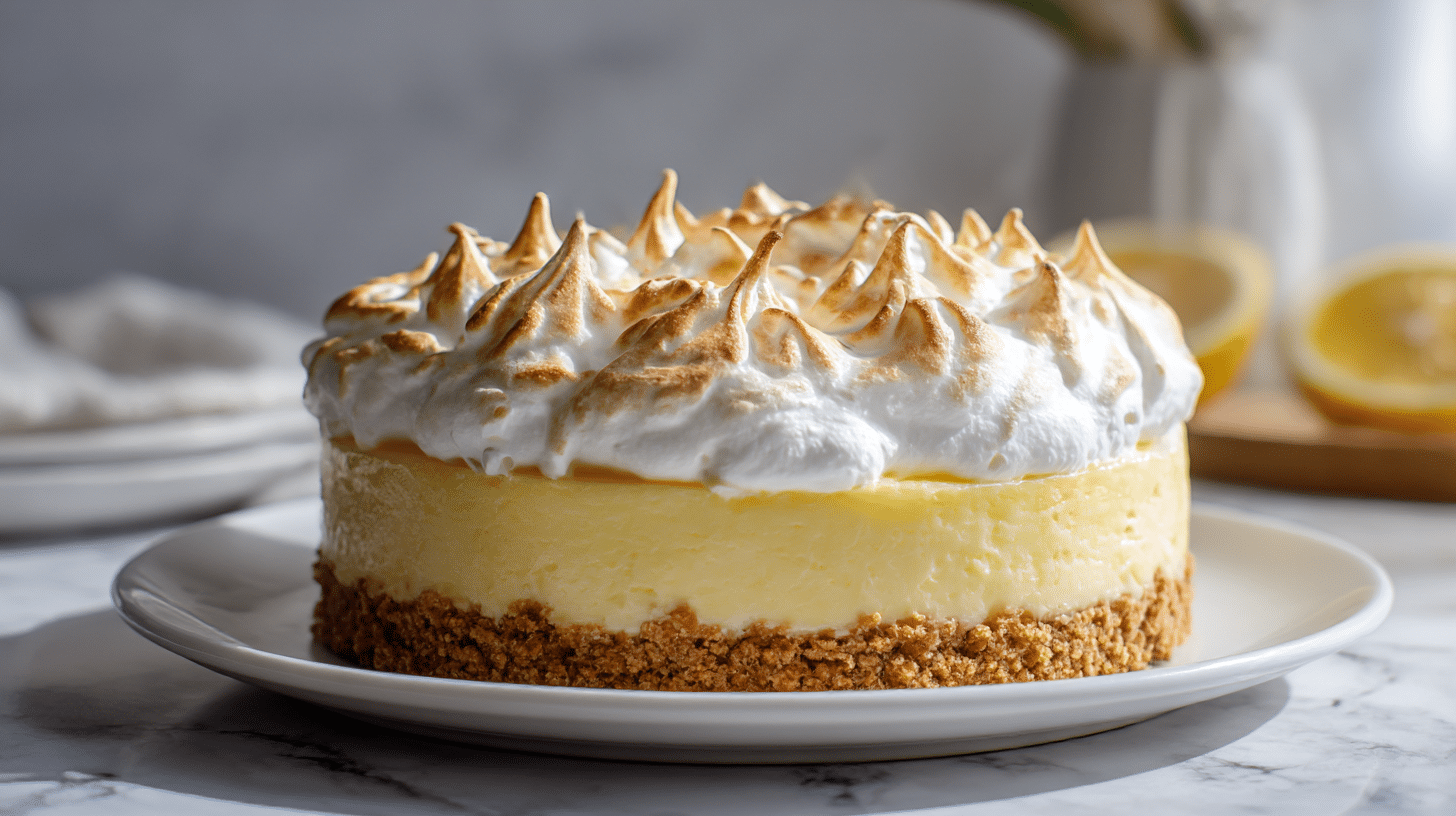
Step-by-Step Video: Gordon Ramsay’s Top 5 Desserts | COMPILATION
FAQ – gordon ramsay lemon meringue cheesecake
Can I make Gordon Ramsay lemon meringue cheesecake no-bake?
Yes, use whipped cream instead of eggs for filling; set in fridge for 6 hours.
How do I torch meringue without a kitchen torch?
Broil in the oven for 1-2 minutes or air fry at 350°F briefly—watch closely to avoid burning.
Is it gluten-free?
Swap graham crackers for a gluten-free version and use cornstarch in the filling.
How long does it last?
It lasts 3-4 days in the fridge and can be frozen for up to 1 month.
What can I substitute for sour cream?
Greek yogurt works well and cuts calories for health-conscious cooks.
Why use a water bath?
It prevents cracks in the oven-baked version but is not needed for the air fryer.
Before you start cooking…
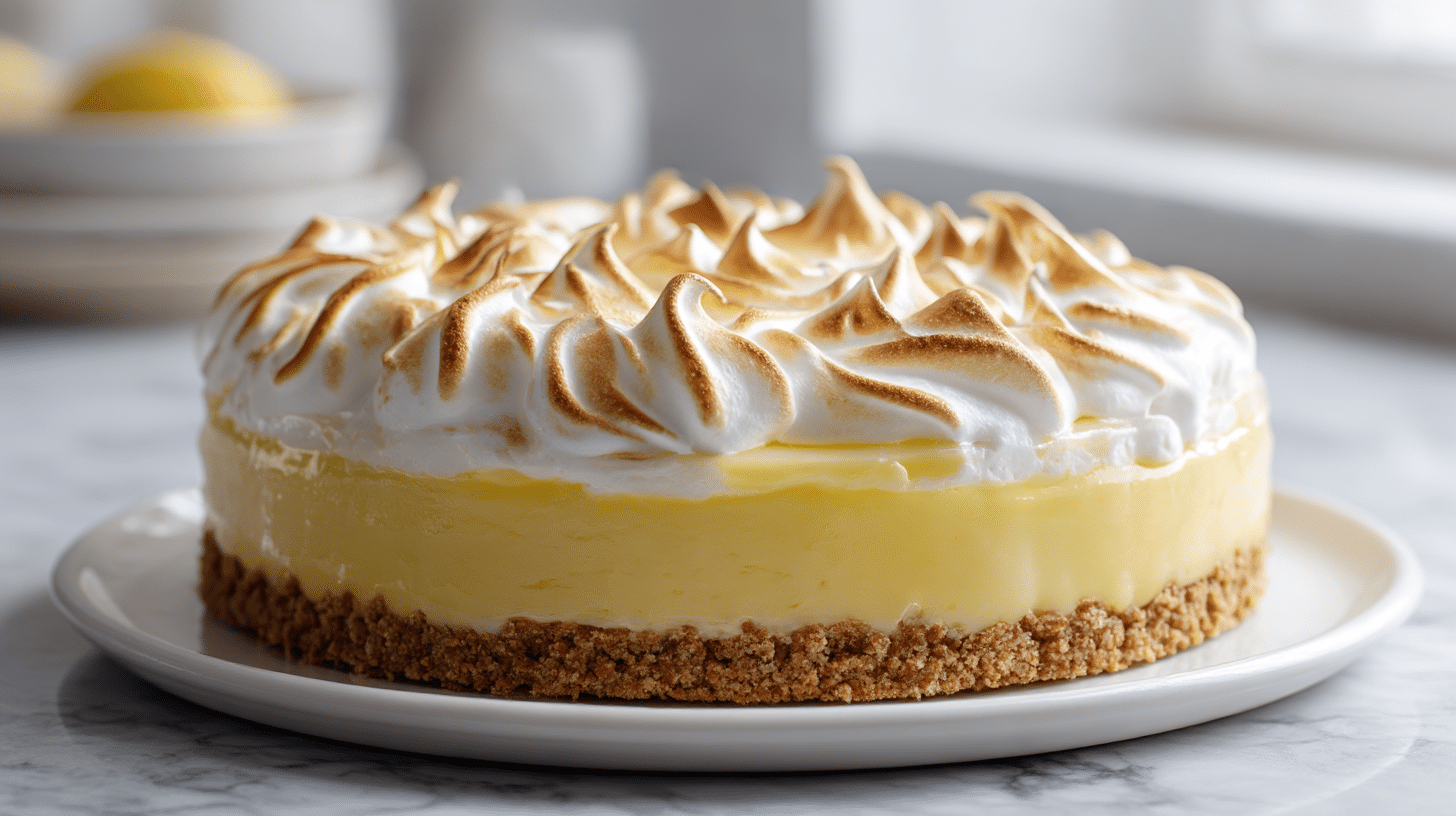
After whipping up your Gordon Ramsay lemon meringue cheesecake, take a moment to step back and admire your handiwork. The golden swirls, the bright lemon hue against a buttery crust—now that’s a sight worth celebrating! Picture the first bite: the creamy filling, the zesty kick, and that cloud-like meringue melting in your mouth. It’s an absolute victory in the kitchen! So, don’t just stop here; experiment with flavors, crusts, and toppings. Now it’s your turn—make it bold, make it yours.