Gordon Ramsay Green Peppercorn Sauce Recipe
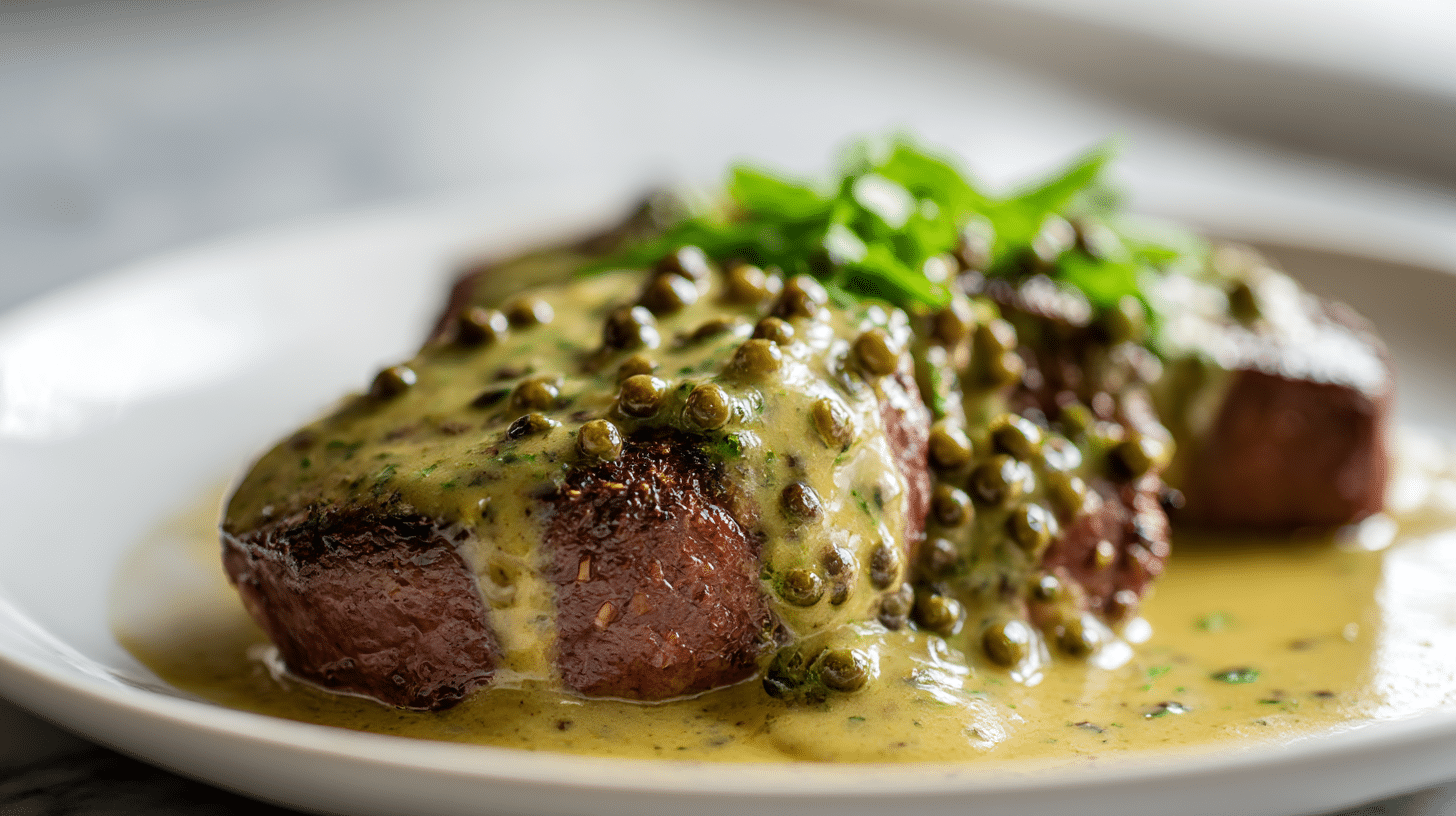
Gordon Ramsay’s green peppercorn sauce is a game-changer for your dishes. The first time I tasted it, I realized that a simple sauce could take a steak from ‘meh’ to ‘magnificent’ with just a hint of peppery zing and creamy richness. With this recipe in your arsenal, you’ll save time, impress your guests, and elevate your cooking game to Ramsay levels. We’re not just slapping on sauce here; we’re creating a flavor explosion that speaks volumes about your skills in the kitchen!
Recipe at a Glance – gordon ramsay green peppercorn sauce
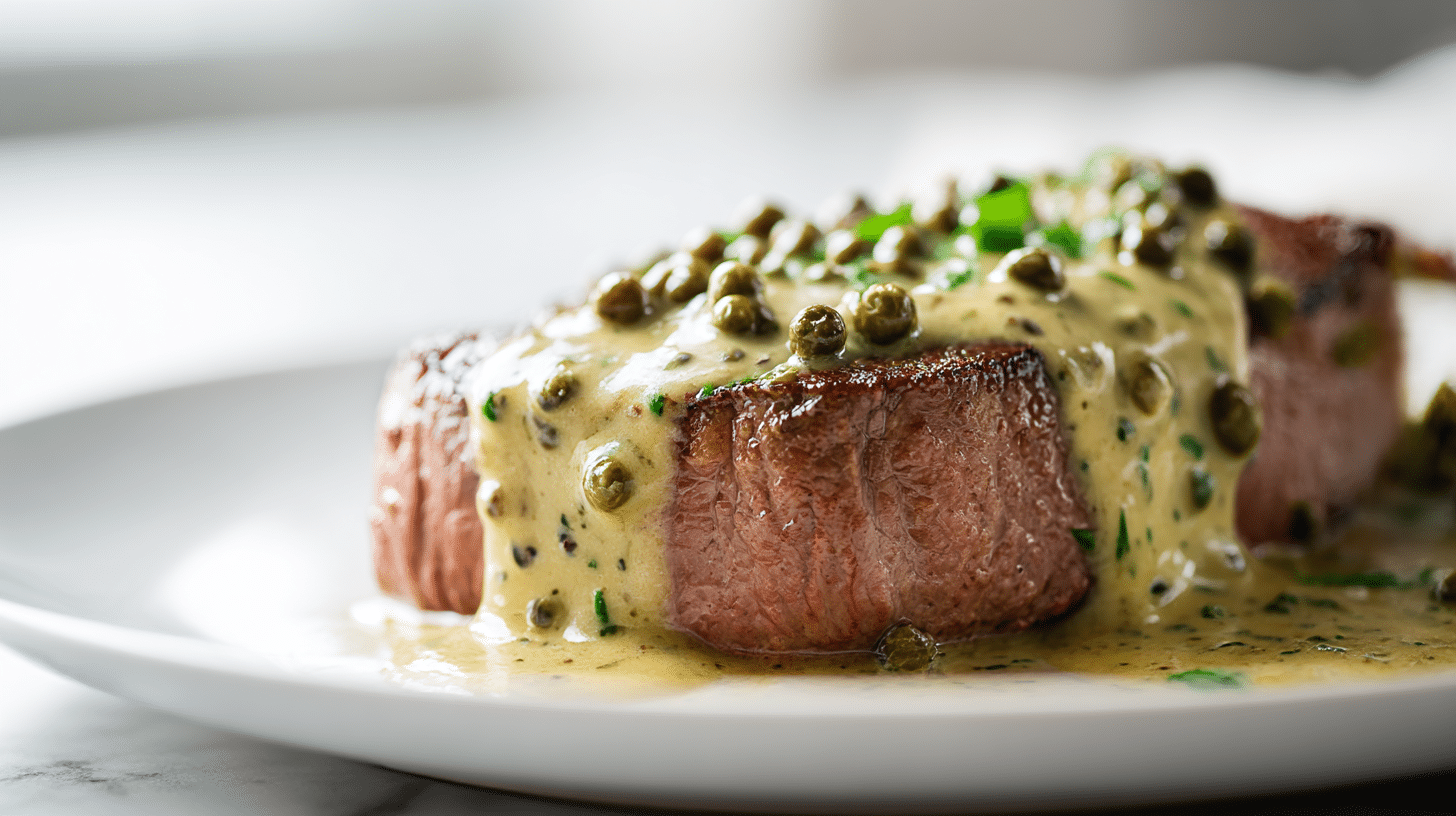

Green Peppercorn Sauce
Ingredients
Equipment
Method
- Sauté shallots in a skillet on medium heat with a splash of oil until tender and translucent, about 3-4 minutes.
- Add white wine or cognac to deglaze the pan and scrape up flavorful bits for about 2 minutes.
- Measure and combine 250 ml of heavy cream and 500 ml of stock precisely.
- Reduce the mixture on low heat for about 10-15 minutes until thick and creamy.
- Slowly whisk in the heavy cream for about 2-3 minutes until smooth.
- Taste and adjust seasoning with salt and fresh ground black pepper, adding a squeeze of lemon if desired.
Nutrition
Notes
Love this recipe?
Give us 5 stars and comment!Essential Ingredients for Green Peppercorn Sauce
Fresh Green Peppercorns
Start with the key ingredient: fresh green peppercorns. They bring a unique punch and freshness to your sauce. If you can’t find them, canned green peppercorns can work, but you’ll sacrifice some of that vibrant taste. Aim for about 30 g to balance your sauce for four servings.
Heavy Cream
You’ll need around 250 ml of heavy cream for that creamy texture. This cream is essential for a rich mouthfeel. Don’t hold back; the cream makes the sauce smooth. If you’re watching calories, consider slightly under-whipping your cream—but be prepared for a less indulgent result!
Bone Stock or Beef Stock
About 500 ml of bone or beef stock is necessary. This stock forms the foundation of the sauce, giving it richness and flavor. Homemade stock is best, but a good store-bought version works in a pinch.
Shallots or Onions
Two medium shallots finely chopped add sweetness and depth. If you prefer, onions can substitute, but shallots really enhance that gourmet feel. Make sure to chop them finely to avoid having chunks in your sauce.
White Wine or Cognac
For deglazing, use 100 ml of white wine or cognac. This adds acidity and balances the flavors. If you’re cooking for guests, choose a decent bottle—no low-quality cooking wine here!
Prep and Technique
Sautéing Aromatics
Start by sautéing your shallots in a pan on medium heat with a splash of oil until they’re tender and translucent—about 3-4 minutes. Keep an eye on their color; nobody wants burnt shallots! This step builds flavor, so take your time.
Sourcing Fresh Peppercorns
Check specialty stores or the international aisle of large grocery stores for fresh green peppercorns. Don’t hesitate to ask—sometimes, a local butcher knows where to find them. If you have no luck, there are plenty of online options available.
Deglazing the Pan
After sautéing, pour in your white wine or cognac to deglaze. Use a wooden spoon to scrape up those tasty bits—about 2 minutes should do the trick. This step is crucial; it ties the sauce together.
Measuring Cream and Stock
Be precise—grab 250 ml of heavy cream and 500 ml of stock. Too much stock can dilute the flavor, while too little cream makes it thick. Use a liquid measuring cup for accuracy; this isn’t the moment to eyeball it!
Cooking Steps
Heat Control for Sautéing
Keep the heat on medium-low while sautéing. You want a gentle cook—not a boiling mess. If the heat is too high, you’ll lose those delicate flavors!
Timing for Sauce Reduction
Once you add your liquid, let it reduce on low heat for about 10-15 minutes. You’re aiming for a thick, creamy consistency. Don’t rush this; patience is important while the flavors blend.
Whisking in Cream
Gradually whisk in your heavy cream. This should take about 2-3 minutes, so keep it moving! You want everything to blend nicely without lumps. Add the cream when your sauce has reduced properly.
Final Seasoning Adjustments
Taste and adjust! Sprinkle in salt and fresh ground black pepper to taste—start with a pinch of salt and adjust from there. This is when you can really make the sauce shine. A squeeze of lemon can also brighten the flavor!
Variations and Adjustments
Alternative Spirits for Deglazing
If white wine isn’t your thing, brandy or even sherry can work well too. Each brings its unique flavor. Just aim for a similar quantity—about 100 ml.
Using Different Stocks
Feel free to experiment with stocks—chicken or vegetable stock can work perfectly if you’re after lighter flavors. Just make sure to adjust the seasoning accordingly.
Spice Adjustments
Looking for some heat? Add a few crushed red pepper flakes. Just be cautious; start small. You can always add more, but toning down a spicy sauce can be tricky.
Vegan Options
For a vegan twist, use coconut cream and vegetable stock. Skip the wine and go for a splash of vinegar instead. The flavors might shift, but the essence remains—just keep tasting!
Troubleshooting
Sauce Too Thin
If your sauce is too thin, let it simmer longer. Reducing it over low heat will thicken it. You can also mix a cornstarch slurry—combine 1 tablespoon of cornstarch with 2 tablespoons of cold water and stir it into the sauce over low heat.
Overcooked Aromatics
If your shallots burned, you’ll need to start again. Burnt flavor can’t be fixed; it ruins the whole dish. Use fresh shallots, lower the heat, and keep a close watch!
Unbalanced Flavor Profiles
If it’s too acidic, stir in a pinch of sugar to balance it out. If it feels too rich, a dash of lemon juice can brighten things up. Remember, your taste buds are your best guide!
Lack of Seasoning
If the sauce tastes flat, add salt in small amounts until it pops. Freshly ground pepper can also help enhance the flavor—don’t be afraid to season!
Making Green Peppercorn Sauce Ahead
Storage of Sauce
You can keep your gordon ramsay green peppercorn sauce in an airtight container in the fridge for up to 3 days. Just remember to reheat it gently!
Reheating Techniques
Reheat over low heat to prevent separation. Stir it constantly, and if it thickens too much, add a splash of stock to loosen it. Microwaving? Use short bursts and stir in between.
Can I use dried peppercorns?
While you can use them, dried green peppercorns won’t give you the same flavor. They lack that fresh punch and aromatic notes. It’s definitely best to seek out fresh or canned options.
Techniques for Homemade Sauces
Feel free to get creative with your ingredients! The beauty of homemade sauce lies in experimenting. Try adding herbs, spices, or different cream bases to make it distinctly yours.
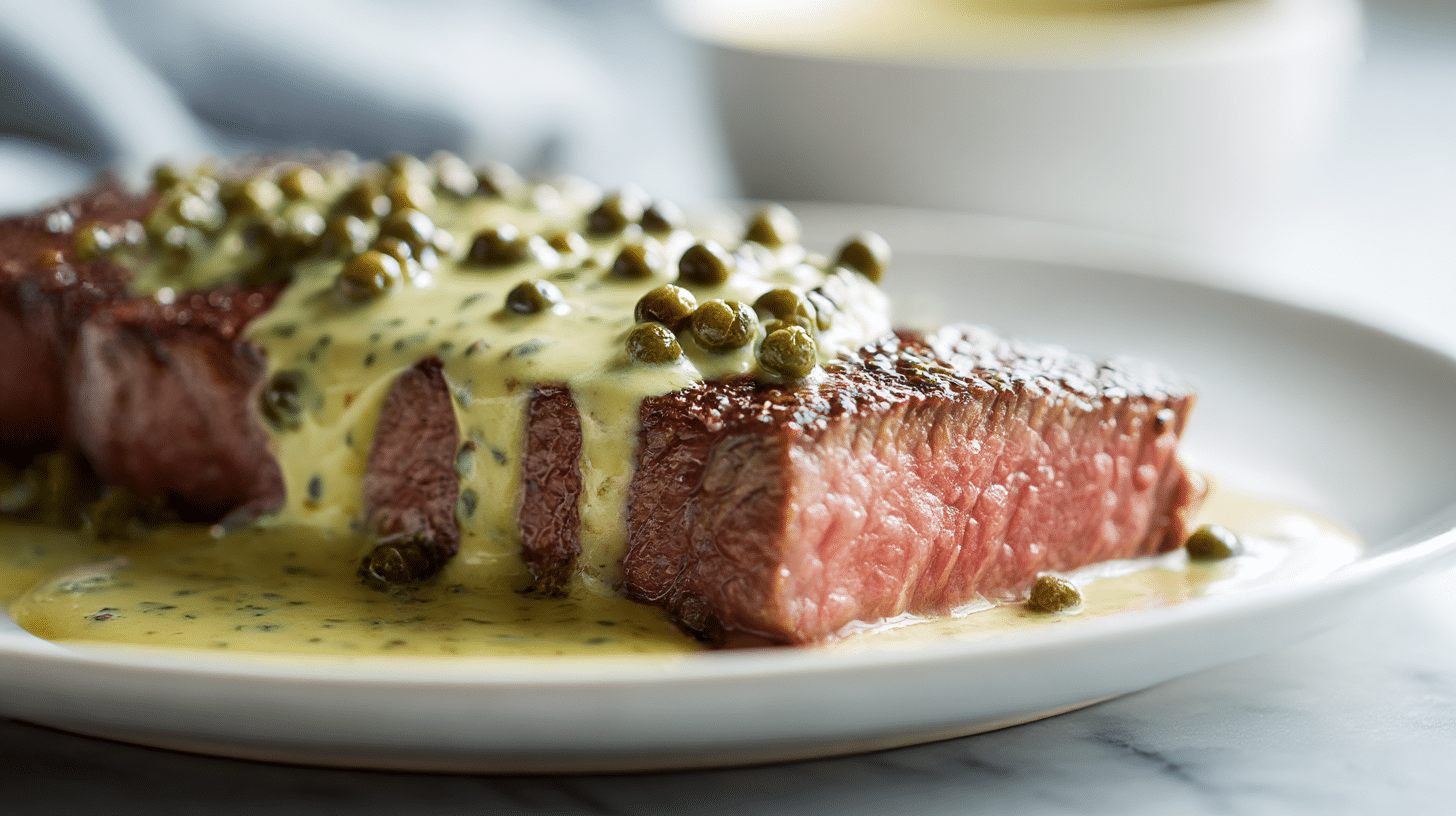
Step-by-Step Video: Gordon Ramsay-Inspired Peppercorn Steak Sauce How To …
FAQ – gordon ramsay green peppercorn sauce
How do I thicken the sauce?
If the sauce is too thin, let it simmer for a few extra minutes to reduce, or add a cornstarch slurry to thicken it quickly.
What can I substitute for fresh peppercorns?
You can use a mix of black peppercorns and crushed white peppercorns for a different flavor profile.
How do I store leftover sauce?
Store in an airtight container in the fridge for up to a week. Reheat gently on the stove.
What should I serve with this sauce?
This sauce pairs perfectly with steak, lamb, or roasted poultry for a rich, peppery flavor.
Before you start cooking…
Once you’ve nailed Gordon Ramsay’s green peppercorn sauce, even the simplest meal transforms into something spectacular. The silky texture and vibrant flavors will have you feeling like a culinary rockstar every time you serve it. Picture yourself pouring this creamy, peppery delight over a perfectly cooked steak; the aroma alone is enough to make anyone swoon. When you finally get it just right, it’s as if you’ve cracked the flavor code. So roll up those sleeves and own your kitchen—it’s your turn to make it bold, make it yours!