Gordon Ramsay Béchamel Sauce Recipe
Gordon Ramsay béchamel sauce is my secret weapon in the kitchen. I remember my first attempts—blobs of gluey flour mixed with milk, hardly a sauce you’d call ‘elegant’. But once I nailed that creamy, velvety texture, everything changed. This sauce is the base for countless dishes and, trust me, nailing it will boost your cooking confidence faster than a perfectly seared scallop! Follow my lead, and you’ll save time and avoid the dreaded lumpy fate. Let’s whip up some magic!
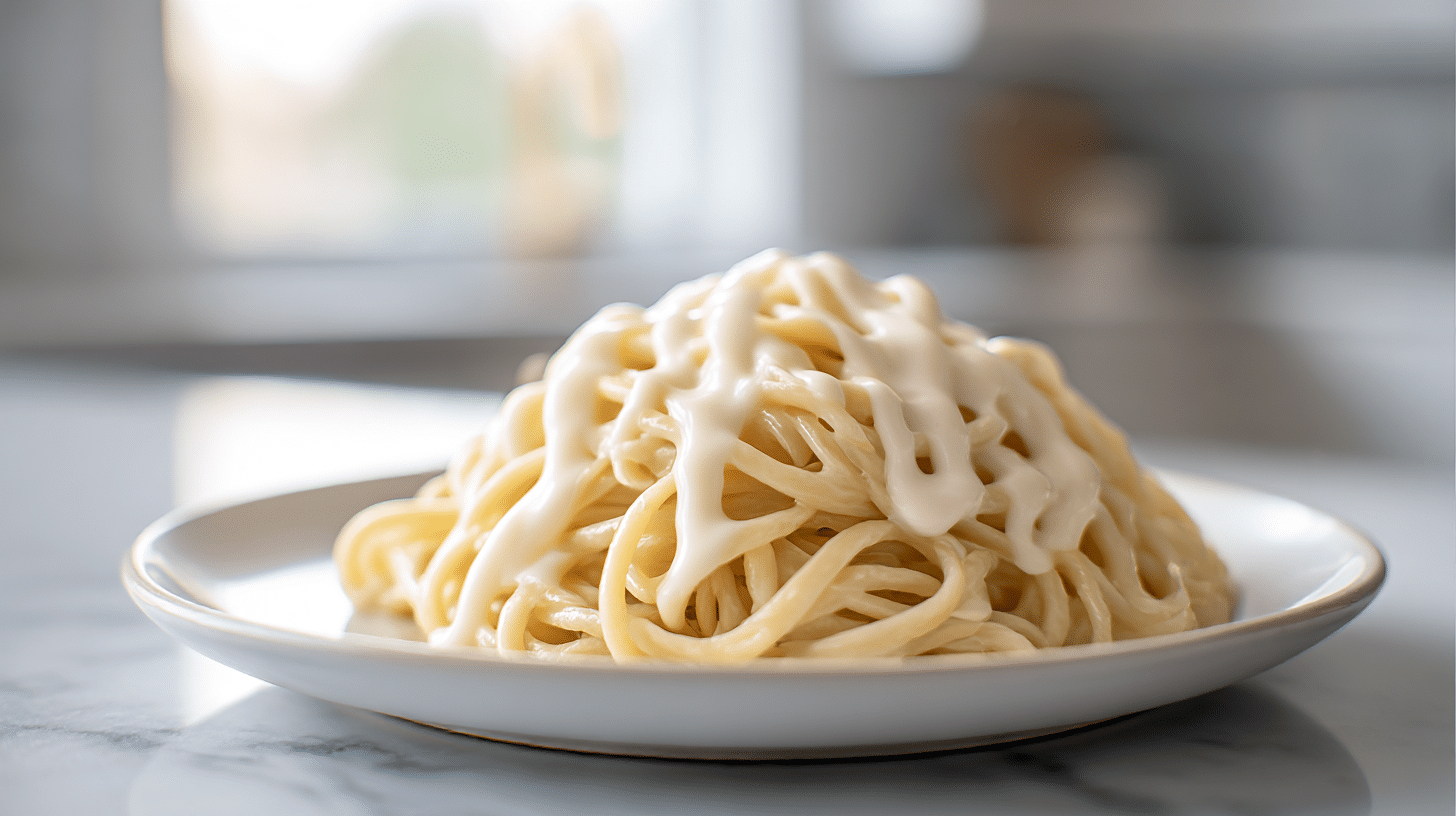
Recipe at a Glance – gordon ramsay bechamel sauce


Gordon Ramsay’s Béchamel Sauce
Ingredients
Equipment
Method
- Mise en place: Measure out 50g each of butter and flour, and have your milk ready at 500ml.
- Melt butter in a skillet over medium heat. Add flour and stir for about 2 minutes to form a roux.
- Gradually add milk, about 100ml at a time, whisking continuously to avoid lumps.
- Whisk until thick and velvety, usually around 5–10 minutes, adjusting heat as needed.
- Maintain steady heat to avoid boiling; watch closely as the béchamel thickens in about 10 minutes.
- If the sauce is too thick, add a splash of warm milk and stir until desired consistency is achieved.
- Taste and adjust seasoning before serving. Add cheese if making a cheese sauce.
Nutrition
Notes
Love this recipe?
Give us 5 stars and comment!Core Ingredients for Making Béchamel Sauce
Butter and Flour Ratio
To master the Gordon Ramsay béchamel sauce, you need the right butter-to-flour ratio. Use 50g of unsalted butter and 50g of all-purpose flour for a smooth base. This classic ratio helps create a roux that gives your sauce that lovely texture. Too much flour can make it clumpy — keep it equal!
Milk Type
The richness of your béchamel sauce comes from the milk you choose. Whole milk is the best option for a rich, creamy sauce, but you can swap in 2% milk if you’re after something lighter. Just avoid skim milk; it won’t give you the same creamy results.
Seasoning Essentials
Don’t skip on the seasoning! A pinch of salt and white pepper is essential to bring out flavor without overwhelming the sauce. You might also want to add a dash of nutmeg — it adds a warm note that takes your béchamel from ordinary to special.
Optional Flavorings
Feeling bold? Consider tossing in a bay leaf or even a clove during cooking for a hint of flavor. Remember to strain them out before serving. Another option? Infuse your milk with garlic or onion beforehand for added depth!
Prep and Technique
Mise en Place
Before you start mixing, get your ingredients organized. Measure out 50g each of butter and flour, and have your milk ready at 500ml. Trust me, having everything set up will save you a headache later on.
Roux Preparation
Begin by melting the butter in a pan over medium heat. Add the flour and stir continuously for about 2 minutes until it forms a paste known as a roux. Don’t let it brown, so keep an eye on it! This roux is the base of your Gordon Ramsay béchamel sauce recipe.
Gradual Milk Addition
Once your roux is ready, it’s time to add the milk. Pour it in gradually, about 100ml at a time, whisking constantly to prevent lumps. This slow method lets the sauce thicken evenly and smoothly.
Whisking Technique
Whisking is key! Use a good whisk to blend the milk into the roux thoroughly. Keep whisking until it becomes thick and velvety, usually around 5–10 minutes on medium heat. If it starts bubbling, turn the heat down a bit.
Cooking Steps
Heat Control
Keep a steady heat — medium to medium-low works best. If your sauce boils too much, it could separate or burn. Patience is your friend; low and slow gets you the perfect béchamel.
Timing for Thickness
Watch your béchamel closely; it should thicken in about 10 minutes. Look for a smooth consistency that coats the back of a spoon. If it’s too runny, keep cooking; if it thickens too quickly, lower the heat and whisk more.
Adjusting Consistency
If your sauce is too thick, just add a splash of warm milk. Stir vigorously until you reach your desired consistency. If it’s too thin, keep it on the heat a little longer — that’s no problem!
Final Seasoning
Once thickened, taste your béchamel and make any final adjustments. A pinch of salt or more white pepper might be just what it needs. Remember, flavors develop as it sits, so it’s worth fine-tuning.
Variations and Adjustments
Cheese Sauce Variation
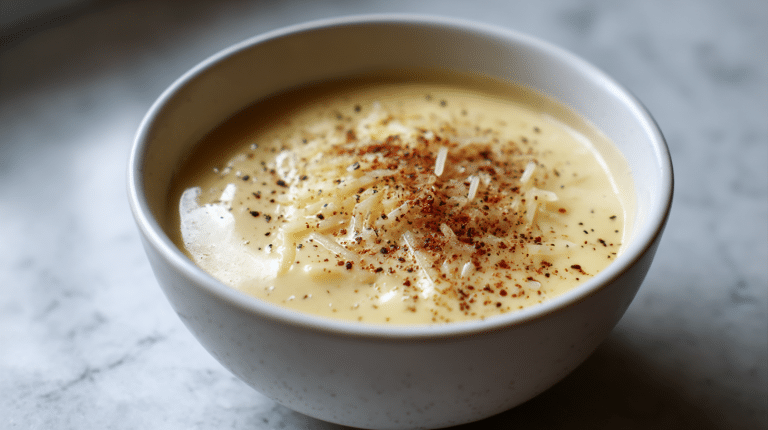
To turn your béchamel into a cheesy delight, add about 100g of grated cheese (like Gruyère or cheddar) to your sauce after it’s thickened. Stir until melted and smooth for a perfect cheese sauce for pasta or nachos!
Herb Infusions
Boost the flavor by adding fresh herbs like thyme or parsley to your béchamel. Toss in a handful just before serving, or steep dried herbs in your milk overnight for a stronger taste.
Vegan Alternatives
Want a dairy-free béchamel? Use vegan butter and almond or oat milk. The method stays the same. Just make sure to season well since dairy-free milk can sometimes lack flavor.
Plating Ideas
Serve your béchamel sauce over vegetables, pasta, or even grilled chicken. It also works great as a base for lasagna. Don’t hesitate to drizzle or dollop it creatively to elevate your dish!
Troubleshooting
Lumpy Sauce Solutions
If you notice lumps, don’t worry! Blend it in a food processor or use an immersion blender until smooth. Those little bumps won’t stand a chance against a good whir!
Sauce Too Thick
If your sauce is like glue, just add more warm milk to thin it out. Whisk thoroughly and reheat gently, stirring until you’re back on track.
Off Tasting Seasoning
If the flavor isn’t spot on, you might need more salt or a hint of nutmeg. A splash of lemon juice can also brighten things up instantly — don’t hold back!
Saucier Techniques
For a smooth finish, strain your béchamel through a fine sieve before serving. This step is optional but adds a professional touch that Gordon Ramsay would approve of.
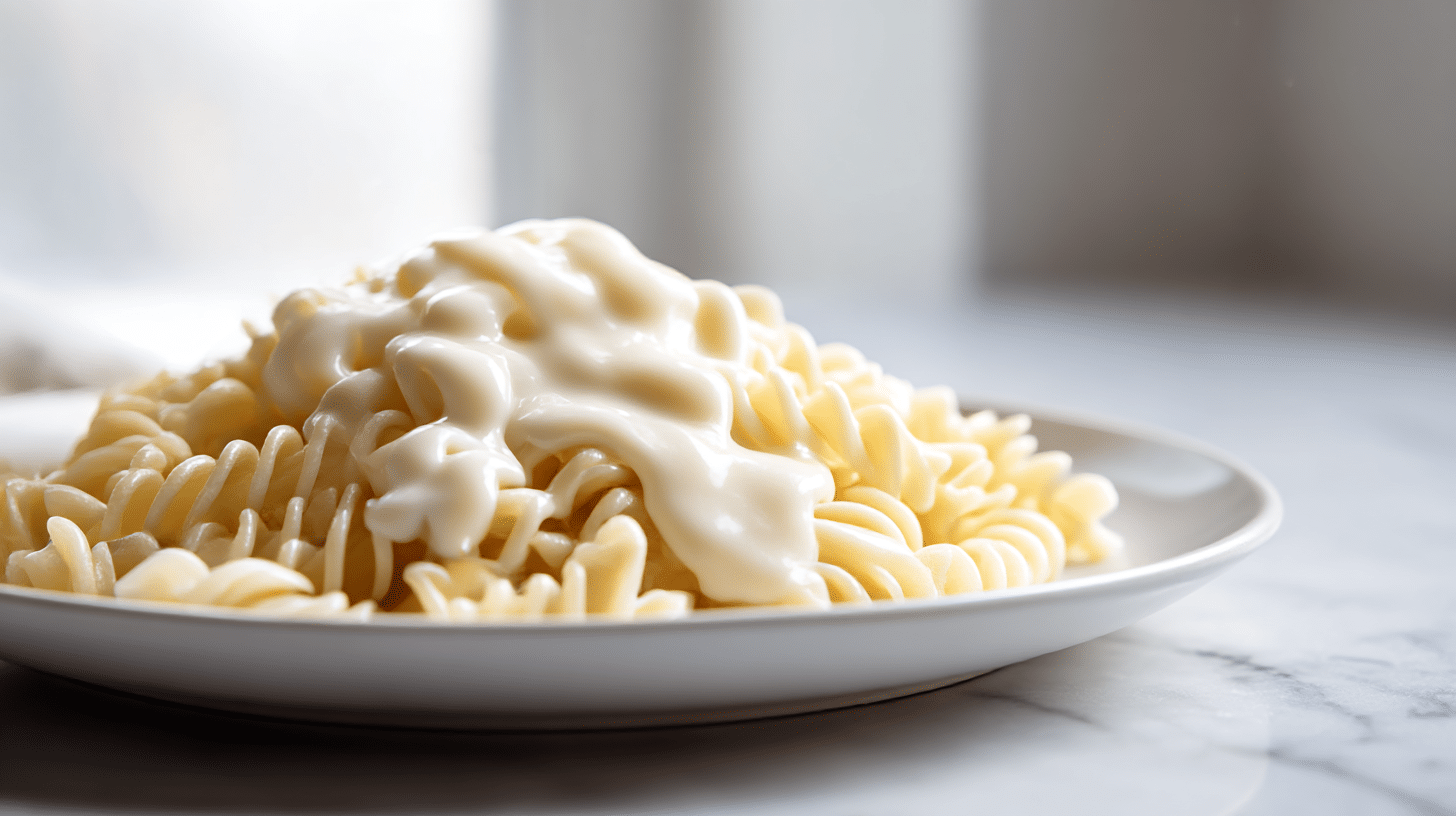
Step-by-Step Video: GORDON RAMSAY How to make a classic white sauce with …
FAQ – gordon ramsay bechamel sauce
How do I ensure a smooth béchamel?
Whisk constantly while adding milk gradually to avoid lumps, and cook over medium heat.
What can I do if my sauce is lumpy?
Blend the sauce with an immersion blender or strain it to remove lumps.
How thick should béchamel be?
It should coat the back of a spoon; if too thick, add more milk gradually while whisking.
Can I make béchamel ahead of time?
Yes, make it in advance and cool it quickly; reheat gently to prevent scorching.
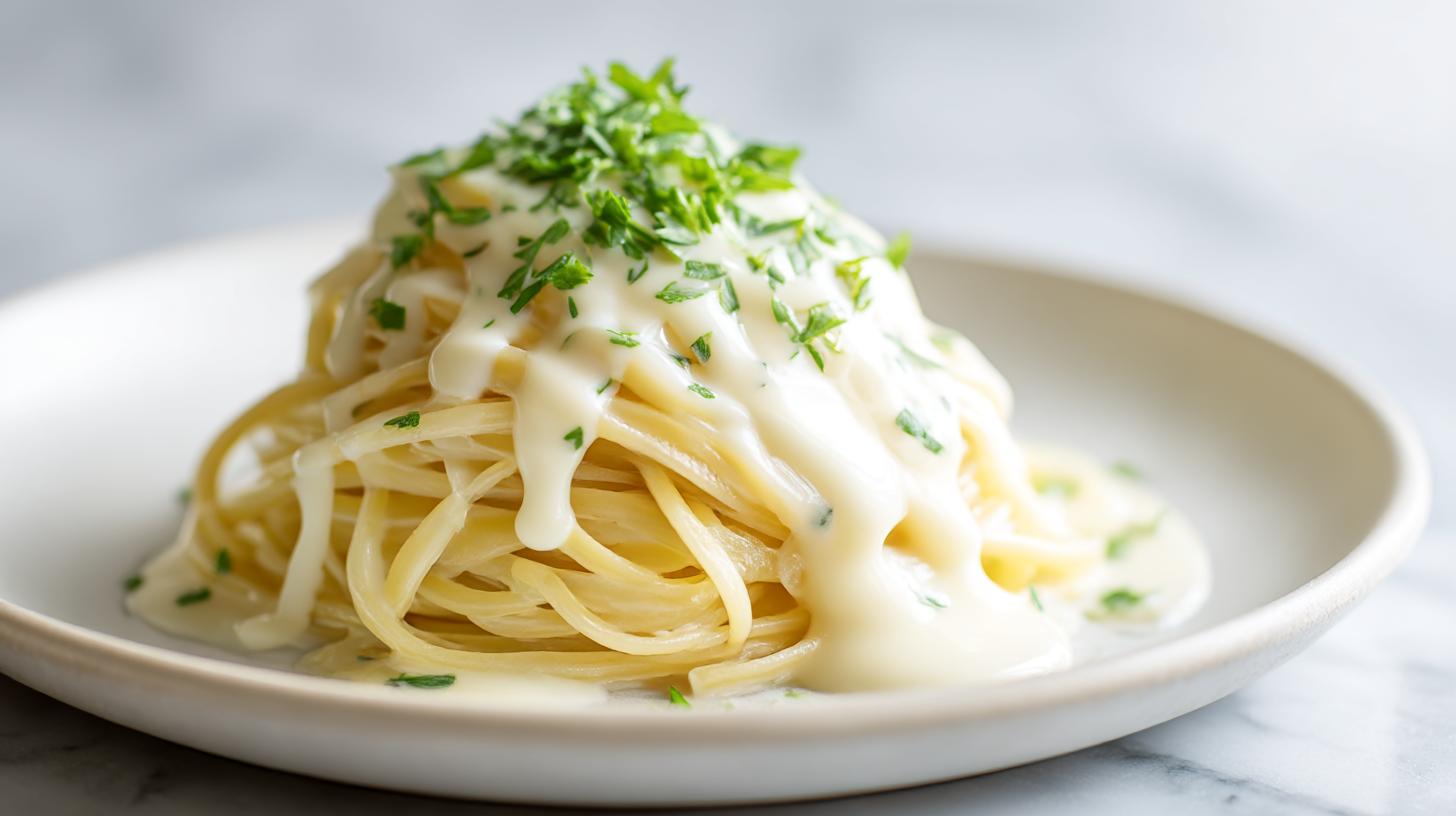
Before you start cooking…
Finally getting it right with Gordon Ramsay’s béchamel sauce feels like winning a gold medal. That rich, creamy texture that coats pasta, drizzles over veggies, or forms the foundation of a luxurious lasagna is a game-changer in your cooking arsenal. It’s not just about the sauce; it’s about the journey of becoming a confident cook. So, roll up your sleeves, grab that whisk, and let’s make it happen! Now it’s your turn — make it bold, make it yours.