Gordon Ramsay Coleslaw Recipe
Coleslaw isn’t just a side; it’s a crunchy explosion of flavor and color that can transform any meal. Remember the last time you had a bland, watery coleslaw that left you wondering why you even bothered? I used to serve those tepid piles of shredded veggies until I found the balance of crunch, tang, and sweetness that Ramsay demands. Now, I whip up this coleslaw recipe with confidence, knowing it’ll be the star of the show, not just an afterthought. Let’s dive into the art of coleslaw making — your tastebuds deserve it!
Recipe at a Glance – coleslaw
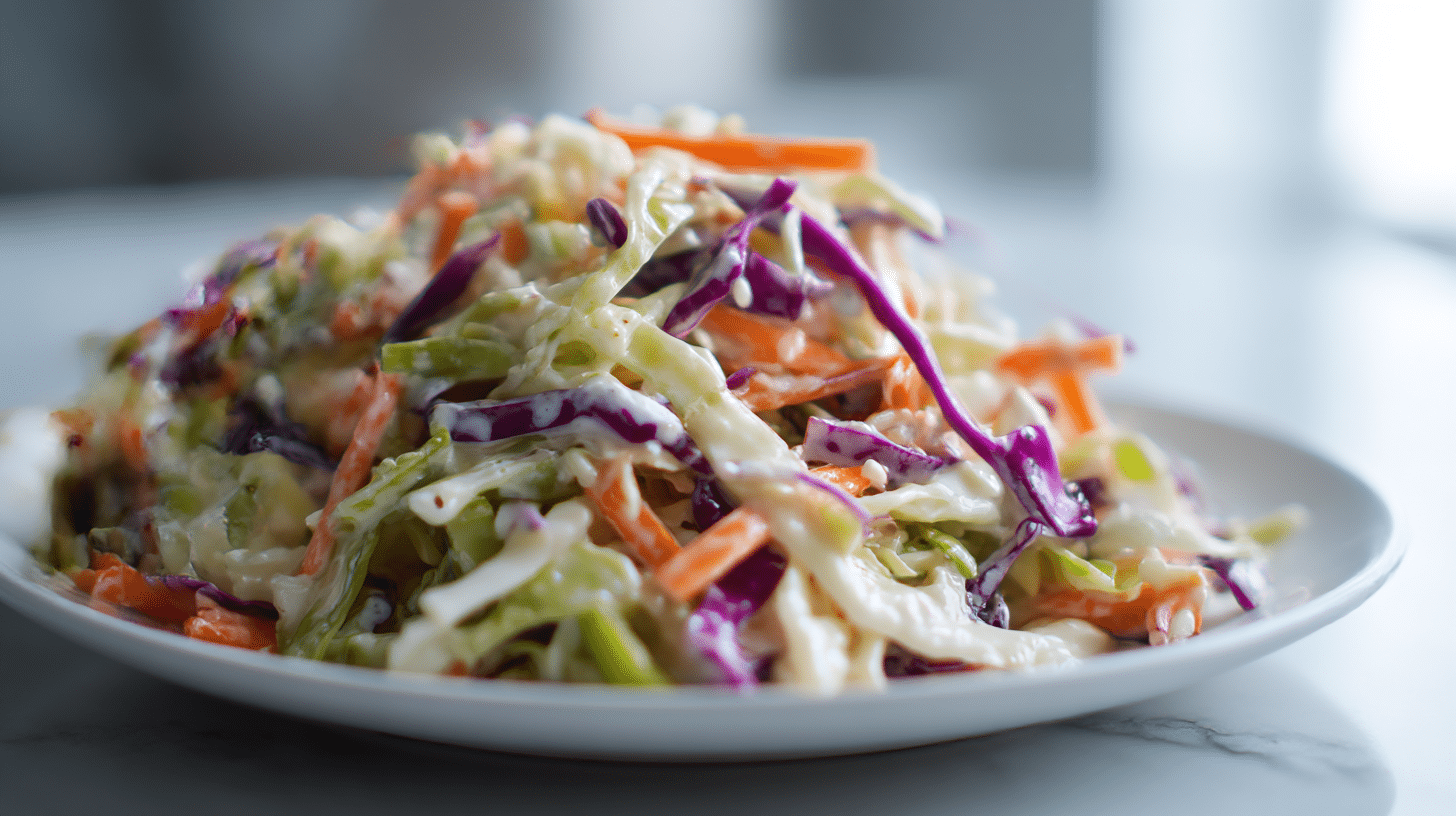

Perfect Coleslaw
Ingredients
Equipment
Method
- Shred the cabbage and any additional veggies using a box grater or food processor.
- In a large bowl, combine the cabbage, carrots, and any aromatics like onions and garlic.
- In a separate bowl, whisk together mayonnaise, apple cider vinegar, sugar, mustard, and lemon juice until smooth.
- Slowly pour the dressing over the veggies, gently folding until well coated.
- Chill for at least 30 minutes before serving to allow flavors to meld.
Nutrition
Notes
Love this recipe?
Give us 5 stars and comment!Essential Ingredients for Perfect Coleslaw
Cruciferous Vegetables
The backbone of any good coleslaw is the veggies, and cabbage takes center stage here. Go for a mix of green and purple cabbage for some color. Feel free to throw in shredded carrots or broccoli for extra crunch and nutrients. Aim for about 500g of cabbage to serve four people.
Aromatics and Flavor Boosts
To make your coleslaw stand out, think about adding onions, garlic, or even jalapeños for a little kick. Just chop or grate them finely; you want flavor without overwhelming bites. About 50g of onions or one small garlic clove goes a long way in enhancing the taste without stealing the spotlight.
Dressing Components
Your coleslaw dressing is key—this is where the best flavors come together. Use mayonnaise (250g) as a base, and you might want to add yogurt for creaminess or apple cider vinegar (30ml) for a sharp note. Don’t forget a little sugar (10g) to balance the tartness!
Seasoning Essentials
Salt and pepper are your go-to seasonings, but why not add more? A splash of lemon juice (15ml) can brighten it up, and a teaspoon of mustard can add depth. Remember to taste as you go; you’ll find the right balance quickly.
Preparation Techniques That Shine
Shredding Techniques
Shredding your veggies correctly is essential for great coleslaw. You can use a box grater, mandoline, or a sharp knife. Aim for thin, even pieces so everything marinates well. If you have a food processor, that can save you some time—just be careful not to mush them!
Mixing Method
Once your veggies are prepped, it’s time to mix. Toss the cabbage and carrots in a big bowl, then add your aromatics. Gradually stir in your dressing, making sure every strand is coated. Tip: A gentle fold rather than a vigorous stir will help keep your veggies crisp.
Chilling Process
For the best flavor, let your coleslaw chill for at least 30 minutes in the fridge. This gives the dressing time to soak into the veggies. Want to serve it nice and cold? Aim for about 1 hour of chilling time; just try not to let it sit for over 2 hours before serving to keep that crunch.
Crafting the Perfect Dressing
Emulsification Process
Making a smooth dressing is important for coated coleslaw. Start by whisking together your mayo, vinegar, and sugar in a separate bowl. Then, while whisking continuously, drizzle in some oil to combine everything smoothly. Patience pays off here.
Balancing Flavors
Taste is everything. After emulsifying, try a bit of your dressing. If it’s too sweet, add a dash more vinegar. If it’s too rich, throw in some water. Aim for a balanced flavor that complements the veggies nicely.
Adjusting Consistency
If your dressing is too thick, thin it out with a little water or milk. On the other hand, if it’s too runny, mix in a bit more mayo or yogurt (about 30g). You want it to coat the veggies well without them swimming in sauce!
Timing and Serving Tips
Chilling Time
As mentioned, letting your coleslaw chill is key. Ideally, aim for about 30 to 60 minutes. But remember—the longer it sits, the softer the vegetables will get. Timing is important to keep that crunch intact!
Serving Temperature
Coleslaw tastes best when served cold, around 5°C to 10°C (41°F to 50°F). If it warms up too much, it can get soggy. Keep it chilled right up until serving for that crisp, fresh bite everyone loves.
Holding Period
If you need to hold your coleslaw for more than a couple of hours, think about keeping the dressing separate. Add it just before serving to keep the texture and flavor intact. It’ll stay fresh in the fridge for about 3-5 days, but the sooner you eat it, the better!
Creative Coleslaw Variations
Different Vegetables
Don’t just stop at cabbage! You can use kale, Brussels sprouts, or even radishes for interesting textures. Chop them finely—aim for about 450g total. Color and crunch are great friends in this dish!
Dressing Options
Feeling a bit daring? Try a vinaigrette made with olive oil and lemon juice instead of a creamy dressing. For a unique twist, a peanut sauce or yogurt-based dressing can introduce new flavors. Just keep everything balanced—it’s all about harmony!
Flavor Enhancements
Want an extra zing? Think about adding dried fruit like raisins or nuts for added crunch. Fresh herbs like cilantro or parsley can also bring freshness. Just remember to adjust your seasoning as needed when you introduce new ingredients.
Common Troubleshooting Tips
Wilted Cabbage
If your cabbage has wilted, it’s usually due to too much liquid. Fix it by spreading the veggies on a towel to drain for a while. You can also add some fresh cabbage to balance out the textures.
Excessive Liquid
A soup-like coleslaw is a no-go! If your coleslaw is releasing too much liquid over time, just drain it off and mix in some shredded cabbage to soak it up. Sometimes, a sprinkle of salt helps draw out moisture—just don’t go overboard!
Flavor Imbalance
If the flavor of your coleslaw feels off, check your balance. Too sweet? Add a splash of vinegar. Too tangy? A spoonful of sugar can help. Always taste before you serve—it’s the difference between “meh” and “wow!”
Texture Issues
If your coleslaw is too mushy, it might have been mixed too hard or has sat too long. Keep those cuts clean and avoid mixing until just before serving. For a fresh approach, consider slicing your veggies right before it’s time to gather everyone around the table!
For more tips on preparing coleslaw, check out additional resources!

Step-by-Step Video: Love & Best Dishes: Easy Coleslaw Recipe | How to Make the …
FAQ – coleslaw
- How do I cut cabbage for coleslaw?
- Use a sharp knife to slice the cabbage into quarters, remove the core, and then shred it thinly, aiming for uniformity.
- Can I make coleslaw in advance?
- Yes, but dress it shortly before serving to maintain crispness. Chilling can enhance flavors.
- What if my coleslaw is too watery?
- Drain excess liquid and adjust the dressing. Avoid over-salting the veggies before mixing.
- How do I balance flavors in coleslaw?
- Start with a basic dressing and taste as you go; adjust acidity and sweetness until it’s balanced.
Before you start cooking…
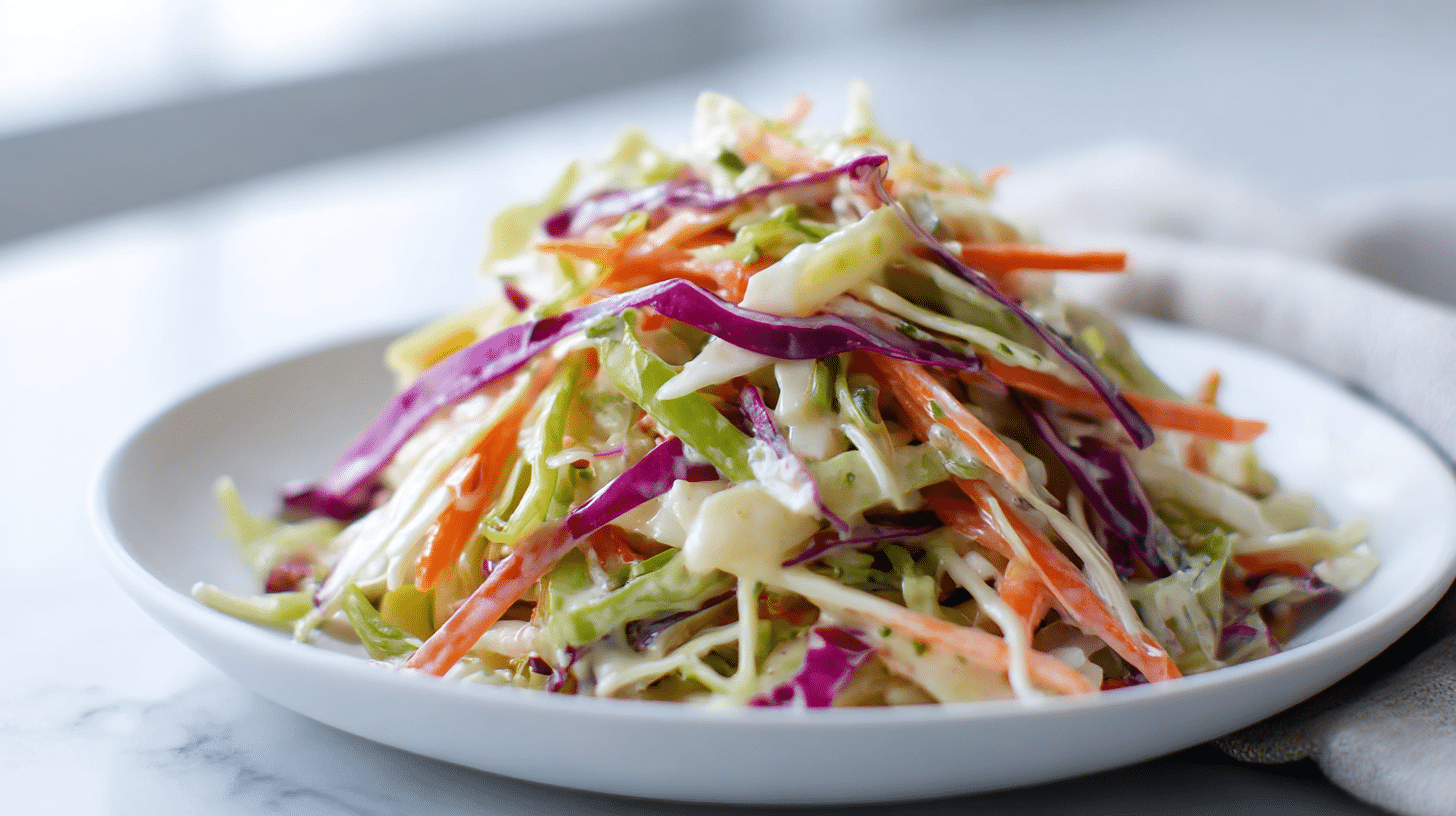
Finally nailing the coleslaw game feels like a victory dance in the kitchen! Your creation boasts vibrant shades, a satisfying crunch, and a dressing that never overpowers — it sings harmony. Now imagine that first bite, the cool freshness bursting with flavor hitting your palate like a high-five. Whether it’s a picnic or a barbecue, you’ll feel the triumph of serving something that’s both beautiful and delicious. Now it’s your turn — make it bold, make it yours!