Gordon Ramsay Poached Salmon Recipe
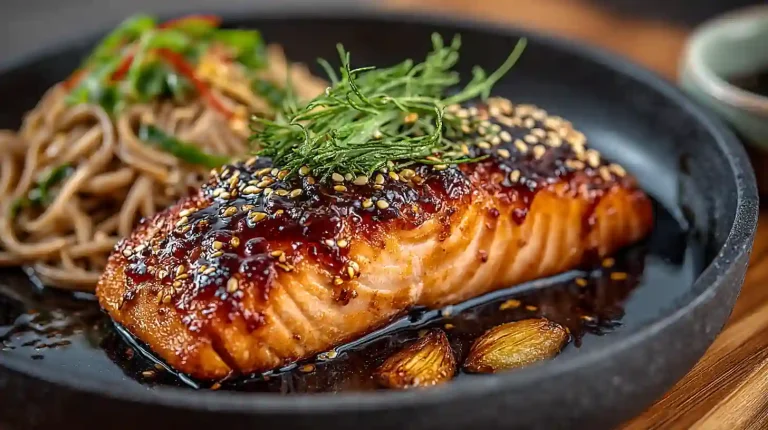
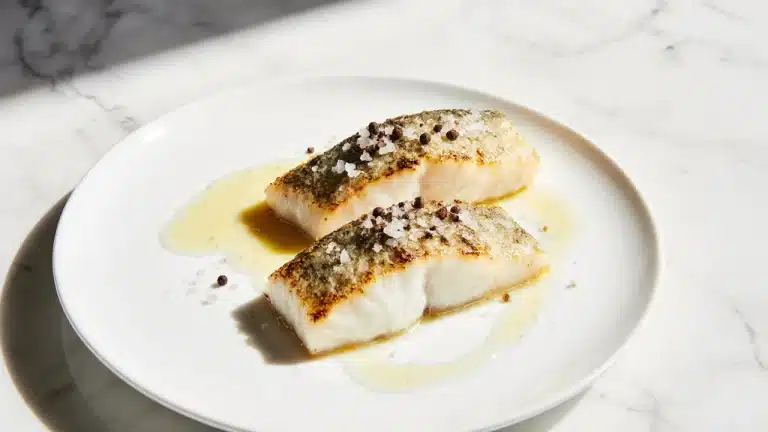
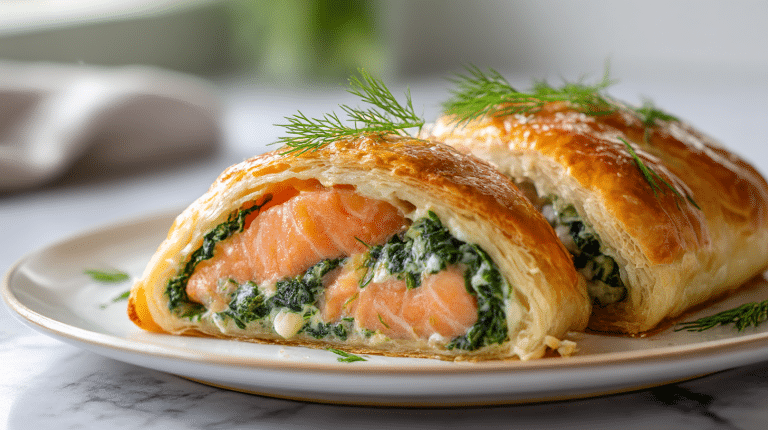
Gordon Ramsay poached salmon is where your culinary journey goes from ‘meh’ to ‘magnificent’ in a matter of minutes. I’ll never forget the first time I overcooked my salmon into an unrecognizable, salty mess—thankfully, Ramsay’s strategy turned my kitchen blunders into culinary victories. This poached salmon recipe is all about fresh, vibrant flavors that glide on the palate, saving you prep time while boosting your confidence in the kitchen. With a few simple ingredients and my foolproof poaching technique, you’ll have a dish that looks as good as it tastes. Forget about that fishy disaster; let’s turn you into a poaching pro!

Recipe at a Glance – gordon ramsay poached salmon


Perfect Poached Salmon
Ingredients
Equipment
Method
- Start by boiling your poaching liquid (white wine, water, or stock) with smashed garlic, fresh herbs, and lemon slices in a large deep pan.
- Once boiling, reduce heat to just below simmering; it should be hot but not bubbling excessively.
- Gently lower the salmon into the poaching liquid. Cook on stove for 10-12 minutes until it reaches a core temperature of 50-55°C (122-131°F).
- Alternatively, for air fryer, set to 90°C (194°F) and cook for 15-20 minutes.
- To check for doneness, slide a fork into the thickest part of the fillet; it should flake easily. If it’s still translucent, cook for a few more minutes.
- For crispy skin, quickly sear the salmon skin-side down in a hot skillet for 1-2 minutes just before serving.
- Serve poached salmon drizzled with dill sauce alongside roasted vegetables.
Nutrition
Notes
Love this recipe?
Give us 5 stars and comment!Essential Ingredients for Perfect Poached Salmon
Choosing Your Protein
The star of the show is the salmon. For a Gordon Ramsay poached salmon recipe, go for fresh, skin-on fillets—ideally about 150-200g per person. Look for salmon that’s bright in color and feels firm to the touch. Avoid fish that feels mushy or looks dull.
Flavorful Aromatics
Herbs and spices can make your dish shine. Fresh dill, parsley, or thyme work wonders. Toss in a couple of smashed garlic cloves and a pinch of peppercorns for extra flavor. These ingredients not only season the fish but also add character to the poaching liquid.
Selecting the Poaching Liquid
Water isn’t your only option! You can create great flavors with white wine, stock, or even herbal teas. A mix of water and a splash of white wine with some lemon slices gives a classic touch. Keep it light! Too much acidity can overpower the salmon.
Including Sauce Components
While your salmon doesn’t need much, a drizzle of poached salmon with lemon and herbs takes it up a notch. A simple dill sauce or a tangy yogurt-based dip is a great choice. Don’t complicate things; sometimes less really is more when it comes to flavor!
Mastering the Poaching Technique
Setting Up Your Poaching Liquid
Start by boiling your chosen poaching liquid in a large, deep pan. Add aromatics like herbs, garlic, and citrus. Once it reaches a boil, reduce the heat until it’s just below simmering. It should be hot but not bubbling like a volcano!
Poaching Methods: Stove vs. Air Fryer
You can poach on the stove or try an air fryer to get that perfect texture. For the stove, gently lower the salmon into the simmering liquid. If using an air fryer, set it to 90°C (194°F) for about 15-20 minutes.
Monitoring Temperature and Timing
Aim for a core temperature around 50-55°C (122-131°F) for medium-rare salmon. Use a reliable meat thermometer. Timing is key; plan for 10-12 minutes on the stovetop. Keep a close eye on it!
Confirming Doneness
To check if it’s done, slide a fork into the thickest part of the fillet. It should flake easily. If it’s still translucent, give it a couple more minutes. Remember, overcooking turns salmon into dry flakes, and nobody wants that!
Avoiding Common Poaching Pitfalls
Stopping Overcooking Before It Happens
Overcooking is the number one mistake when poaching. Keep that liquid temperature steady. If you see bubbles, your salmon is at risk!
Keeping a Gentle Simmer
A gentle simmer is vital. Too vigorous, and you’ll end up with a gummy mess. If you see your liquid raging, turn down the heat. You want just enough heat to keep it warm, not boiling.
Using the Right Ingredients
Using old or low-quality salmon will spoil your dish. Make sure your salmon is fresh, and don’t skimp on the aromatics. They make a significant difference! Embrace quality ingredients—even if that means skipping the fancy stuff.
Getting That Crispy Skin
If you want crispy skin, a quick pat in a hot pan after poaching works. Sear skin-side down for 1-2 minutes just before serving. The contrast of soft inside and crispy outside brings your dish to life.
Creative Variations and Serving Ideas
Regional American Flavors
Infuse local flair by adding spices like Cajun seasoning or even a bit of maple syrup to the poaching liquid. This adds a new charm akin to Southern cooking.
International Inspirations
Experiment with global flavors. Add soy sauce and ginger for an Asian twist or use saffron and fennel for a Mediterranean approach. The culinary options are wide open!
Suggested Side Dishes
Keep it simple. Pair poached salmon with roasted veggies or a light salad. Consider quinoa or couscous as a grain that matches beautifully. A dollop of herbed butter enhances the experience.
Meal Prep for Busy Nights
Poached salmon is perfect for meal prep. Cook several fillets in advance, chill them down, and store in the fridge. Cold salmon salads are great for quick lunches or dinners!
Nutritional Breakdown of Poached Salmon
Detailed Per Serving Breakdown
A 150g serving of poached salmon offers about 250 calories, with 25g of protein and healthy fats. This fish is an excellent choice for both flavor and nutrition.
Health Benefits of Salmon
Salmon is packed with omega-3 fatty acids, which can boost heart health. It has anti-inflammatory properties and supports brain health. Seriously, it’s a fantastic fish!
Important Vitamins and Minerals
You’ll gain essential nutrients like B vitamins, especially B12, and beneficial elements like selenium and potassium. These contribute to overall well-being, so enjoy it without guilt!
Caloric Considerations
Don’t avoid the fat content—most of it is the healthy kind! Just watch out for sauces and sides that can add calories. Balance is important!
Helpful Cooking Tips
Smart Storage and Make-Ahead Options
Store leftover poached salmon in an airtight container in the fridge for up to 3 days. Reheat gently to avoid overcooking. You can also freeze it, but be sure to separate the fillets with parchment to prevent sticking.
Comparing Cooking Techniques
Poaching keeps moisture in—unlike grilling or roasting, which can dry out fish. Each method has its advantages, but poaching is best for preserving the fish’s natural flavor.
Cooking from Frozen Salmon
You can certainly poach frozen salmon! Just increase the cooking time by a few minutes, ensuring it reaches that perfect internal temperature. Thaw if possible for the best results, though.
Selecting the Best Salmon Varieties
Look for trustworthy brands or sustainability labels when picking your salmon. Wild-caught Alaskan salmon is often considered the best, but farmed varieties can be great if raised responsibly. Quality matters!

Step-by-Step Video: How to Poach and Flavour Salmon | Gordon Ramsay
FAQ – gordon ramsay poached salmon
What internal temperature should poached salmon reach?
Remove salmon at about 125–130°F for medium or 140°F for well-done; carryover will raise temperature slightly.
Can I poach salmon ahead for meal prep?
Yes — fully cool, portion, and refrigerate for up to 3–4 days; serve chilled or gently rewarm.
How do I get crispy skin if I poach?
After poaching, pat skin dry and sear in a hot skillet for 1–2 minutes until crisp.
Is poached salmon healthy?
Yes — poaching preserves nutrients with minimal fat; salmon is a great source of protein and omega-3 fatty acids.
Is Gordon Ramsay’s poached salmon different?
Ramsay’s technique involves an aromatic court bouillon for a silky texture, but core methods are consistent.

Before you start cooking…
You did it! Your salmon is perfectly poached, with that luscious, silky texture and delicate flavor that even Ramsay would nod in approval of. It’s that stunning combo of being healthy while also indulgent—who knew you could feel like a kitchen rockstar so easily? Now, imagine the delightful aroma of herbs filling your kitchen as you plate up your masterpiece for dinner. It’s time to take this recipe and make it your own, adding your own flair while relishing each flake of perfectly cooked fish. Now it’s your turn — make it bold, make it yours.