Gordon Ramsay Pie Crust Recipe
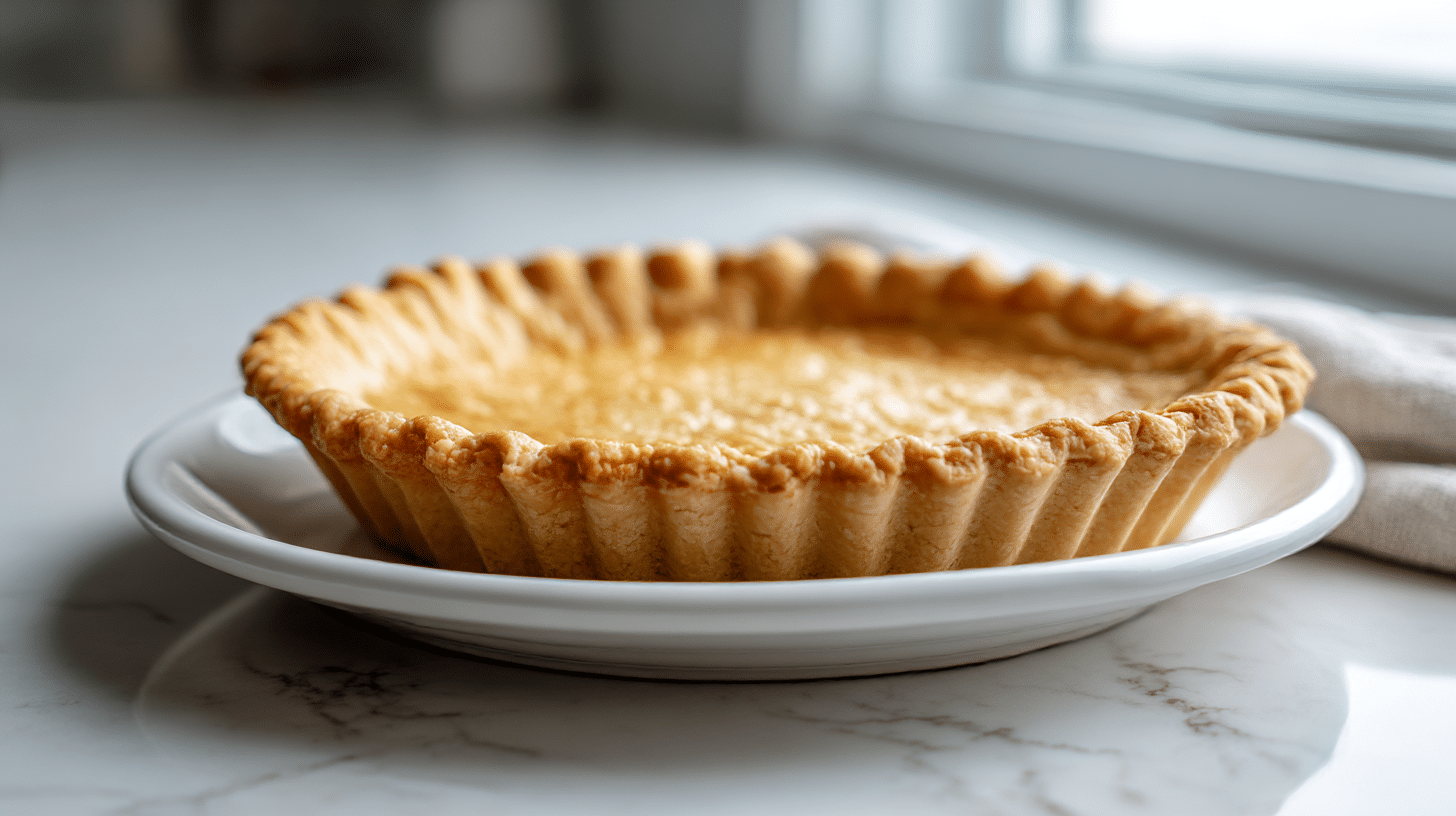
Gordon Ramsay pie crust was a game changer for me. I was tired of my pies turning out like they belonged in a horror film, all soggy and sad. But once I finally nailed the technique, everything changed. This crust is quick to prepare, keeping the flavor sky-high and the stress surprisingly low. I’m here to share the magic of flaky, rich crust that transforms every pie into a slice of heaven. With a few simple tips and some elbow grease, we’ll make sure your pie crust is the star of the show, not a sad afterthought.
Recipe at a Glance – gordon ramsay pie crust


Gordon Ramsay Pie Crust
Ingredients
Equipment
Method
- Pulse together the flour and salt in a food processor. Add cold butter and pulse until you see pea-sized pieces.
- Slowly drizzle in ice-cold water while pulsing until the dough comes together. Scoop out and form into a disk.
- Wrap the dough in plastic and chill for at least 30 minutes to relax the gluten.
- Flour your surface and roll out the dough to about 3mm thick. Ensure even thickness for uniform baking.
- Preheat oven to 180°C (350°F). Line dough with parchment and weigh down with baking beans for blind baking.
- Bake for 15 minutes, remove weights, and bake for another 10-15 minutes until golden brown.
Nutrition
Notes
Love this recipe?
Give us 5 stars and comment!Understanding Gordon Ramsay Pie Crust
Shortcrust vs Tart Crust vs Rough-Puff
When it comes to pies, knowing the difference in crust types is key. Shortcrust is rich and crumbly, making it great for both savory and sweet fillings. Tart crust is firmer, often butterier, and holds its shape well for open-faced tarts. Rough-puff pastry offers a combination of flaky layers from puff pastry but requires less effort, perfect for those of us who want flakiness without the fuss.
Nutrition Insights
A single slice of pie can have anywhere between 200 to 400 calories, based on the crust and filling. Keeping butter to a minimum can help cut down on fat while still delivering flavor. By choosing whole-wheat flour over all-purpose flour, you’re sneaking in some fiber. Balance is important—adding fruit or veggies to your filling boosts nutrition.
Preparation Methods Summary
I can whip up a tasty Gordon Ramsay pie crust using a couple of different methods. The classic oven method ensures even baking at 180°C (350°F). For those busy days, I recommend using a food processor; it greatly reduces mixing time. If I want a crispy texture, air-frying works well too, just be sure to maintain lower temperatures for the best results.
Essential Ingredients for the Crust
Key Components
To create a solid pie crust, gather 250g of all-purpose flour, 125g of unsalted butter, and a pinch of salt. Cold ingredients are essential because they help keep the butter solid, resulting in a flakier crust. Water should be ice-cold—around 60ml should do the trick. Don’t overlook adding some acid like vinegar, as it can improve texture.
Optional Ingredients
For extra flavor or variation, think about adding a little sugar (about 15g) for sweet pies or some herbs for savory ones. Almond flour can bring a unique taste and texture. Some folks like to toss in an egg yolk for richness in their tart crust. Just remember, every addition can shift the final outcome.
Common Equipment Needed
Having the right tools makes pie-making a breeze. You’ll need a mixing bowl, a food processor (if you’re choosing that method), a rolling pin, and either a tart pan or pie dish. A pastry brush for egg washes, a bench scraper for dough handling, and parchment paper for baking are great to have on hand. A good rolling pin is a worthy investment; it really makes a difference.
Step-by-Step Crust Preparation
Making Dough in Food Processor
Begin by pulsing together the flour and salt in your processor. Add in the cold butter cut into cubes and pulse until you see pea-sized pieces. Slowly drizzle in the ice water while pulsing until the dough starts to come together. Avoid over-mixing; this is the secret to a tender crust. Scoop it out and shape it into a disk.
Chilling and Rolling Out Dough
Once your dough is formed, wrap it in plastic and chill for at least 30 minutes. This down time helps the gluten relax. When you’re ready, generously flour your surface and roll out the dough to about 3mm thick. Try to maintain an even thickness for uniform baking. If it’s sticky, don’t hesitate to sprinkle with a bit more flour—just don’t go overboard.
Baking Techniques for Crust
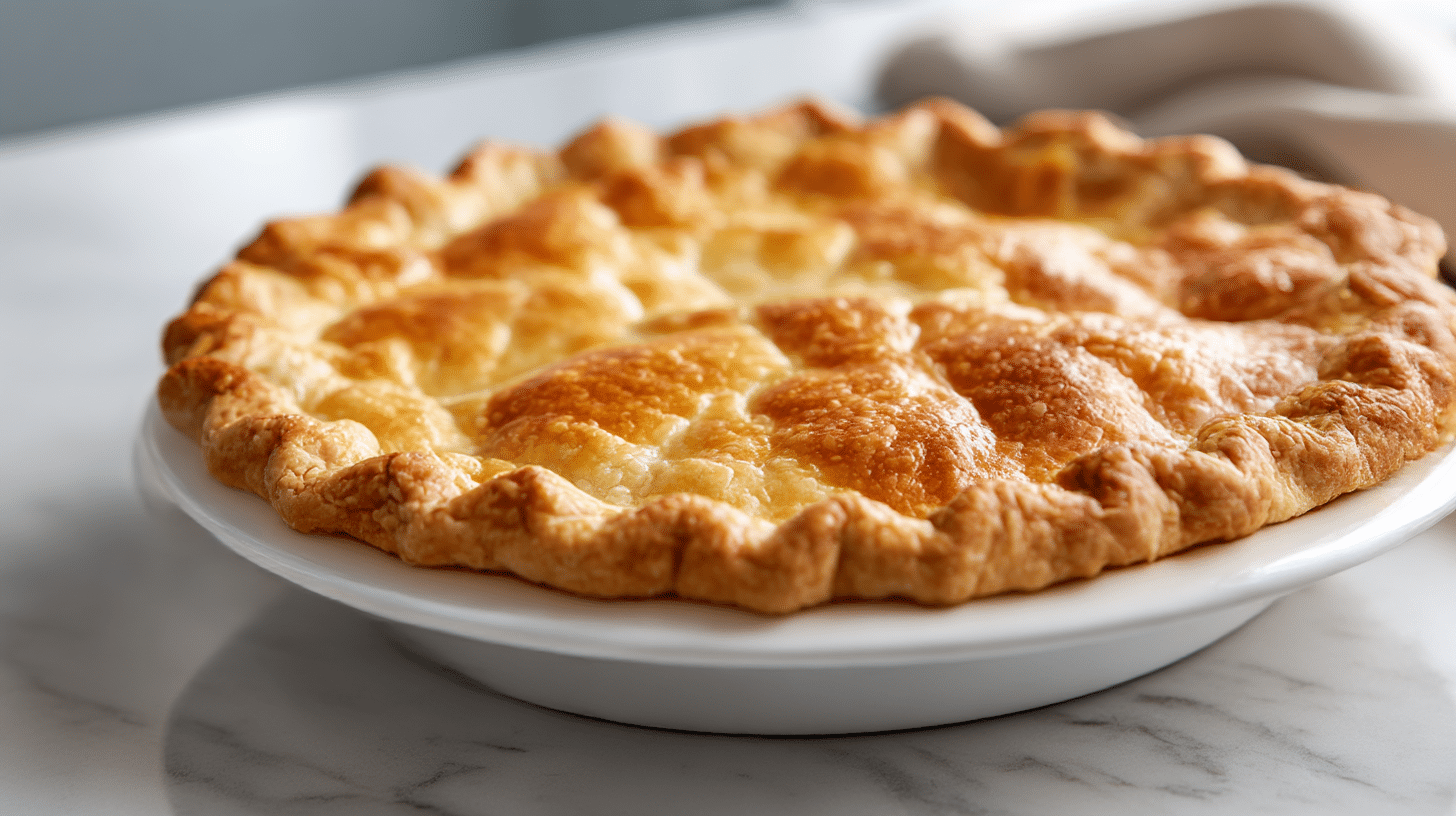
Preheat your oven to 180°C (350°F). Line your dough with parchment paper and weigh it down with baking beans for blind baking. Bake for about 15 minutes, remove the weights, and bake for another 10-15 minutes until golden. If the edges are browning too quickly, cover them with foil. Check your crust temperatures to make sure it’s baked all the way through but not burnt.
Troubleshooting and Tips
Avoiding Tough Crust
A tough crust can ruin a pie, often due to overworking the dough. Remember to mix gently, and if using a food processor, pulse just enough to combine. Keeping ingredients chilled is a must—this helps maintain the butter, resulting in a tender crust.
Preventing Soggy Bottoms
To keep that soggy bottom at bay, always blind-bake your crust for cream pies or fruit fillings, because moisture can seep in. Another tip is to brush the crust with a thin coat of egg wash before adding the filling. This acts as a barrier to help keep the filling from making the crust soggy.
Achieving Flakiness
Flakiness is what we’re after, and keeping those butter pieces visible is key. Even when rolling out, don’t be hesitant to leave a few chunks. Also, chilling your dough again before baking is a good practice. It might feel like extra effort, but trust me, it pays off in the end.
Variations and Shopping Suggestions
Regional U.S. Twists
Regional variations can add a fun twist to your pies. In the South, pecan pie often features a slightly sweeter crust or incorporates cornmeal for added crunch. West Coast styles may include nuts or seeds for flavor. Don’t hesitate to experiment with spices—cinnamon in sweet pies can make a significant difference.
International Adaptations
Draw inspiration from various cultures around the globe; a Mediterranean flair might incorporate feta or olives into the filling within a savory tart crust. In France, consider a Galette style, which is rustic and freeform. Each culture offers unique flavors, so feel free to mix and match in your Gordon Ramsay pie crust!
Recommended Side Dishes
Pair your pie with fresh greens or a simple salad for balance. Creamy potato salads or ragout can complement pies beautifully. And don’t forget a scoop of ice cream or whipped cream to top off sweet pies, because life is too short not to treat yourself!
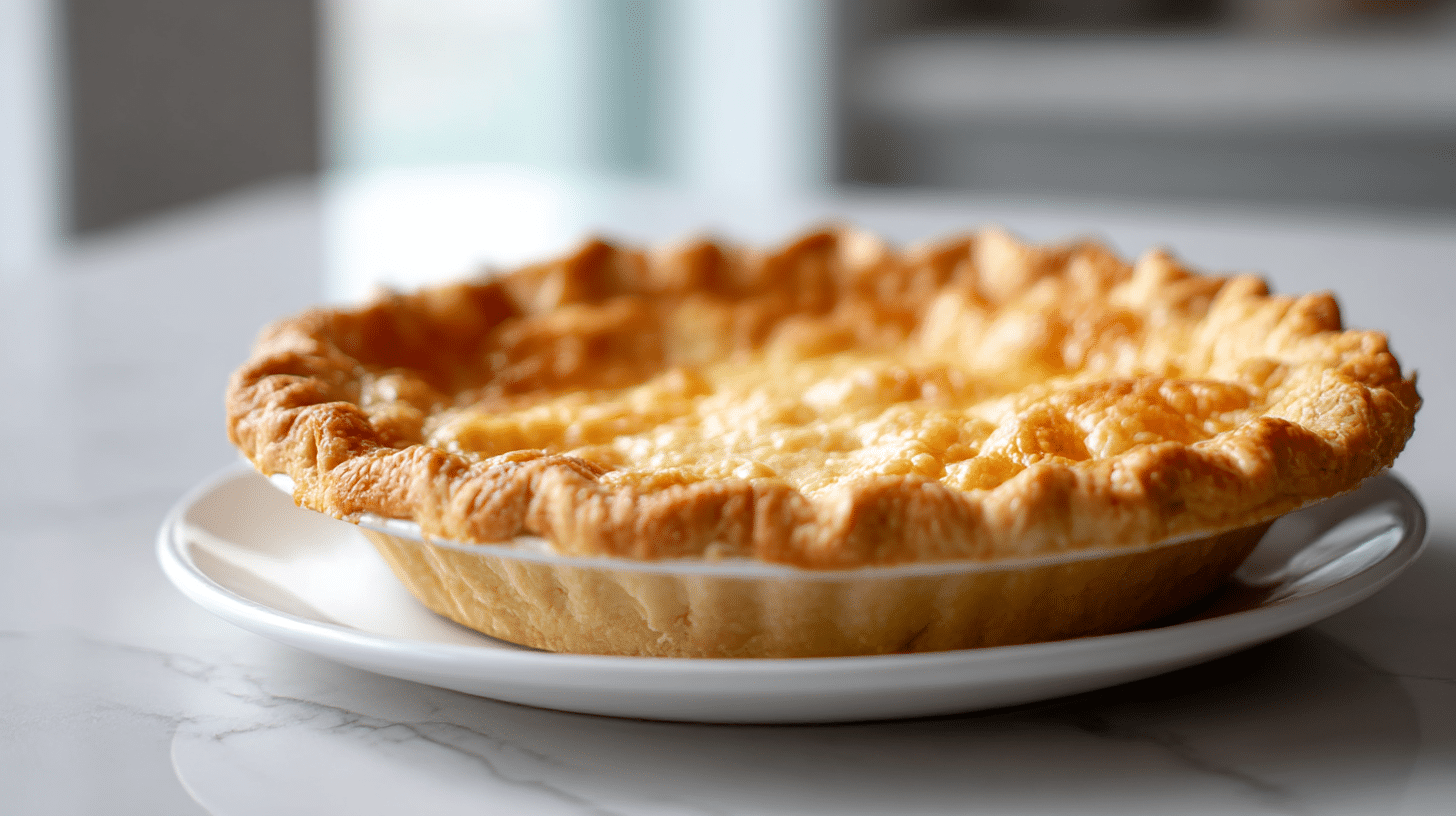
Step-by-Step Video: Gordon Ramsay – How to make shortcrust pastry
FAQ – gordon ramsay pie crust
Is Gordon Ramsay’s pie crust the same as his tart crust?
No, Ramsay’s tart crust uses softened butter, sugar, and egg, while shortcrust uses cold butter for flakiness.
Can I use a food processor like Gordon Ramsay recommends?
Yes, pulsing keeps the butter cold, leading to a flaky crust.
Can I make Gordon Ramsay’s crust ahead of time and freeze it?
Yes, wrap tightly and freeze; thaw overnight before rolling.
Will the crust work in an air fryer?
Small tarts and hand pies work well; full-size pies usually bake better in a conventional oven.
How do I prevent a soggy bottom for fruit pies?
Blind-bake the crust and precook fillings to reduce moisture.
Before you start cooking…
And there you have it! You’re now armed with Gordon Ramsay pie crust techniques that will take your pies from blah to breathtaking. Picture pulling that golden, flaky masterpiece out of the oven—the aroma wafting through your kitchen like a sweet reward for all your hard work. With each slice, you’ll feel the crunch of the crust breaking apart, giving way to a deep, flavorful filling that sings harmony in every bite. Trust me, you’ll be the pie whisperer in your circle. Now it’s your turn — make it bold, make it yours.