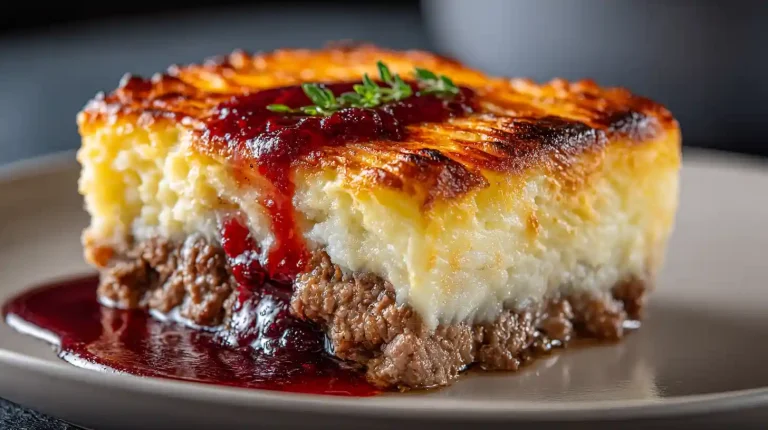
Gordon Ramsay Cote de Boeuf Recipe
Gordon Ramsay cote de boeuf isn’t just a meal; it’s a glorious celebration of beef that will have your taste buds dancing and your friends begging for more. I remember the first time I tackled this cut — I thought I could just slap it on the grill and call it a day. Spoiler alert: I was wrong. But once I learned to master the techniques Ramsay champions, my cooking game skyrocketed! From selecting the perfect piece of meat to nailing that crusty exterior and juicy interior, I’ll guide you through every step. This isn’t just about dinner; it’s about crafting an experience that will make you feel like a culinary rockstar in your own kitchen.

Choosing the perfect cote de boeuf for the best steak night
Size, bone, and grade — what to buy (weights in g and portions)
Buy a bone-in cote de boeuf that’s about 800–1,200 g for two to three people. I plan on 300–450 g per person because this cut is fatty and indulgent.
Thickness matters: aim for at least 3–4 cm (1.25–1.5 in) so you can get a good sear without overcooking the interior. Look for abundant marbling and a bright red colour; the bone should be clean and firm. If you’re feeding one greedy person, a 700–900 g single rib works fine, but for shared theatre go 1–1.4 kg.
Don’t sweat USDA labels if you’re outside the US — judge by marbling and maturity. If the butcher offers dry-aged for 21–35 days, grab it. Dry-aging concentrates flavour and handles a hotter sear better. Ask them to trim excessive fat if you don’t want flames on the grill, but leave a 3–5 mm fat cap — that’s flavour, not a sin.
Trimming, frenched bone, and prepping for the butcher
If the bone isn’t frenched (cleaned of meat and fat), ask for it — it looks better and cooks more evenly. Request roughly 3–4 cm of bone exposed for handling and presentation.
Trim any ragged silver skin or loose connective tissue, but keep the fat cap. A thin, even fat layer (3–5 mm) bastes the meat and helps prevent drying. For home trimming, use a sharp boning knife, follow the bone’s curve, and remove only connective tissue and ragged edges.
If you want a precise serving size, ask for the steak to be weighed after frenched trimming; expect about 10–15% weight loss from trimming. Package and refrigerate immediately at ≤4°C (≤39°F) if you’re not cooking the same day.
Marbling, aging, and why they matter for flavour
Marbling is the white flecks of fat inside the muscle. It melts during cooking and gives the cote de boeuf its juiciness and flavour.
A richly marbled rib cut will take higher heat and longer searing without getting tough. Dry-aging (21–35 days) concentrates umami and softens fibres; wet-aged is fine but less intense. The cote de boeuf sits on the rib and is often called a rib steak.
If you want maximum flavour and have time, plan a dry-aged cote de boeuf. If you’re cooking same-day, prioritise marbling and thickness. Avoid thin, lean cuts for this treatment. Store raw steak chilled and don’t leave it at room temperature for more than 2 hours before cooking for food safety.
Prepping and seasoning the steak — a practical Gordon Ramsay cote de boeuf approach
Bringing the steak to temperature and drying for a perfect sear
Take the cote de boeuf out of the fridge 60–90 minutes before cooking so the core temperature comes closer to room temp; for a 1 kg steak that’s about 60 minutes. Cold meat fights searing and gives a grey band under the crust.
Pat the surface bone-dry with paper towels right before seasoning — moisture ruins a crisp crust. If you’re short on time, let it sit 30 minutes; longer is better. Leaving it uncovered on a rack in the fridge overnight will dry the surface for an excellent crust, but only do that if you planned ahead and wrapped it loosely to avoid contamination.
Simple seasoning, compound butter, and aromatics (precise measures)
For a 1 kg steak, season generously with 10–12 g coarse sea salt and 2–3 g freshly cracked black pepper. Large cuts need more seasoning than you might expect.
Compound butter (finish): combine 100 g unsalted butter (soft), 10 g chopped parsley, 5 g minced garlic (about 1 medium clove), 2 g lemon zest, and 1 g flaky sea salt. Chill the butter log and slice 10–15 g rounds to melt over the resting steak.
For aromatics while basting use 20 g unsalted butter, 2 crushed garlic cloves (6 g), and 10 g thyme sprigs per sear. These quantities suit a roughly 1 kg cote de boeuf; scale up for larger steaks. Measure — eyeballing ruins timing.
Resting before and after cooking — timing and carryover heat
Resting before cooking evens the internal temperature and reduces time-to-target; 60 minutes at room temp for a 1 kg steak is a good rule. After cooking, rest the steak 10–15 minutes tented loosely with foil; this matters because carryover cooking will raise internal temp by about 3–5°C (5–9°F).
During the rest, top the steak with a pat of compound butter for flavour and sheen. Don’t skip the rest — slicing too early sends the juices onto the board and wrecks texture. Use a meat thermometer for precision; it’s the difference between “restaurant” and “charred shoe”.
Comparing cooking methods — oven, pan, grill, and air fryer for cote de boeuf
Cast-iron pan + oven finish — why this is the reliable method
Cast-iron sear then oven finish is the most forgiving method for a thick cote de boeuf. Preheat the oven to 180°C (350°F) and heat a 25–30 cm cast-iron skillet until it’s just smoking (surface roughly 230–260°C).
Sear 2.5–3 minutes per side for a 3–4 cm steak, then add aromatics and transfer to the oven for 6–12 minutes depending on thickness and desired doneness. Use an instant-read thermometer: pull at 52°C (125°F) for rare finish, 55°C (131°F) for medium-rare, 60°C (140°F) for medium. Let the steak rest 10–15 minutes before slicing.
Grill method — direct sear plus indirect finish for smoky char
On a gas or charcoal grill, set up two zones: high direct heat and an indirect cooler zone (about 160–180°C). Sear the cote de boeuf over direct heat 3–4 minutes per side for a deep char, then move to indirect heat for 10–20 minutes until the internal temp reaches target.
Charcoal gives the best smoke; add soaked wood chips or chunks if you want more. Avoid flare-ups — trim excessive fat or keep a cooler zone to move the steak if flames spike. Rest 10–15 minutes before slicing and cut against the grain for tenderness.
Air fryer and quick methods — when they work and when they don’t
An air fryer will do the job in a pinch, but space and airflow matter. Use a high-capacity model and preheat to 200°C (392°F).
Sear for 3–4 minutes per side if your air fryer has a sear mode, otherwise roast at 200°C for 12–18 minutes for a 3–4 cm steak, checking internal temp often. Results won’t match a cast-iron or grill crust unless you finish under a high broil or do a quick pan-sear afterward. Don’t crowd the basket — it will steam rather than sear.
Sous-vide mention and quick comparison (precision temps)
Sous-vide gives the most precise control: vacuum-seal steak with aromatics and cook at 52°C (125°F) for medium-rare for 1.5–3 hours for a 3–4 cm steak. Finish with a hot pan sear 45–60 seconds per side to develop the crust.
Quick comparison: sous-vide = precision, pan+oven = theatre and crust, grill = smoke and char, air fryer = convenience. If you want one reliable method at home, pan sear + oven is the safest, tastiest compromise.
Pan-sear then oven-finish recipe — exact steps, times, and temps
Ingredients and tools with precise measures for 2–3 people
Ingredients: 1 kg bone-in cote de boeuf (3–4 cm thick), 12 g coarse sea salt, 3 g cracked black pepper, 20 g neutral oil (grapeseed or vegetable), 20 g unsalted butter for basting, 2 cloves garlic (6 g) crushed, 10 g fresh thyme sprigs. Compound butter: 100 g unsalted butter, 10 g parsley, 5 g minced garlic, 2 g lemon zest, 1 g flaky sea salt.
Tools: 25–30 cm cast-iron skillet, tongs, instant-read thermometer, oven preheated to 180°C (350°F), carving board, sharp slicing knife. Measure your salt — over- or under-seasoning kills the cut.
Step-by-step cook: sear, baste, oven finish with times
- Preheat oven to 180°C (350°F). Bring steak to room temp for 60 minutes. Pat dry and season with 12 g sea salt and 3 g pepper.
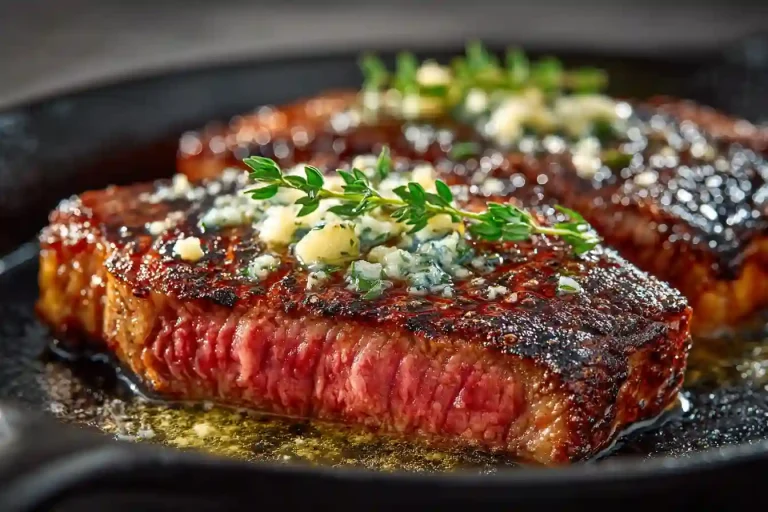
- Heat cast-iron until just smoking (~230–260°C). Add 20 g oil. Sear steak 2.5–3 minutes per side to form a dark crust. Sear the edges 30–45 seconds each to render fat.
- Add 20 g butter, garlic, and thyme; baste for 30–60 seconds. Transfer skillet to oven.
- Oven time: 6–12 minutes depending on thickness—check internal temp at 6 minutes. For a 3–4 cm steak, expect about 8–10 minutes for medium-rare. Pull when thermometer reads 52–55°C (125–131°F).
- Rest 10–15 minutes tented with foil, top with compound butter and slice to serve.
Hitting the doneness targets — exact core temps and tricks
Use an instant-read thermometer in the thickest part without touching bone. Target temps: Rare 50–52°C (122–125°F), Medium-rare 55°C (131°F), Medium 60°C (140°F). Expect 3–5°C (5–9°F) carryover during rest.
If your thermometer lags, test a couple of spots and average the readings. Do not rely on touch unless you’ve practised. If the exterior is dark but the temp is low, tent with foil and finish in the oven at 160°C (320°F) to avoid burning.
Finishing sauces and butter basting — red wine reduction (precise)
Pan sauce: after removing the steak, place the skillet over medium-high heat, add 150–200 ml red wine and scrape the fond for 30–45 seconds. Add 150–200 ml beef stock and reduce to 60–80 ml (about 6–8 minutes), then whisk in 15–20 g cold unsalted butter off the heat to finish. Strain if you like and spoon over sliced steak.
For a quick peppercorn sauce deglaze with 100 ml brandy (flambé carefully) or wine, add 150 ml cream and 10 g crushed peppercorns, simmer until thickened (3–5 minutes), then stir in 15 g butter. Taste and correct salt at the end — reductions concentrate flavour.
Common mistakes with cote de boeuf and how to fix them
Grey banding, lack of crust, and how to prevent/repair them
Grey banding comes from searing cold meat or overcrowding the pan. Prevent it by bringing the steak to room temp and making sure the pan is smoking hot before the steak hits the surface.
If you already have a grey band, hit the exterior with a hot broil or a quick blow-torch to re-crisp, then slice thinly and serve with a bold sauce to distract from tone. For a poor crust, use oil for the initial sear and add butter toward the end for flavour.
Overcooked or undercooked — rescue methods that actually work
Undercooked but very rare: if the outside is crusted but the center is too rare, return to a medium oven (160°C / 320°F) for short intervals of 2–3 minutes and check the internal temp. Overcooked: you can’t put juice back in, but you can salvage flavour — slice thin against the grain and serve with a rich sauce, compound butter, or chimichurri to give the meat moisture and interest.
For a steak only a few degrees over, rest longer and slice thicker to make it seem juicier. Don’t keep reheating whole — it dries out faster; instead, rewarm sauce and slices gently.
Burnt butter, flare-ups, and other practical fixes
If butter burns during searing, remove the pan from heat, discard the burnt fat, wipe the pan with paper towel, and restart with fresh oil to avoid bitter notes. For grill flare-ups, move the steak to indirect heat and let the flames die down. Do not keep forcing the steak into flames — you’ll char the outside before the inside cooks.
If the pan gets too hot, lift the steak out for 30–60 seconds to cool things down, then continue. A small pause saves the meal — frantic flipping only makes texture worse.
Variations, sides, nutrition, and plating for cote de boeuf
Three variations & alternatives (herb crust, peppercorn, chimichurri)
Herb crust: press a paste of 50 g breadcrumbs, 30 g chopped parsley, 15 g chopped thyme, 10 g Dijon mustard, and 10 g olive oil onto a rested steak and blast under a hot broiler for 2–3 minutes for a crunchy finish. Peppercorn: crush 10–15 g mixed peppercorns and press into the surface before searing; finish with a quick cream-peppercorn sauce.
Chimichurri: blend 60 g parsley, 20 g coriander, 10 g red wine vinegar, 60 ml olive oil, 4 g crushed garlic, salt and chile to taste — a bright, acidic counterpoint to fatty beef. Alternatives: use a ribeye on the bone if cote de boeuf isn’t available. For a leaner take, choose a sirloin on the bone but reduce cook times — it’s less forgiving.
Two to three serving suggestions and plating tips
Classic pairing: roast baby potatoes (200–250 g per person) tossed in duck fat or olive oil and roasted at 200°C for 30–40 minutes until crispy. Add sautéed mushrooms in garlic butter (100–150 g mushrooms) and wilted spinach to finish the plate.
Plating: slice the cote de boeuf across the bone into 1–1.5 cm slices, fan them with a pat of compound butter melting on top, spoon sauce around but don’t drown the meat, and finish with sea salt flakes and a few micro-herbs. Keep it simple — the steak is the hero.
Nutrition, benefits, storage, and food safety (temps, times)
Beef gives high-quality protein, iron, zinc, and vitamin B12. Approximate nutrition for 200 g cooked rib-style steak: ~500–600 kcal, ~40–50 g protein, and ~35–45 g fat (values vary by marbling).
Store raw steak at ≤4°C and use within 3–5 days for chilled fresh cuts; freeze at −18°C for up to 6–12 months. Leftovers: refrigerate within 2 hours in an airtight container and eat within 3–4 days. Reheat gently to an internal temp of 60–65°C for better texture; if safety rules require higher, bring to 74°C. Always use an instant-read thermometer and don’t leave raw meat out more than 2 hours (1 hour if >32°C/90°F). Respect temps — it keeps the night enjoyable, not disastrous.


Gordon Ramsay’s Pan-Sear then Oven-Finish Cote de Boeuf
Ingredients
Equipment
Method
- Preheat oven to 180°C (350°F). Bring steak to room temp for 60 minutes, then pat dry and season with sea salt and pepper.
- Heat skillet until smoking (230–260°C). Add oil and sear steak for 2.5–3 minutes per side, including edges.
- Add butter, garlic, and thyme to baste for 30–60 seconds. Transfer skillet to oven.
- Oven cook for 6–12 minutes based on thickness. Pull when thermometer reads 52–55°C (125–131°F) for medium-rare.
- Rest steak for 10–15 minutes tented with foil and top with compound butter before serving.
Nutrition
Notes
Love this recipe?
Give us 5 stars and comment!Video tutorial: gordon ramsay cote de boeuf
FAQ – gordon ramsay cote de boeuf
What’s the ideal thickness for cote de boeuf?
Aim for 3 to 4 cm (1.25 to 1.5 inches). This thickness allows for a good sear while keeping that juicy interior. Too thin, and you’ll end up with a dry disappointment!
How do I know when my cote de boeuf is done?
Use an instant-read thermometer. For medium-rare, you’re looking for 55°C (131°F). Remember, it’ll carry over another 3 to 5°C while resting, so pull it off the heat a bit early!
Can I cook cote de boeuf in an air fryer?
Sure, but it’s best for smaller cuts. For a proper crust, consider a quick sear in a pan or grill after air frying. Don’t crowd the basket; it’ll just steam instead of sear.
What’s the best way to store leftovers?
Refrigerate any leftovers within 2 hours in an airtight container. Consume them within 3 to 4 days, and when you reheat, aim for an internal temp of 60°C (140°F) for safety and flavor!
Conclusion
Nailing that Gordon Ramsay cote de boeuf is more than just cooking; it’s a cooking triumph where flavor reigns supreme. As you carve into that beautifully seared steak, the aroma wafts through the air, and your taste buds are set for a joyful ride. Picture the rich flavors melting in your mouth, as you realize you’ve hit the sweet spot between tender and juicy. You’ve gone from kitchen zero to hero! So, channel your inner Ramsay and make it bold, make it yours. Those dining with you will be begging for an encore!