Gordon Ramsay Chicken Risotto Recipe
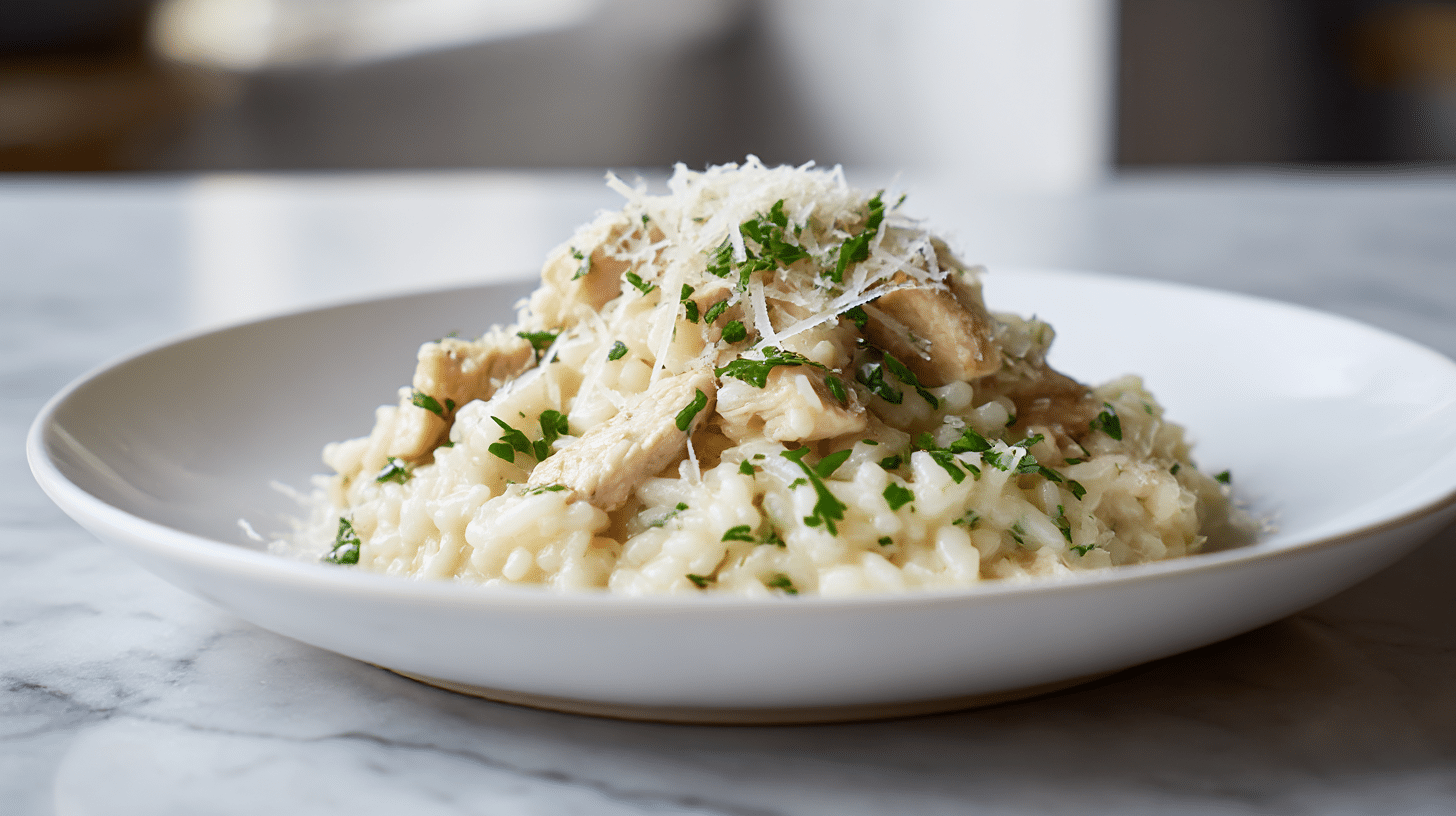
Gordon Ramsay chicken risotto isn’t just food; it’s an experience. I remember the first time I tried to make it — the rice was stiff, the chicken dry, and the flavors flat. A kitchen disaster sweet enough to make me weep. But once I cracked Ramsay’s technique, everything changed. This risotto is dump-your-face-in-good, creamy, and bursting with flavor — not to mention, the confidence boost you’ll get from nailing it. Time to roll up your sleeves; let’s get cooking.
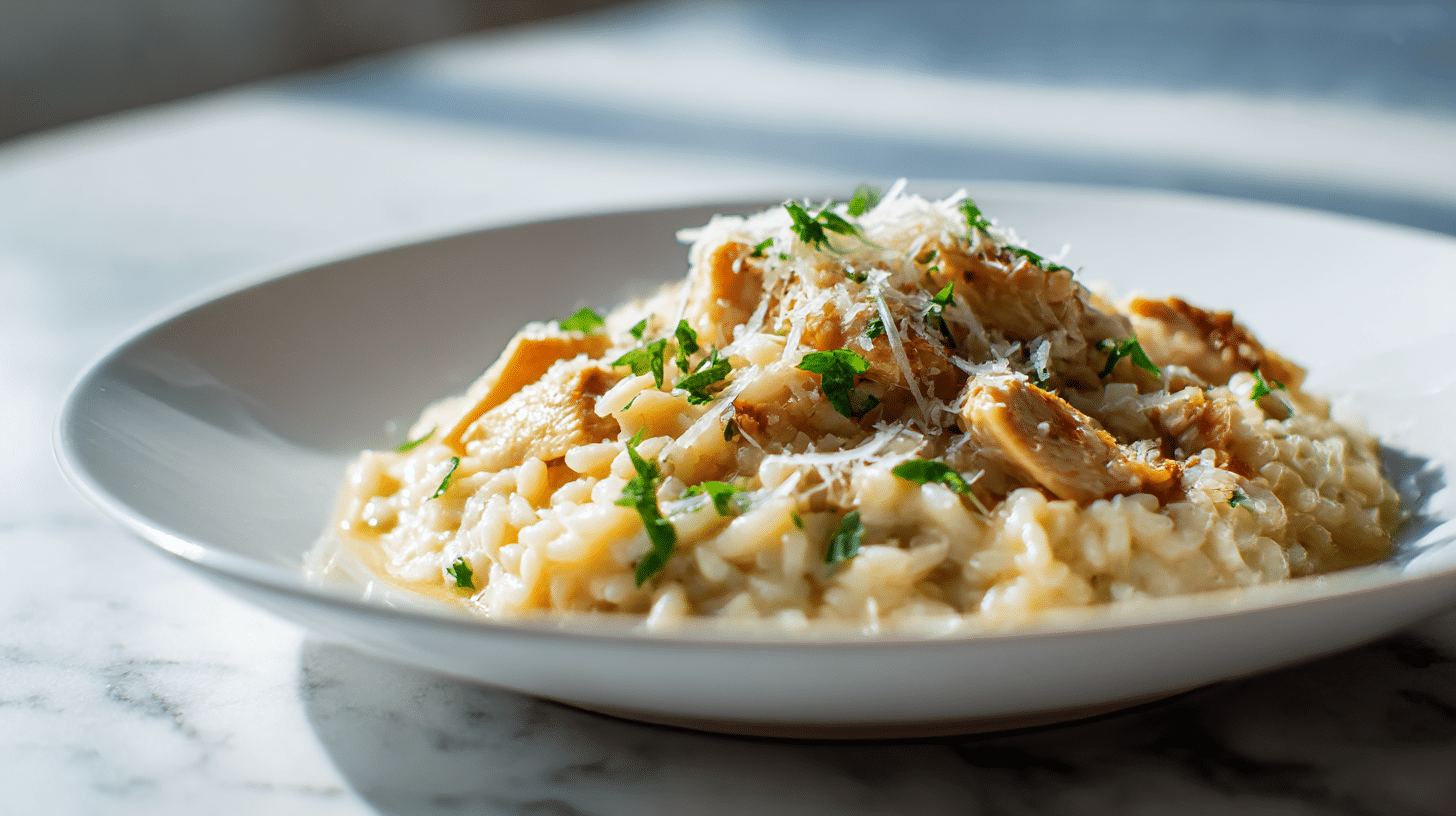
Recipe at a Glance – gordon ramsay chicken risotto


Essential Chicken Risotto
Ingredients
Equipment
Method
- Chop your chicken, onions, and herbs for mise en place.
- Heat a skillet over medium-high heat, add olive oil, and sear chicken for 5-7 minutes until golden.
- In the same pan, sauté chopped onions and garlic for 3-4 minutes until soft and fragrant.
- Add Arborio rice to the pan and toast for about 2 minutes until slightly translucent.
- Gradually add warm broth, one cup at a time, stirring frequently for 18-20 minutes until the rice is al dente.
- Deglaze the pan with a splash of white wine, scraping the bottom, and cook off alcohol for 1-2 minutes.
- Stir in grated Parmesan cheese and butter until combined and creamy.
- Season with salt and pepper to taste.
Nutrition
Notes
Love this recipe?
Give us 5 stars and comment!Essential Ingredients for a Perfect Chicken Risotto
Arborio Rice and Suitable Alternatives
To make a delicious Gordon Ramsay chicken risotto, Arborio rice is essential. This short grain rice is starchy and absorbs liquid well, giving you that creamy consistency. If Arborio isn’t available, you can use Carnaroli or Vialone Nano. Just keep in mind that regular long-grain rice won’t produce the same results!
Choosing the Right Chicken
Freshness is essential when selecting chicken. Use skinless chicken breasts or thighs, as they provide a rich flavor without being too strong. Whenever possible, choose organic or free-range chicken; it really makes a difference in taste and quality.
Broth and Fragrant Ingredients
A tasty broth is a must. Homemade is ideal, but store-bought works just fine when you’re in a hurry. Go for chicken broth to add depth, and include ingredients like onions, garlic, and fresh herbs. These will take your risotto to restaurant-quality levels!
Final Touches: Creamy Goodness with Butter and Cheese
Don’t forget a generous splash of butter and a handful of freshly grated Parmesan cheese. They bring that signature creaminess. Be sure not to skip these—they’re the secret to making the risotto indulgent.
Step-by-Step Guide to Cooking Risotto
Prep Work and Mise en Place
Before you start cooking, get everything in order. Chop your chicken, onions, and any herbs you plan to use. This organization, known as “mise en place,” makes the cooking process easier and more enjoyable.
Searing the Chicken
Heat a pan on medium-high, add olive oil, and sear your chicken for about 5-7 minutes until it’s golden brown. Aim for a nice crust. Make sure not to overcrowd the pan; otherwise, the chicken will steam instead of sear. Let it rest after cooking.
Sautéing the Aromatics
In that same pan, add your chopped onions and garlic. Sauté them for about 3-4 minutes until they’re soft and fragrant. This is where the flavors start to blend, so keep the heat steady—just enough to cook them tender without burning.
Toasting the Rice
Add your Arborio rice to the pan and stir for about 2 minutes. Toasting the rice enhances its flavor and ensures it absorbs the broth better. You’ll know it’s ready when the edges turn slightly translucent.
Gradual Broth Addition
Add a ladle of warm broth and stir frequently, allowing it to absorb. Gradually add broth, about 1 cup at a time, letting the rice soak it in completely each time. This process may take around 18-20 minutes until the rice reaches an al dente texture.
Mastering Timing and Temperature
Cooking Times for Each Step
- Sear chicken: 5-7 minutes
- Sauté aromatics: 3-4 minutes
- Toast rice: 2 minutes
- Add broth: 18-20 minutes
Stick to this plan, and you’ll end up with perfectly cooked risotto.
Keeping Your Broth Warm
Keep your broth at a low simmer in a separate pot. This way, you maintain the right cooking temperature for your risotto. Cold broth might cause the rice to shock and lose that creamy texture.
How to Test Rice for the Perfect Doneness
After about 18 minutes, taste your rice. It should be al dente, with just a bit of bite in the center. If it feels too firm, add a little more broth and continue stirring. Don’t hesitate to taste!
Enhancing Flavors with Sauces and Seasonings
Deglazing with Wine
Once your rice is cooked, splash in some white wine to deglaze the pan, scraping up the tasty bits that have stuck to the bottom. Let it cook for around 1-2 minutes until most of the alcohol cooks off. This adds depth—believe me.
Creamy Indulgence: Adding Cheese and Butter
Once the wine has mainly evaporated, stir in a hefty handful of grated Parmesan and a knob of butter. This will give your risotto a silky texture. Mix until it’s all nicely blended and creamy.
Fine-Tuning Seasoning
Lastly, season with salt and pepper to your liking. Go easy on the salt as you can always add more, but you can’t take it away later. Adjusting seasoning at the end makes sure every bite is just right.
Common Pitfalls and How to Fix Them
Handling Soggy or Gooey Risotto
If your risotto ends up too soggy, you likely added too much broth at once or overcooked it. Next time, add broth gradually and taste frequently to keep it under control.
Issues with Dry Chicken
If your chicken turns out dry, it might have cooked too long or at too high a temperature. Target an internal temp of 75°C (165°F) and remember to let it rest; it will stay moist!
Fixing Flavor Deficiencies
If your risotto is lacking in flavor, consider enhancing your broth or seasonings. You can add more herbs, a squeeze of lemon, or even a dash of garlic powder to boost the taste. Never underestimate seasoning!
Tips for Ingredient Substitutions
Options for Substituting Key Ingredients
Can’t find Arborio rice? No problem! You can use farro or quinoa for a fun twist. If you’re short on chicken, you can swap in shrimp or mushrooms. Being creative with the recipe can lead to fantastic outcomes.
Cooking Techniques You Can Use
You can prepare risotto not just on the stovetop, but also in the oven at 175°C (350°F) or even in a pressure cooker. Just be aware that you’ll need to adjust the liquid amounts and cooking times.
Storing and Reheating Your Risotto
After your risotto is cooked, let it cool down to room temperature and store it in an airtight container. It’ll last about 3-4 days in the fridge. When you’re ready to reheat, add a splash of broth or water to keep it creamy.
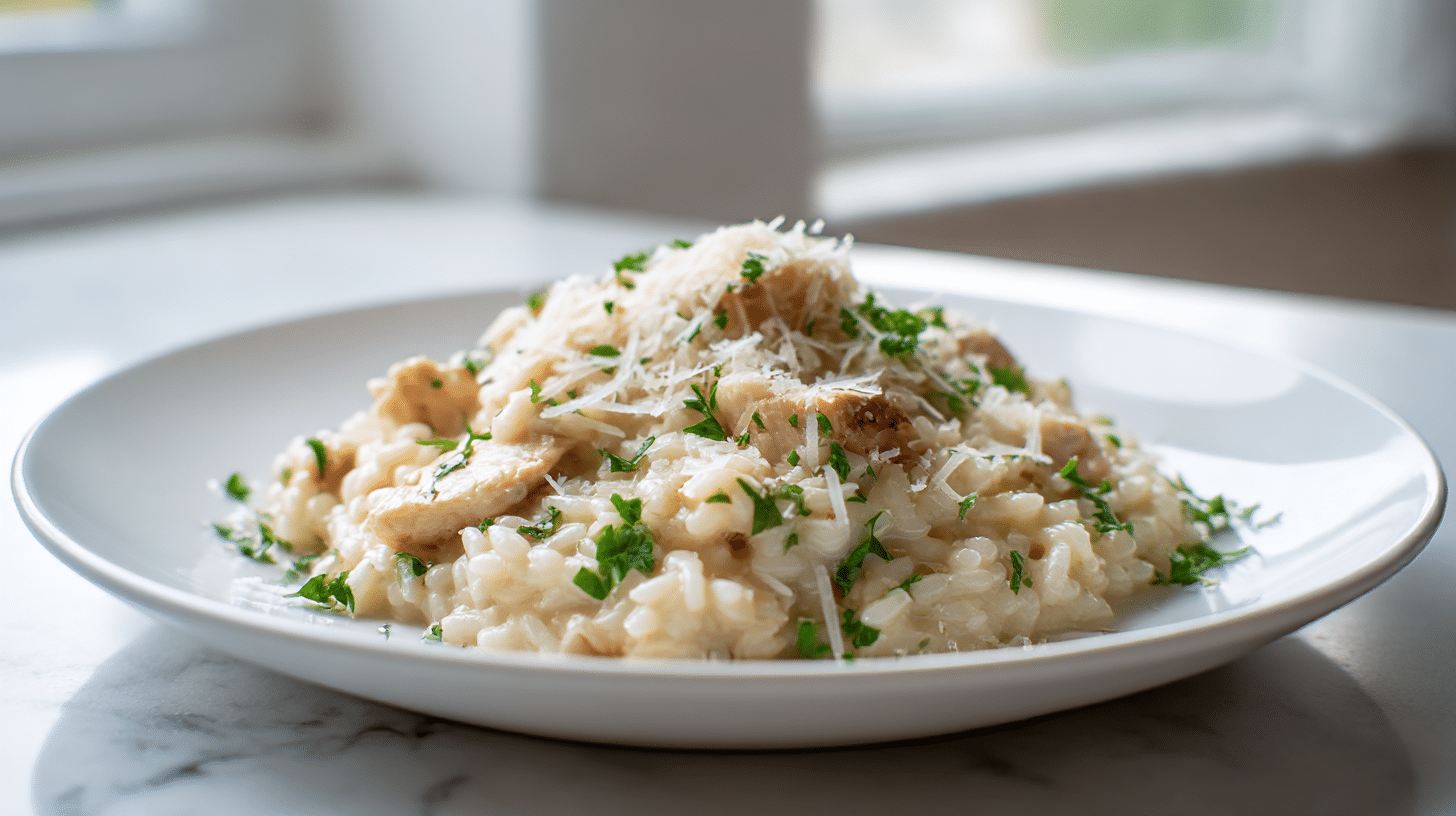
Step-by-Step Video: Gordon Ramsay’s Risotto made at home! With butternut …
FAQ – gordon ramsay chicken risotto
What’s the difference between risotto and regular cooked rice?
Risotto uses Arborio rice, which releases starches as it’s stirred, creating a creamy texture.
Can I use regular long-grain rice instead of Arborio?
No, Arborio is necessary for the creaminess; long-grain won’t provide the same texture.
Why do I keep getting gluey risotto?
This happens from adding broth too quickly; add it gradually while stirring constantly.
Do I have to use wine in chicken risotto?
Wine is optional, but it adds flavor; you can substitute more broth if preferred.
Can I make risotto ahead of time?
Prep ingredients beforehand, but cook risotto fresh. You can finish it quickly when ready to serve.
Before you start cooking…
Now you’ve got the secret sauce to Gordon Ramsay chicken risotto, and I won’t lie – your kitchen is about to smell amazing. Picture it: creamy rice, tender chicken, and all those incredible aromas swirling around. Once you nail the timing and flavor, it’s like a warm hug on a plate. Remember, you’re not just cooking, you’re creating magic. Go ahead, serve it up and watch the faces light up. Now it’s your turn — make it bold, make it yours.