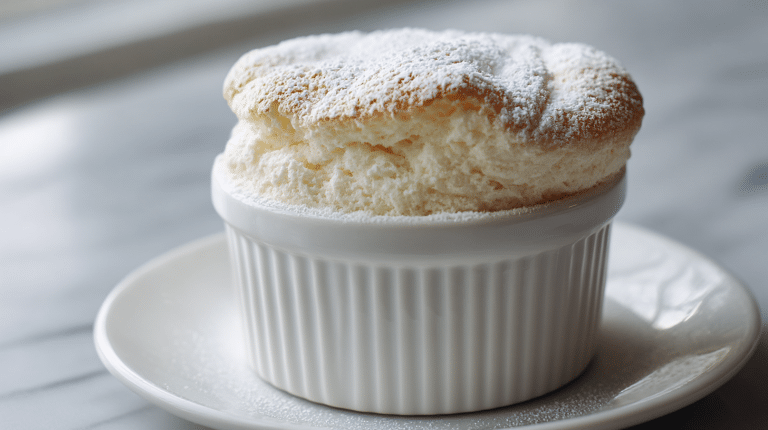
Gordon Ramsay Cheese Biscuits Recipe
Gordon Ramsay cheese biscuits are a game changer for anyone tired of dry, flavorless bread. Once, I thought biscuits were just glorified hockey pucks until I tried Ramsay’s recipe — a revelation! Now, I whip these up with confidence, knowing they’ll be flaky, cheesy, and downright addictive. Forget those boxed blends; this recipe is all about saving time and elevating your cooking game. With just a handful of ingredients and some elbow grease, you’ll turn out bakery-worthy biscuits in no time. So roll up your sleeves and let’s get started!

Ingredients, quantities and prep for gordon ramsay cheese biscuits
Dry mix — flour, leaveners and seasoning
250 g (2 cups) all-purpose flour, 15 g (1 tbsp) baking powder, 5 g (1 tsp) fine sea salt, and 10 g (2 tsp) granulated sugar is the baseline. Sift the flour and baking powder together once so the rising agent is evenly distributed. If your baking powder is older than 6 months, replace it — stale powder = flat biscuits.
Measure flour by weight: spoon into the cup, then level, or use a scale to avoid dense results. For a lighter crumb, replace 50 g of the flour with fine cake flour, but keep the leavener proportional to the flour.
Fats and liquids — butter, buttermilk and egg
Use 85 g (6 tbsp) cold unsalted butter, cut into small cubes, and 180 ml (3/4 cup) cold buttermilk plus 1 large egg (50 g) beaten for richer color and structure. Keep the butter cold; cold butter creates steam pockets in the oven, warm butter makes greasy, flat biscuits. Never melt the butter for a flaky biscuit — keep it about strawberry-sized or smaller until you bind.
If you don’t have buttermilk, stir 1 tbsp white vinegar or lemon juice into 180 ml milk and wait 5 minutes. The acidity helps the baking powder lift and adds a bit of tang to the dough.
Cheese, herbs and add-ins — exact amounts and choices
Grate 120 g (1 heaping cup) sharp cheddar, packed. Sharp cheddar gives real bite; milder cheeses need more salt. Optional add-ins: 50 g cooked crisp bacon (chopped), 1 jalapeño (seeded and diced), 2 tbsp chopped chives, or 1 tsp smoked paprika. Keep add-ins modest — too much filling breaks the dough structure.
If you want a more melty texture, swap 50 g cheddar for 50 g fontina or Monterey Jack. Reserve 20–30 g cheese to sprinkle on top for an extra-crisp, cheesy crust. If you want background on similar snacks, see cheese biscuits.
Tools, oven temp and mise en place
You’ll need a large mixing bowl, box grater, bench scraper, 2 baking sheets, parchment, and a 5 cm (2-inch) round biscuit cutter or a knife for wedges. Preheat the oven to 220°C (425°F) and position a rack in the upper third for better browning. Chill the baking sheet briefly if your kitchen is hot — a cold surface helps the butter stay solid until the oven.
Have all ingredients measured and the cheese grated before you start — biscuits don’t wait while you faff about.
Mixing and shaping the dough without wrecking it
Cutting butter into the dry mix — how to get the right texture
Scatter the cold butter cubes over the dry mix and use a pastry cutter, two knives, or your fingertips to rub/blend until the mixture looks like coarse breadcrumbs with some pea-sized pieces. Those pea-sized bits matter — they melt in the oven and create flaky layers. Work fast and keep everything cold.
If the bowl or your hands warm the butter, pop the bowl into the fridge for 10 minutes and proceed. Overworking turns butter into grease and gives you dense biscuits.
Adding cheese and liquids — combine gently for lift
Toss the grated cheddar into the flour-butter mixture so it’s coated and won’t sink. Make a well in the center, pour in the cold buttermilk and beaten egg, and mix with a fork until the dough just holds together — it will be sticky and shaggy. Fold gently; aim for 6–8 turns rather than kneading.
If the dough feels dry, add 1 tbsp extra buttermilk at a time. Stop mixing as soon as the dough sticks — too much handling develops gluten and ruins the lightness.
Shaping and cutting — thickness, size and bake counts
Turn the dough onto a lightly floured surface, fold it over itself twice to create layers, then pat to about 3 cm (1¼ inch) thickness. Use a 5 cm (2-inch) cutter pressed straight down — don’t twist. You’ll get 9–12 biscuits depending on cutter size.
Space biscuits 2 cm apart on a parchment-lined tray so the edges brown. Keep them tall for more oven spring and brush tops with a little buttermilk, then sprinkle the reserved cheese for a crisp finish.
Resting, chilling and final pre-bake steps
Once cut, chill the biscuits on the tray for 10–15 minutes if your kitchen is above 22°C (72°F). Resting firms the butter and lets the gluten relax, which improves rise. Preheat the oven to the full 220°C (425°F) right before the tray goes in.
If you’re baking from frozen, flash-freeze the biscuits on the tray for 30 minutes, then bag them. Bake frozen biscuits at 220°C (425°F) for 16–20 minutes, adding 4–6 minutes to the fresh bake time.
Baking options — oven, pan, grill and air fryer compared
Classic oven bake — temperature, time and indicators of doneness
Bake biscuits at 220°C (425°F) for 12–15 minutes on the middle rack until deep golden on top and bottom. Rotate the tray halfway for even color. A finished biscuit will sound hollow when tapped and register about 95°C (203°F) internal temperature.
Watch the last 2 minutes — sugar and cheese speed browning. If tops are getting too dark, tent with foil and finish baking until the internal temp is reached.
Cast-iron skillet or griddle method — when to use it
Preheat a heavy cast-iron skillet over medium-high, then reduce to medium. Place biscuits in the dry skillet (or with a tiny smear of butter) and bake the skillet in a 200°C (400°F) oven for 12–16 minutes. For stovetop-only, cover and cook on the lowest heat for 10–12 minutes, flipping once.
A skillet gives a crisp bottom and a rustic look. Use a thermometer and avoid screaming-hot pans that burn the base before the center cooks. You can finish under a broiler for extra brown tops if needed.
Air fryer instructions — quick, efficient batches
Preheat the air fryer to 190°C (375°F). Place 3–4 biscuits in a single layer and cook for 8–10 minutes, checking at 6 minutes. Rotate the basket or switch positions halfway to prevent uneven browning.
Air fryers brown faster and may need 1–2 minutes less than the oven. If tops burn before centers are done, lower the temp to 180°C (356°F) and increase the time slightly.
Broiler/grill for finishing — how to get extra color without drying
If the biscuits are cooked through but pale on top, slide them under the broiler on high for 30–90 seconds to finish. Keep the rack 10–12 cm (4–5 inches) from the heat and watch like a hawk — cheese and butter brown in seconds.
Use the broiler as a finishing tool, not the main method — it won’t cook a raw center. Safety tip: always use oven mitts and keep the door slightly ajar to avoid sudden smoke.
Common mistakes, why they happen and how to fix them
Dense, heavy biscuits — causes and quick recovery
Dense biscuits usually mean overworked dough, too much flour, or warm butter. Fixes: fold the dough fewer times next bake, measure flour by weight, and chill the dough for 15–20 minutes before cutting. If they’re already baked, split and toast quickly in a hot oven (230°C/450°F) for 3–4 minutes to refresh texture.
For a quick rescue, slice and toast with butter or use the biscuits in a savory bread pudding to make the texture an advantage.
Biscuits spreading too much — why your rounds became pancakes
Spreading happens from warm butter, too little flour, overhydration, or overworking the dough. To fix mid-process, scrape up the dough, chill for 20–30 minutes, then re-cut on a floured surface. For future batches, reduce buttermilk by 1–2 tbsp or add 10–15 g more flour.
Use a straight-down cutter and avoid twisting — twisting compresses edges and encourages spread. Cooler dough holds structure and produces rise.
Soggy or raw centers — signs and preventative steps
Soggy centers mean the oven temperature was too low or the biscuits were too thick so the outside browned before the middle cooked. Always preheat the oven fully and use the recommended 220°C (425°F). If tops brown but insides are raw, lower the oven 10–20°C and bake another 5–8 minutes covered with foil.
Use an instant-read thermometer — an internal reading around 95°C (203°F) means done. Thinner biscuits cook faster; adjust thickness to match your equipment.
Too dry, crumbly biscuits — what went wrong
Dry biscuits usually come from too much flour, too much baking powder, or too little liquid. For the next batch, reduce flour by 15–30 g and add 1–2 tbsp more buttermilk. If you already baked them, brush warm biscuits lightly with melted butter or a touch of cream to add moisture.
Remember that cheese and add-ins stiffen the dough, so add a splash more liquid when you fold in bacon or peppers.
Variations, swaps and allergy-friendly alternatives
Herb & garlic cheddar biscuits — tweak and technique
Add 2 tsp minced garlic (or 1 tsp garlic powder) and 2 tbsp finely chopped mixed herbs (parsley, chives, thyme) to the dry mix. Replace 20 g of cheddar with 20 g grated Parmesan for extra savory depth. For stronger garlic flavor, gently fry the garlic in 1 tbsp butter, cool, then add to the buttermilk before mixing.
Bake at the same temp and time. Try roasted garlic for a sweeter, less sharp profile that pairs well with sharp cheddar.
Bacon, chive & cheddar — smoky upgrade
Stir 50–70 g cooked, crumbled bacon and 2 tbsp chopped chives into the dough after the first fold. Since bacon adds fat and salt, shave about 1/4 tsp salt from the dry mix. For maximum crunch, crisp the bacon in the oven and drain on paper before adding.
These make great breakfast sandwiches — split, toast and top with a fried egg and a smear of mustard.
Spicy jalapeño and pepper jack — make it kick
Dice 1 medium jalapeño (remove seeds for milder heat) and swap 60 g cheddar for 60 g pepper jack or Monterey Jack. Add 1 tsp smoked paprika for depth, or use 1 tsp chipotle powder for smoky heat and omit the paprika. Handle chiles with care — wash hands after cutting or use gloves.
These pair well with smoked meats and a cold beer.
Gluten-free and cheese-free substitutions
For gluten-free: use a 1:1 GF flour blend (250 g) with 8 g xanthan gum if your blend lacks it; reduce handling and add 10–20 ml more buttermilk if needed. Bake at the same temp but expect slightly different browning and smaller air pockets.
For dairy-free/cheese-free: replace butter with 85 g cold coconut oil and buttermilk with 180 ml unsweetened plant milk + 1 tbsp lemon juice. Swap cheddar for 120 g well-drained mashed roasted cauliflower or a firm dairy-free grated cheese. Texture will differ — adjust the liquid until the dough holds together.
Serving ideas, storage, nutrition and last-minute kitchen wisdom
Serving suggestions and pairings
Serve warm with cultured butter or honey for breakfast, top with a fried egg for a hearty sandwich, or pair with tomato soup or chili for lunch or dinner. For a party platter, cut biscuits into small wedges and serve with chive crème fraîche, spicy jam, and a smoky tomato chutney.
Aim for contrast: salty, crunchy biscuits shine next to something bright, acidic, or creamy.
Storage, freezing and reheating — precise methods
Store cooled biscuits airtight at room temperature for up to 2 days. For longer storage, freeze on a tray for 30 minutes then bag flat; frozen biscuits keep 2–3 months. To reheat, thaw overnight in the fridge and refresh in a 190°C (375°F) oven for 6–8 minutes, or bake frozen straight at 200°C (400°F) for 10–12 minutes.
For single servings, split and toast in a 180°C (350°F) oven for 5–7 minutes or microwave 20–30 seconds then finish crisping in a hot skillet for 30–60 seconds. Avoid repeated microwaving — it makes them gummy.
Nutrition estimate and benefits (per medium biscuit)
A typical medium cheddar biscuit (from the quantities above, yields 10) is roughly 240–280 kcal, with about 12–16 g fat, 22–26 g carbohydrates, and 6–9 g protein. Exact numbers depend on cheese choice and add-ins. The cheese adds calcium and protein; buttermilk gives a bit of B vitamins and keeps the crumb tender.
For a lighter option, reduce butter by 15 g and use low-fat milk for the buttermilk — you’ll trade some flakiness for fewer calories.
Final practical tips from a sleeves-up baker
If you searched “gordon ramsay cheese biscuits,” you’re probably after bold flavor and crisp edges. Use a sharp cheese, keep everything cold, and don’t get sentimental with the dough. Simple rule: cold butter, light handling, high heat.
Timing: this recipe is a 35–45 minute job from start to finish — 10 minutes prep, 12–15 minutes bake, plus chilling if needed. When in doubt, err on the side of underworking and higher heat and let the oven spring do the work.


Gordon Ramsay Cheese Biscuits
Ingredients
Equipment
Method
- Preheat oven to 220°C (425°F) and prepare a baking sheet.
- Sift flour and baking powder together. Combine dry ingredients in a bowl.
- Cut in the cold butter until mixture resembles coarse breadcrumbs.
- Toss in the grated cheddar, then make a well in the center.
- Pour in buttermilk and beaten egg, mixing gently until dough just holds together.
- Turn dough onto a floured surface, pat to 3 cm thick, and cut out biscuits.
- Place on a parchment-lined tray, brush with buttermilk, and sprinkle reserved cheese on top.
- Chill biscuits for 10-15 minutes, then bake for 12-15 minutes until golden.
Nutrition
Notes
Love this recipe?
Give us 5 stars and comment!Video tutorial: gordon ramsay cheese biscuits
FAQ – gordon ramsay cheese biscuits
What makes the cheese biscuits so flaky?
The key is cold butter! It creates steam pockets during baking, which results in that desirable flaky texture. If your butter is warm or melted, your biscuits will end up as sad little lumps.
Can I use other types of cheese?
Absolutely! While sharp cheddar is the star here, you can experiment with fontina, Monterey Jack, or even a mix of cheeses. Just keep in mind that different cheeses have different flavors and moisture levels, so adjust accordingly.
How do I know when my biscuits are done?
Look for a deep golden color on top and bottom. A finished biscuit will sound hollow when tapped and should have an internal temperature of about 203°F (95°C). Trust me, you want that perfect bake!
Conclusion
Finally nailing the recipe for Gordon Ramsay cheese biscuits feels like a culinary victory! That golden brown exterior and cheesy aroma will fill your kitchen and your heart. The first bite reveals layers of flakiness with a flavor punch that’s hard to beat. It’s not just a biscuit; it’s a testament to your newfound confidence in the kitchen. So, unleash your creativity, adjust ingredients to fit your taste, and make this recipe your own. Now it’s your turn — make it bold, make it yours.