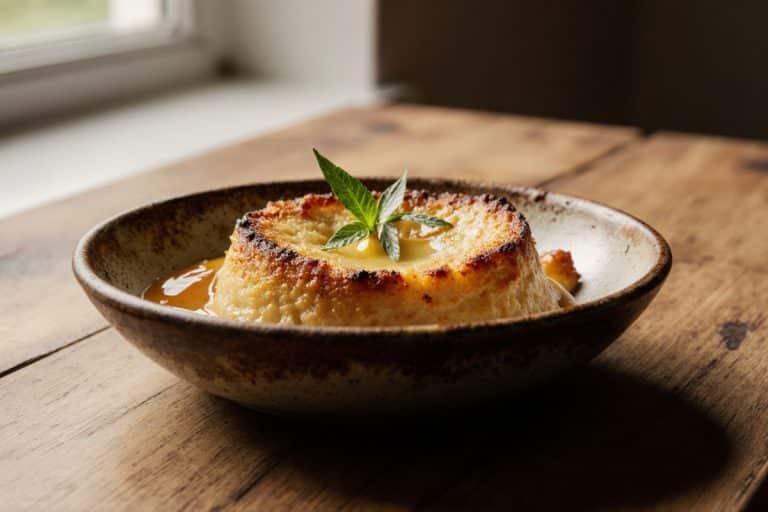
Gordon Ramsay Carrot Cake Recipe
Gordon Ramsay carrot cake is not just any dessert; it’s an experience! I remember the first time I made it—it was like a flavor bomb exploded in my mouth. This cake brings together the warmth of spices, the sweetness of carrots, and the tang of cream cheese frosting, creating a symphony of taste that sings. With my step-by-step guide, you won’t just bake; you’ll build a cake that’ll make your tastebuds do the happy dance. Trust me, once you nail this recipe, you’ll have everyone banging on your door for a slice. Let’s get those spatulas ready and dive into the world of baking confidence, flavor, and a dash of Ramsay fire!

Ingredients and exact measures for a dependable carrot cake
Dry ingredients measured for accuracy
Use 250 g plain (all-purpose) flour, 2 tsp (8 g) baking powder, 1 tsp (5 g) bicarbonate of soda, 1 tsp fine salt, and 2 tsp (4–6 g) ground cinnamon. If you like a warm background note, add ½ tsp ground nutmeg and ¼ tsp ground ginger. Weigh everything — eyeballing flour is where most bakers start cheating a cake to death.
Tip: sift the flour, baking powder and bicarbonate together so the rise is even and you avoid pockets of leavener. Properly mixed dry ingredients give a light crumb; overworked flour gives rubber. Keep the measurements exact — grams are not optional.
Wet ingredients with precise volumes and temperatures
Beat together 3 large eggs (≈165 g shelled), 200 ml neutral oil (sunflower or light olive), 150 g caster (superfine) sugar, and 100 g light brown sugar for depth. Add 1 tsp vanilla extract and 1 tbsp orange juice for brightness. The eggs should be room temperature (20–22°C) — cold eggs tighten the batter and slow baking.
Tip: room-temperature eggs mix better with oil and give a stable batter. If eggs are cold, drop them in warm (not hot) water for 5 minutes to warm up.
Carrots, add-ins and smart substitutions
Use 300–350 g finely grated carrots (about 3 medium carrots) — grate on the fine side. Stir in 100 g chopped walnuts or pecans, and 100 g raisins or crushed pineapple (well drained) if you want extra moisture. For a lighter crumb, swap 50 g of flour for 50 g almond meal; for gluten-free, use a 1:1 GF blend and add 1 extra tsp xanthan gum.
Tip: squeeze excess liquid from canned pineapple; too much juice ruins structure. Toast nuts for 5–7 minutes at 160°C (320°F) to sharpen their flavour before chopping.
Equipment, pans and mise en place
Use two 20 cm (8-inch) round cake tins lined with parchment and greased, or a single 23 x 33 cm (9 x 13-inch) tin for a tray bake. Preheat oven to 175°C fan / 190°C conventional (350°F). Have a box grater or food processor ready for carrots, scales, a good spatula, and a thermometer for precision.
Tip: line the bottom of the tin and grease the sides. If using a springform, place it on a tray to catch leaks. Measure everything before you start — once wet meets dry, you don’t want to stop.
Step-by-step oven method that reliably works every time
Mixing the batter — technique and timing
Whisk the dry ingredients together in one bowl. In another, whisk eggs and both sugars until combined, then slowly stream in the oil while whisking to form an emulsion — about 1–2 minutes. Fold the dry mix in with a spatula until just combined, then fold in grated carrots and add-ins with 6–8 gentle strokes; don’t overmix.
If you use a stand mixer, use the paddle on low and stop as soon as the flour disappears. Overmixing develops gluten and gives a tough cake; under-mixing leaves streaks and an uneven crumb. This stage should take about 6–8 minutes from start to batter-ready.
Baking times, temperatures and internal doneness
Pour batter into prepared tins and level the top. Bake at 175°C fan (or 190°C conventional / 350°F) for 28–35 minutes for 20 cm layers, or 40–50 minutes for a single 23 x 33 cm tray. Check doneness with a skewer — it should come out with a few moist crumbs, not wet batter.
Tip: for a more exact check aim for an internal temperature around 96–99°C (205–210°F). If the cake browns too quickly, tent loosely with foil at the halfway mark. Ovens vary; start checking 5 minutes before the minimum time listed.
Cooling, removing from tins and preparing for frosting
Cool the cakes in their tins for 10–15 minutes on a wire rack, then run a knife around the edge and invert onto the rack to cool completely. For layered cakes, cool fully to room temperature (about 1–1.5 hours) before stacking; warm cake will melt frosting and cause slippage.
Tip: to speed cooling, put the cake on a wire rack in a cool area, but never in the fridge while hot — that traps steam and makes the crumb soggy. Wrap in baking paper while you prep the frosting to keep edges from drying out.
Frosting recipes and applying like a pro
Classic cream cheese frosting: beat 225 g full-fat cream cheese (room temp) with 100 g unsalted butter (room temp) until smooth. Add 200–250 g sifted icing sugar to taste and 1 tsp vanilla, then beat 2–3 minutes for a stable, spreadable texture. For a firmer pipe, chill 10–15 minutes.
Tip: keep cream cheese frosting refrigerated because it contains dairy. Chill the assembled cake 30 minutes before serving to firm the frosting; take it out 15 minutes before eating to soften slightly. Use an offset spatula and a turntable for even layers.
Alternative cooking methods and how they compare to the oven
Pan/stovetop carrot cake — how to do it and when it works
You can make a skillet or Dutch oven carrot cake using a heavy-bottomed pan and a low, steady heat. Use a 23 cm cast-iron skillet, reduce the batter depth slightly, cover with a tight lid, and cook on the lowest flame for 30–45 minutes. Finish under a preheated grill (broiler) for 2–4 minutes to set the top if needed.
This method works for small carrot cake or when your oven is out of action, but it gives a denser crust and less even rise. Tip: put a heat diffuser under the pan to prevent hot spots and check doneness by touch and a skewer — the internal temp target stays around 96–99°C.
Air fryer carrot cake — fast, small-batch success
The air fryer is great for smaller cakes: use a 16–18 cm pan or two 15 cm pans. Reduce temperature to 160°C (320°F) and check at 18–22 minutes; thickness determines time. The circulating air can brown the outside faster, so the lower temp helps keep the centre moist.
Tip: line the pan and don’t pack batter too high; if using parchment, weigh it down with a few small dough rings so it doesn’t float. Expect a slightly crisper edge than oven-baked cake. The internal temp goal still applies.
Grilled, smoked and campfire carrot cake variations
For a smoky twist, bake the cake in a covered grill or smoker at 160–170°C (320–338°F) for 30–50 minutes depending on size. Use indirect heat and a water pan to keep things moist. Smoke for 10–20 minutes with apple or maple wood chips for a light savoury note that pairs with walnuts and brown sugar.
If you try this, use light smoke — you want a hint, not ash. Tip: monitor internal temp carefully and shield the tin from direct flames.
Why the oven is still the most reliable method (comparison)
The oven gives even heat and predictable timing for layered cakes, which is why most bakers use it. Alternatives like pan, air fryer, or grill are useful for improvising, but they demand attention to hot spots and variable bake rates.
If you want a repeatable result, stick to a calibrated oven at 175°C fan / 190°C conventional (350°F). Use temperature and skewer tests for doneness and save the alternatives for when you need them.
Common mistakes, quick fixes and preventing disaster
Cake sinks in the middle — reasons and repairs
If your cake sinks, it’s usually underbaked, overmixed, or someone opened the oven too early. To fix a slightly sunken top, trim the dome and fill with frosting or a thin layer of jam to hide the flaw. For a severe collapse, repurpose: cubes for trifle, layered desserts in glasses, or cake pops.
Tip: never open the oven in the first 20–25 minutes of baking for layer cakes. If underbaked but intact, return to the oven at 160°C (320°F) with a foil tent for 10–15 minutes and watch the internal temp.
Dense, heavy crumb — how to lighten it
A heavy cake usually means overmixing or too much flour. If the batter was stiff, fold less next time and don’t squeeze every drop from the carrots — they add moisture. Swap 50 g flour for 50 g almond meal or shave 20–30 ml off the oil to tweak density.
Tip: use fresh baking powder and bicarbonate — old leaveners lose strength. Test bicarbonate by dropping 1 tsp into warm water with a splash of vinegar; it should fizz well.
Dry cake — causes and rescue techniques
Dry cake means too much heat, overbaking, or too little fat or liquid. Rescue slightly dry cake by brushing layers with a simple syrup (50 g sugar + 50 ml water boiled and cooled) or an orange-maple glaze. For future bakes, lower oven temp by 10–15°C and test earlier.
Tip: adding crushed pineapple or a tablespoon of yogurt to the batter can add moisture without collapsing the structure. But don’t dump wet stuff in — keep the balance.
Frosting that weeps, slides or tastes flat — fixes
If frosting weeps, it’s usually because the cake was warm or cream was overwhipped. Chill the cake before frosting and stabilize cream toppings with ½ tsp powdered gelatin or use full-fat cream cheese. If frosting slides, chill the cake for 20–30 minutes between layers to set.
For bland frosting, add a pinch of fine salt, a tablespoon of lemon juice, or 1 tsp orange zest to brighten things up. Safety tip: anything with cream cheese or whipped cream must be refrigerated and eaten within 48 hours.
Variations and substitutions for different diets and flavours
Classic version and three simple flavour twists
Stick with the classic: cream cheese frosting, chopped walnuts and a dusting of cinnamon. For twists try orange-maple (1 tbsp orange zest and 2 tbsp maple syrup), pineapple-coconut (80 g drained crushed pineapple and 50 g desiccated coconut), or espresso-and-walnut (1 tsp instant espresso in the wet mix).
Each twist keeps the same base recipe — small swaps, big differences. Tip: when adding wet ingredients like pineapple, slightly reduce the oil by 10–15% to keep the structure sound.
Vegan carrot cake — reliable swaps and texture tips
Use 3 flax eggs (3 tbsp ground flaxseed + 9 tbsp water, chilled 10 minutes) to replace eggs, 220–240 ml neutral oil, and 200 g sugar. Replace dairy frosting with a vegan cashew frosting: soak 200 g cashews for 4 hours, blend with 60 ml maple syrup, 2 tbsp lemon juice, 1 tsp vanilla and 40 ml water until silky.
Vegan cakes can be denser; add 1 tsp apple cider vinegar to batter to react with bicarbonate and help lift. Tip: bake at a slightly lower temperature (170°C fan) and check earlier — vegan crumb can brown faster.
Gluten-free and low-sugar adaptations
Use a 1:1 GF flour blend (250 g) plus 1 tsp xanthan gum for structure. For lower sugar, replace up to 50% with erythritol or monk fruit, but keep at least 100 g real sugar for moisture and browning. Add 25 g extra carrot to offset dryness in low-sugar cakes.
Tip: GF batters often need extra moisture; consider 1 tbsp olive oil or a yogurt alternative. Keep internal temp and skewer checks as your guide — texture tells you more than time alone.
Boozy, nutty and showstopper variations for entertaining
Soak 100 g raisins in 50 ml dark rum or orange juice for 15–30 minutes and fold in. Brush each layer with a rum-maple syrup for extra punch. For crunch, make a praline: 80 g sugar caramelized with 40 g chopped nuts, cooled and crushed.
Tip: with alcohol-soaked fruit, cut other liquids slightly to prevent sogginess. Label desserts with alcohol if serving guests — honesty and safety.
Nutrition, food safety, serving and storage guidance
Nutrition profile and health benefits of carrot cake ingredients
A generous slice (~120–140 g) contains roughly 350–450 kcal depending on frosting and nuts. Carrots add beta-carotene (a vitamin A precursor) and fibre; walnuts add omega-3 fats. Using oil instead of butter cuts saturated fat, and swapping some sugar for fruit puree lowers refined sugar.
Tip: calling it “healthy” is misleading if it’s smothered in frosting. Make smarter choices: lighter frosting, fewer nuts, more carrot and wholegrain flour to shift nutrition without losing flavour.
Safe storage, refrigeration and shelf life
Unfrosted carrot cake layers can be wrapped and stored at room temperature for 24 hours, or in the fridge for up to 3 days. Once covered in cream cheese frosting, refrigerate and consume within 48 hours. For longer storage, freeze unfrosted layers wrapped tightly for up to 3 months; thaw in the fridge overnight before frosting.
Food safety tip: keep cream-cheese and dairy-frosted cakes below 5°C (41°F) in the fridge and discard if left out over 2 hours at room temperature. Label leftovers with the date to avoid culinary amnesia.
Reheating, serving suggestions and portioning
Warm slices in a 160°C (320°F) oven for 6–8 minutes wrapped in foil, or microwave for 12–20 seconds to soften frosting slightly. Serve with a dollop of Greek yogurt and orange zest for brightness, a scoop of vanilla or cinnamon ice cream for indulgence, or espresso for contrast.
Portioning: cut an 8-inch layer into 8–10 wedges, a 9 x 13 tray into 12–15 pieces. Tip: chill briefly before slicing for clean edges and wipe your knife between cuts.
Pairings, plating and final presentation tips
Carrot cake loves bold contrasts: serve with toasted walnuts, a drizzle of aged maple syrup, or a smear of salted caramel at the base for richness. Garnish lightly with edible flowers or small herbs for a restaurant touch, but don’t over-embellish — the cake should be the star.
Tip: for clean presentation, pipe a thin border of frosting to catch crumbs, then fill the centre. Keep serving temperature just below room temperature (15–18°C) for the best mouthfeel — too cold and the fats are clunky, too warm and the frosting goes floppy.


Gordon Ramsay’s Reliable Carrot Cake
Ingredients
Equipment
Method
- Preheat oven to 175°C fan / 190°C conventional (350°F). Grease and line cake tins.
- Whisk dry ingredients in one bowl. In a separate bowl, whisk eggs, both sugars, and vanilla, then slowly stream in oil to emulsify. Mix until combined.
- Fold dry mixture into wet mixture until just combined. Then fold in the grated carrots, nuts, and raisins or pineapple, being careful not to overmix.
- Pour batter into prepared tins and level the tops. Bake for 28–35 minutes for 20 cm layers or 40–50 minutes for a single tray. Use a skewer to check doneness.
- Cool cakes in tins for 10–15 minutes before inverting onto a wire rack to cool completely.
- Prepare frosting by beating together cream cheese and butter, then mix in icing sugar and vanilla. Chill before frosting the cake.
Nutrition
Notes
Love this recipe?
Give us 5 stars and comment!Video tutorial: gordon ramsay carrot cake
FAQ – gordon ramsay carrot cake
What should I do if my carrot cake sinks in the middle?
If your cake sinks, it’s often due to underbaking or overmixing. Trim the dome and fill with frosting, or for a bigger flop, cut it into cubes for a trifle. Remember, don’t open the oven for the first 20-25 minutes!
How do I know when my carrot cake is done?
Check for doneness with a skewer—it should come out with a few moist crumbs but no wet batter. Aim for an internal temperature of 96–99°C (205–210°F) for perfect baking!
Can I make this cake gluten-free?
Absolutely! Use a 1:1 gluten-free flour blend and add xanthan gum for structure. Just keep an eye on moisture; gluten-free batters sometimes require a little extra love.
Conclusion
You did it! Your kitchen now boasts a glorious Gordon Ramsay carrot cake that’s as vibrant as it is delicious. With each bite, you experience the gentle spice from the cinnamon, the sweet crunch from the nuts, and the luxurious creaminess of the frosting. Honestly, nothing feels better than finally nailing a recipe that’s known to challenge bakers. Now it’s your turn — make it bold, make it yours!