Gordon Ramsay Aubergine Caviar: 5 Secrets for Flavor Boost
Picture this: me, a novice in the kitchen, thinking that all it took to whip up a fancy dip was throwing an eggplant in the oven. Well, that tavern of hope came crumbling down around a bland, mushy mess that tasted like defeat. Enter Gordon Ramsay’s aubergine caviar — my culinary knight in shining armor. It was all about the technique, darling! Who knew scoring could turn blandness into a flavor explosion? Let’s dive headfirst into transforming your eggplant game with the secrets of the culinary master himself.
Why This Technique Wins
Ramsay’s method is like a slap to the face that wakes you up! The beauty of gordon ramsay aubergine caviar lies in its texture — smooth yet robust with a savory punch that sends fond memories dancing. When you score the eggplant, the flesh absorbs all those delicious seasonings while roasting. You’re not just cooking; you’re creating flavor depth like an artist layering paint. This is what separates a good dip from an unforgettable experience, trust me!
What I Got Wrong, And Fixed
Now, let’s talk about my failures. I went from “Do I even need to score?” to “Oh my, what was I thinking?” I would roast those poor eggplants whole, hoping they’d just ‘get there’ on their own. But without precision, they became a sad, indistinguishable blob of mush. Learning Ramsay’s scoring technique was like finally understanding that seasoning is not optional. It’s your lifeline! Now, with my newfound respect for the eggplant, I’m crafting dips that are actually worthy of a dinner party.
Tools That Actually Matter
Let’s cut the fluff and get to the gear that will elevate your kitchen game. Here’s what you need for gordon ramsay aubergine caviar:
- Sharp Knife: Essential for scoring — dull knives might as well be spoons for this job.
- Baking Tray: A must-have to catch all those juices—trust me, you don’t want a mess on your oven floor.
- Aluminum Foil: Keeps the eggplant steam in for a tender finish. ‘Nuff said.
- Food Processor: To achieve that silky-smooth caviar that’ll have your guests swooning.
The Ingredient Breakdown
Alright, listen up! Here’s what you’ll need for the magic:
- 2 medium eggplants: About 1 lb (450 g) — pick those shiny little beauties!
- 2 tablespoons (30 ml) olive oil: Go for good quality, or your caviar will taste like sad regret.
- 1 clove garlic: Minced, because nobody wants chunks of raw garlic ruining the mix.
- 1 tablespoon (15 ml) lemon juice: Freshness is key, no bottled stuff here.
- Salt and pepper: To taste, because seasoning is your best friend.
How to Make It Like Ramsay
To make Gordon Ramsay’s Aubergine Caviar, gather the following ingredients: 2 medium eggplants (approx. 1 lb or 450 g), 2 tablespoons (30 ml) of good quality olive oil, 1 clove of garlic (minced), 1 tablespoon (15 ml) of fresh lemon juice, salt and pepper to taste. You will also need essential tools such as a sharp knife for scoring the eggplants, a baking tray, aluminum foil for wrapping, and a food processor for blending the caviar smoothly. To begin, preheat your oven to 400°F (200°C). Carefully cut the eggplants in half lengthwise, score the flesh in a criss-cross pattern, and brush each half with olive oil, ensuring the oil seeps into the scores. Season with salt and pepper, then wrap each half tightly in aluminum foil. Place them cut side down on a baking tray and roast in the oven for about 35-40 minutes or until the flesh is tender. Once cooked, let them cool slightly before scooping the flesh into a food processor. Add minced garlic, lemon juice, and a drizzle of olive oil. Blend until smooth and creamy. Taste and adjust the seasoning. Serve it warm or chilled on toasted bread or as a dip with fresh veggies.
Busy Weeknight Adjustments
When life gets crazy and you need to whip up gordon ramsay aubergine caviar in a hurry, consider these cheats: Use pre-roasted eggplant from a jar or buy frozen eggplant. Score less if you’re racing against the clock; just make sure to still drizzle that olive oil generously. You won’t have the depth of flavor, but it will keep your tastebuds from turning against you.
Variations That Actually Work
Want to spice it up? Try adding a pinch of smoked paprika for a smoky kick, or toss in some chopped fresh herbs like basil or parsley for a fresh twist. If you’re feeling feisty, go for a dash of cayenne pepper for a bit of heat. And yes, this recipe can easily be vegan-friendly — just follow it as is, and you’re golden!
Serving Tips That Impress
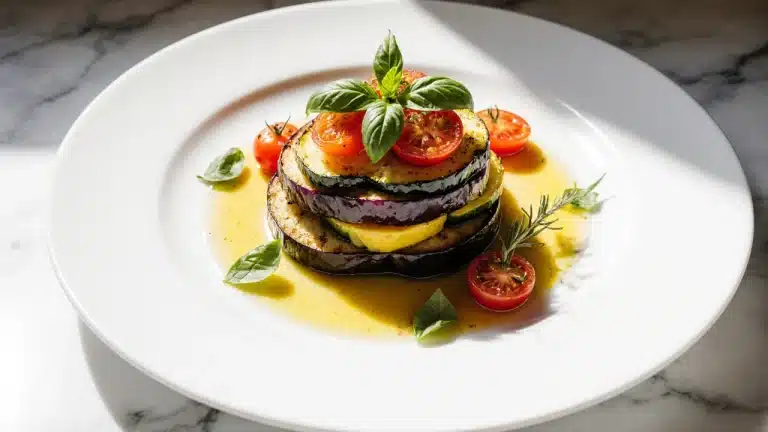
Now, let’s move to plating, shall we? Serve your gordon ramsay aubergine caviar in a shallow bowl drizzled with a bit more olive oil and a sprinkle of fresh herbs. Pair it with toasted slices of crusty bread for that perfect crunch. It’s a dish that speaks volumes without you having to shout in the kitchen. Add some colorful vegetable sticks on the side for a splash of authenticity. Your guests will think you’ve got Michelin stars in your kitchen!
Real Questions, Real Answers
Q: Can I make this ahead of time?
A: Absolutely! It stores well in the fridge for about a week.
Q: Is it really worth scoring the eggplant?
A: Hell yes! Scoring is your ticket to flavor town; don’t skip it!
Q: Can I use different oils?
A: Sure, but olive oil is king here. Experiment at your own risk!
What It Tastes Like When You Nail It
Ahh, the moment of truth! When you take that first bite of gordon ramsay aubergine caviar, it’s like a concert of flavors dancing on your tongue — creamy, smoky, rich garlic with a pop of citrus. It’s indulgence in every scoop, a dip that transforms even the most mundane occasions into a feast. This isn’t just food; it’s an experience.
Now It’s Your Turn
You’ve got the tools and the technique — now make Ramsay proud.


Gordon Ramsay's Aubergine Caviar
Ingredients
Equipment
Method
- Preheat your oven to 400°F (200°C).
- Carefully cut the eggplants in half lengthwise, score the flesh in a criss-cross pattern, and brush each half with olive oil.
- Season with salt and pepper, then wrap each half tightly in aluminum foil.
- Place them cut side down on a baking tray and roast in the oven for about 35-40 minutes or until the flesh is tender.
- Once cooked, let them cool slightly before scooping the flesh into a food processor.
- Add minced garlic, lemon juice, and a drizzle of olive oil. Blend until smooth and creamy.
- Taste and adjust the seasoning. Serve it warm or chilled on toasted bread or as a dip with fresh veggies.
Nutrition
Notes
Love this recipe?
Give us 5 stars and comment!