Gordon Ramsay Tarragon Pasta Recipe
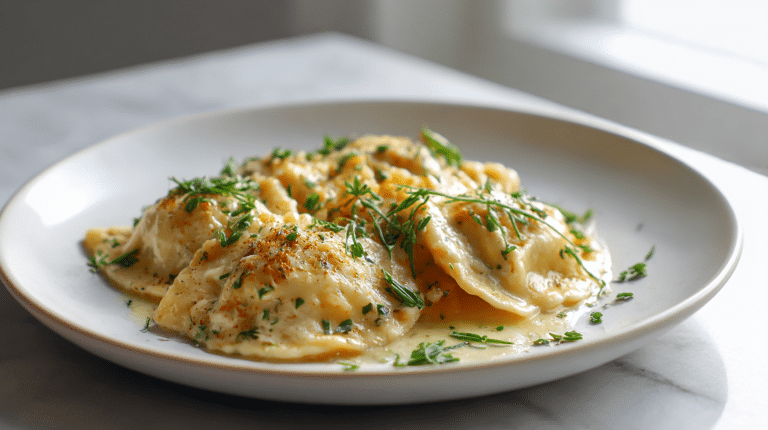
Gordon Ramsay tarragon pasta is a dish that’s gone from my kitchen disaster zone to a flavor-packed star. I used to think tarragon was just another herb – until I realized its anise-like kick could elevate a simple pasta dish to another level. This recipe helps you save time while nailing down fresh flavors, so you can impress everyone at your dinner table, even if you’ve never tackled a sauce like this before. I promise you’ll boost your confidence and your taste buds in one go!
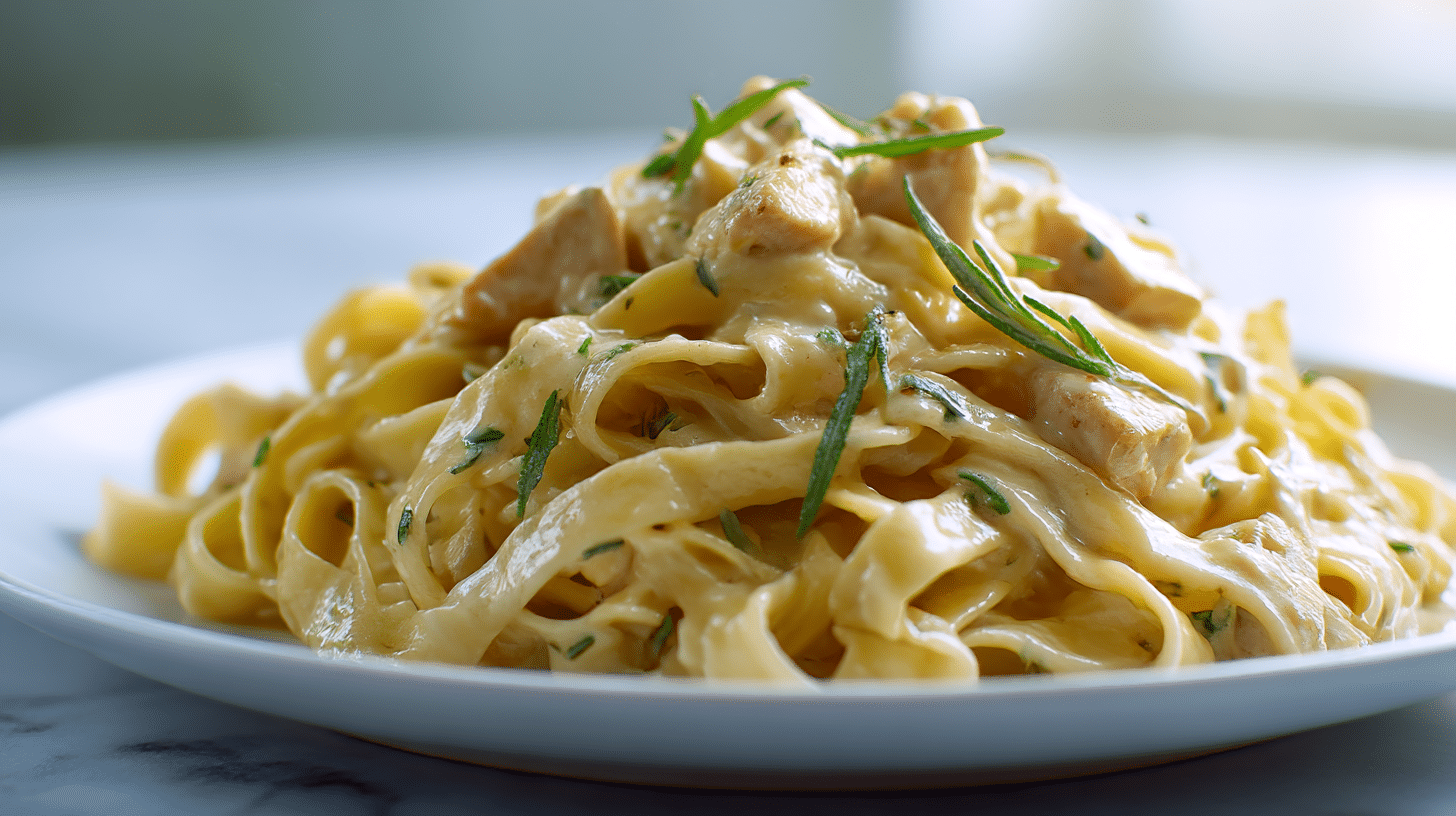
Recipe at a Glance – gordon ramsay tarragon pasta
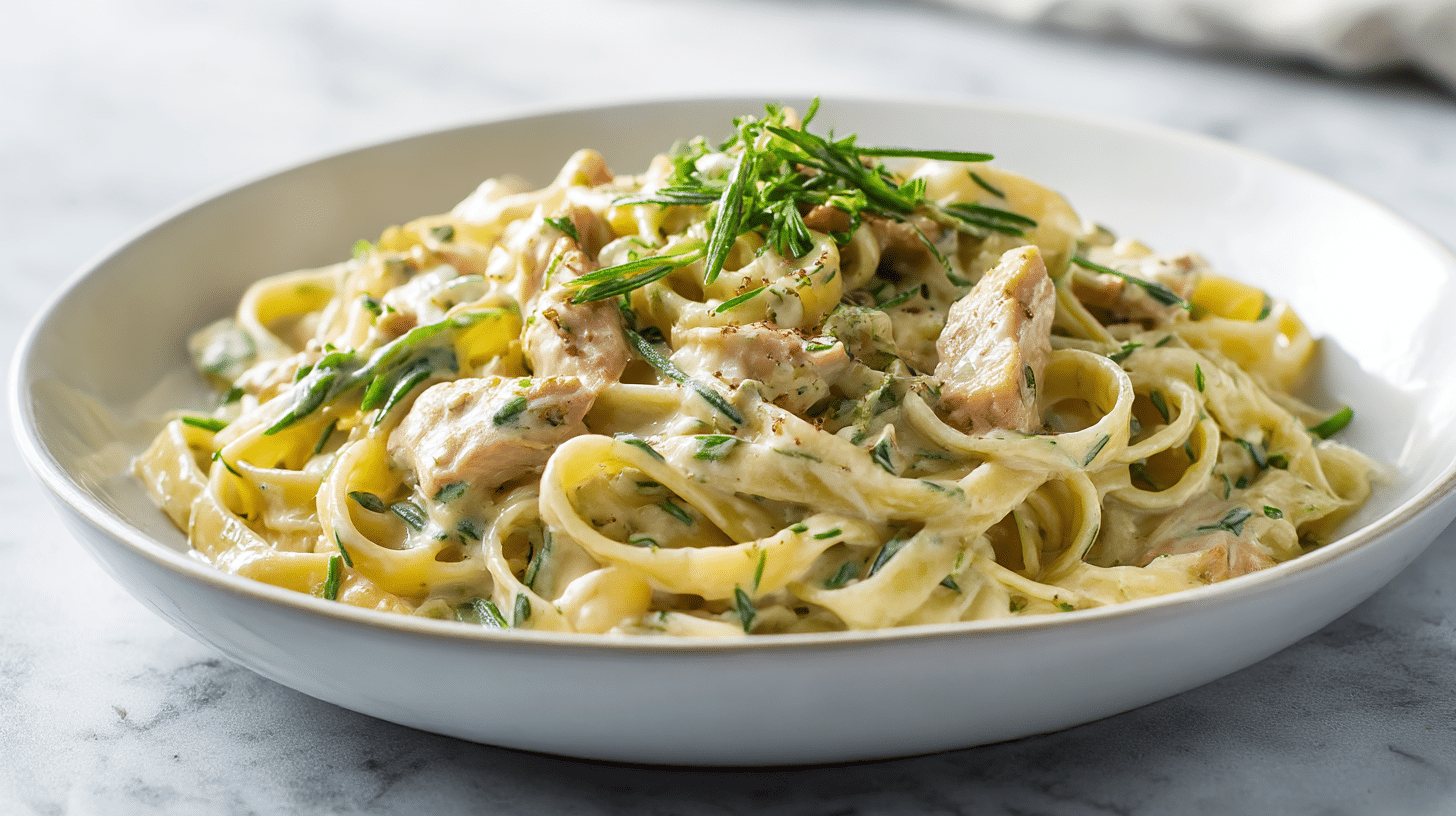

Gordon Ramsay’s Tarragon Pasta
Ingredients
Equipment
Method
- Get your water boiling in a saucepan, adding a good pinch of salt.
- Add the pasta and set a timer for about 4–5 minutes, stirring occasionally.
- In a hot skillet, add olive oil, then toss in your minced garlic and shallots. Sauté for about 2-3 minutes until softened.
- Once your pasta is cooked, reserve some pasta water, then drain. Add your cooked chicken, pour in cream, and let it simmer for 2-3 minutes until it thickens slightly.
- Stir in your chopped tarragon. If the sauce is too thick, add a splash of the reserved pasta water.
- Toss the pasta into the sauce and mix well to ensure every bit is coated.
- Taste and adjust seasoning as needed; finish with more fresh tarragon if desired.
Nutrition
Notes
Love this recipe?
Give us 5 stars and comment!Essential Ingredients for Your Ramsay-Style Tarragon Pasta
Fresh Tarragon
The key ingredient in any Gordon Ramsay tarragon pasta dish is fresh tarragon. This herb brings a delightful anise-like flavor, taking your sauce to another level compared to standard basil or parsley. Always use fresh instead of dried; about 30g usually does the trick for a lively, fragrant finish.
Pasta Selection
Choosing the right pasta matters. Go for shapes that cling to sauce well, like fettuccine or pappardelle. You’ll need around 250g for two servings. Remember, the al dente texture is essential; it will hold up better when mixed with the sauce.
Aromatics and Seasoning
Aromatics are the backbone of flavor! Start with garlic and shallots for a sweet base. Use 2 cloves of garlic and 1 finely chopped shallot, sautéing them in olive oil for a few minutes. Season with salt and pepper to enhance the flavors.
Protein Options
Whether you love meat or prefer plant-based options, there are plenty of choices. Chicken, shrimp, or tofu can elevate your dish. Tenderize around 300g of chicken breast and cook it until it reaches a core temperature of 75°C/165°F for safety.
Preparation and Techniques
Chopping Tarragon
When chopping tarragon, go easy on it. Roughly chop about 30g to keep its flavor balanced. Use a sharp knife; a bruised herb won’t taste as fresh.
Boiling Pasta
Boil your water, adding a good pinch of salt. For 250g of pasta, around 4–5 minutes should be enough—check the package for specifics. Cut the heat a minute early for that perfect al dente texture.
Sautéing Aromatics
In a hot pan, pour in olive oil, then add your minced garlic and shallots. Sauté them at medium heat for about 2-3 minutes until soft. Don’t let them brown, or you’ll end up with a bitter taste.
Timing for Ingredients
Timing is key. Start your sauce while the pasta cooks, trying to combine them within a minute of draining the pasta. This way, your pasta is perfectly coated while still hot.
Cooking Steps for Greatness
Cooking the Pasta
Once the water is boiling, add your pasta and stir immediately to avoid sticking. Set a timer for about 4-5 minutes, stirring occasionally. Taste it before draining to make sure you’ve got that al dente bite right.
Making the Sauce
In the same pan, toss in your cooked chicken, shrimp, or another protein. Pour in cream (about 200ml) and let it simmer for 2-3 minutes until it thickens a bit. Stir in your chopped tarragon.
Combining Ingredients
Once your pasta is cooked, save some pasta water, then drain. Toss the pasta directly into the sauce. If it’s too thick, add a splash of that reserved water for the perfect consistency. Mix well to ensure every bit is coated.
Final Seasoning Adjustments
Taste and adjust your seasoning. A pinch of salt or a squeeze of lemon can really lift the dish. Finish off with more fresh tarragon if you’re feeling adventurous!
Creative Variations and Adjustments
Protein Substitutes
Not into chicken or shrimp? Mushrooms or tempeh can work great for a vegetarian twist; around 250g is a solid amount. Both options are excellent at soaking up flavors, making them fantastic alternatives.
Alternative Herbs
If tarragon isn’t available, consider using dill or basil. They won’t give you the exact same flavor, but each brings its own appeal. Use a similar amount, about 30g, for the best taste.
Sauce Modifications
Looking for a kick? Toss in a splash of white wine or a dollop of Dijon mustard for a unique twist. Or swap cream for half-and-half for a lighter option; either way, adjust amounts to suit your taste.
Serving Suggestions
Serve your Gordon Ramsay tarragon pasta with a side salad or some garlic bread. Pair it with a chilled white wine for a classy touch, or keep it simple with a sprinkle of parmesan cheese on top.
Troubleshooting Common Issues
Overcooked Pasta
If you overcooked your pasta, try salvaging it by tossing it with a bit of olive oil and sautéing quickly in a pan. This can create a crispy texture, making it a different but still tasty dish.
Sauce Thickness Issues
Got a sauce that’s too thick? Add a splash of pasta water or extra cream to loosen it up. If it’s too runny, let it simmer for a couple more minutes to thicken naturally.
Flavor Balance
Balance is key; if your dish is bland, try adding more salt, lemon juice, or even a sprinkle of red pepper flakes. A little taste testing goes a long way.
Ingredient Freshness
Always check your herbs and proteins for freshness before cooking. Using wilted herbs or past-their-prime meat can ruin your dish. Fresh is best, no exceptions.
Frequently Asked Questions
Best Type of Pasta
For a Gordon Ramsay tarragon pasta recipe, fettuccine or tagliatelle is ideal. These shapes catch the creamy sauce wonderfully.
Storage Tips
Store any leftovers in an airtight container in the fridge for up to 3 days. To keep it fresh, avoid adding too much sauce before storing.
Reheating Instructions
Reheat gently in a pan over low heat, adding a splash of water or cream to help the sauce become creamy again.
Cooking for a Crowd
Scaling up? Just multiply the portions and cook in batches. For 8 servings, around 1kg of pasta and 800ml of cream should be good. Keep ingredients in proportion for the best results.
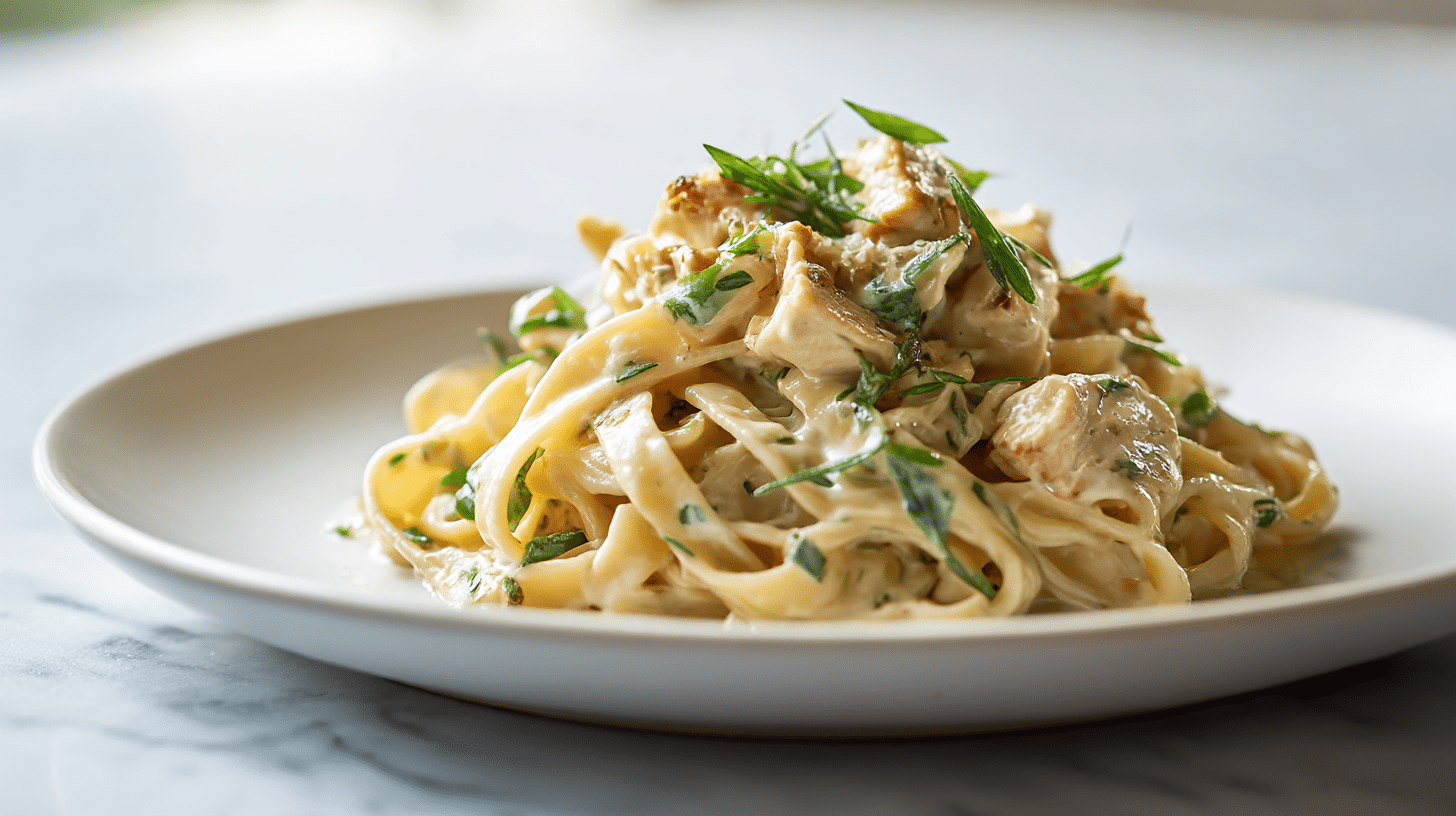
Step-by-Step Video: Mushroom, Leek and Tarragon Pasta by Gordon Ramsay
FAQ – gordon ramsay tarragon pasta
What type of pasta works best?
Use fresh pasta for quicker cooking and better absorption of the sauce.
How do I store leftover tarragon pasta?
Refrigerate in an airtight container for up to 3 days.
Can I use dried tarragon instead of fresh?
Yes, but reduce the amount by half as dried herbs are more concentrated.
How do I reheat tarragon pasta?
Gently reheat on low heat in a pan with a splash of water or stock to prevent drying out.
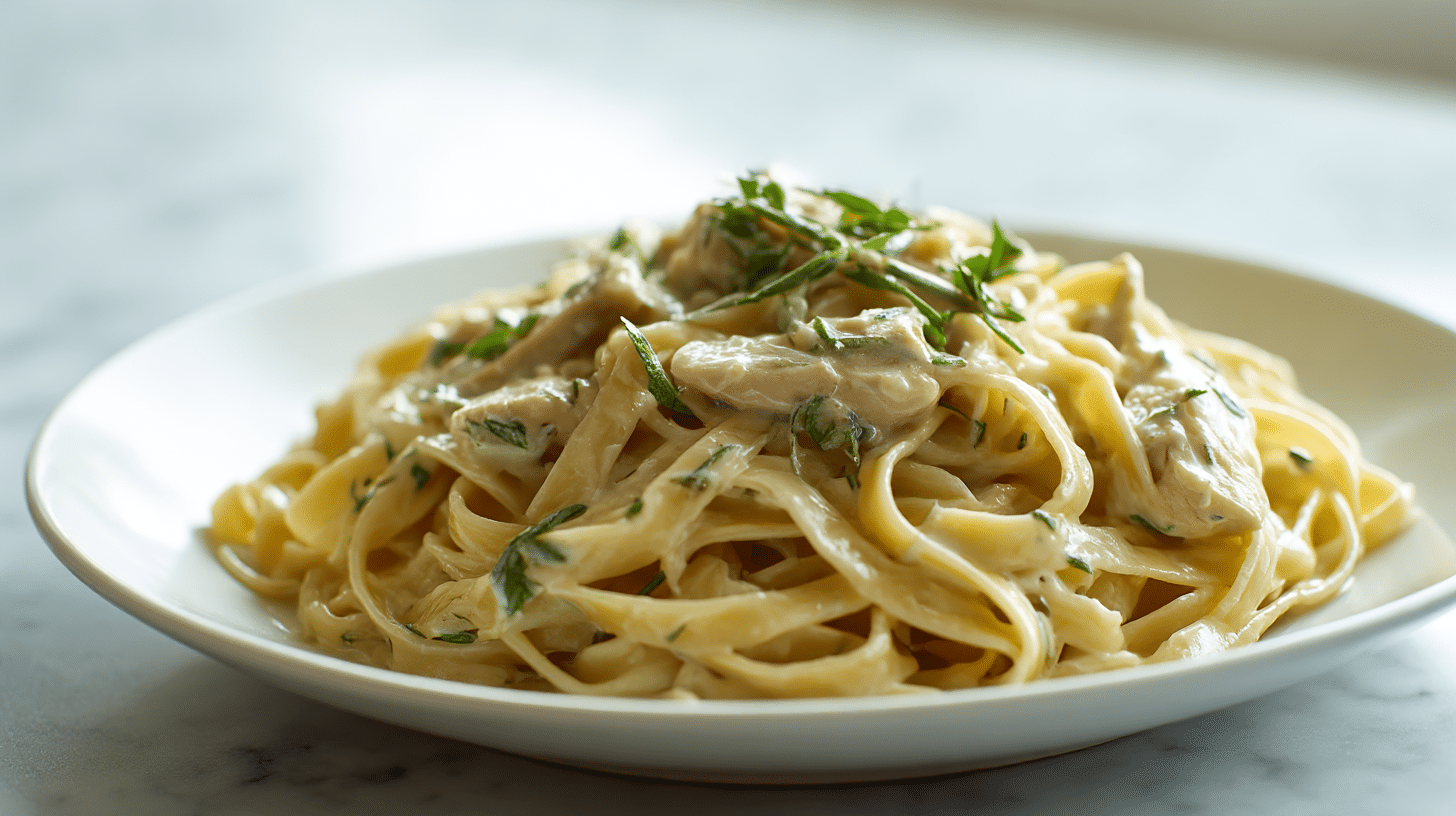
Before you start cooking…
Cooking Gordon Ramsay tarragon pasta might just be the culinary victory you need to light your cooking fire! Imagine plating that vibrant dish, the aroma of tarragon wafting through the kitchen, and that first creamy bite enveloping your taste buds with sheer joy. There’s nothing quite like the moment when you realize you’ve nailed it – the sauce is silky, the pasta is al dente, and your confidence is soaring. Now it’s your turn – make it bold, make it yours.