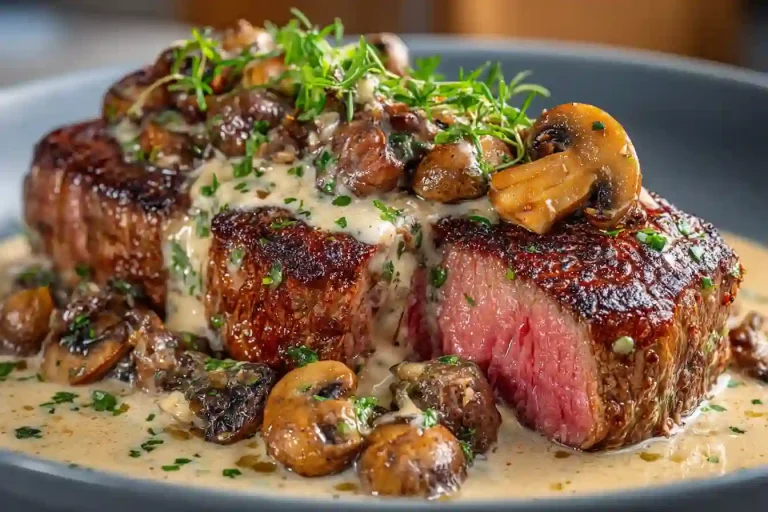
Gordon Ramsay Steak Tartare Recipe
Gordon Ramsay steak tartare is my secret weapon when I want to impress without breaking a sweat. This dish screams sophistication, yet it’s surprisingly straightforward to whip up. Trust me, your friends will think you’re some kind of culinary wizard. I learned the hard way that skimping on quality ingredients means bland bites. But with fresh, high-quality beef and balanced seasonings, every forkful becomes a flavor explosion. Let’s roll up our sleeves and explore how to create this classic dish that showcases simplicity and fresh ingredients — minus all the fuss!
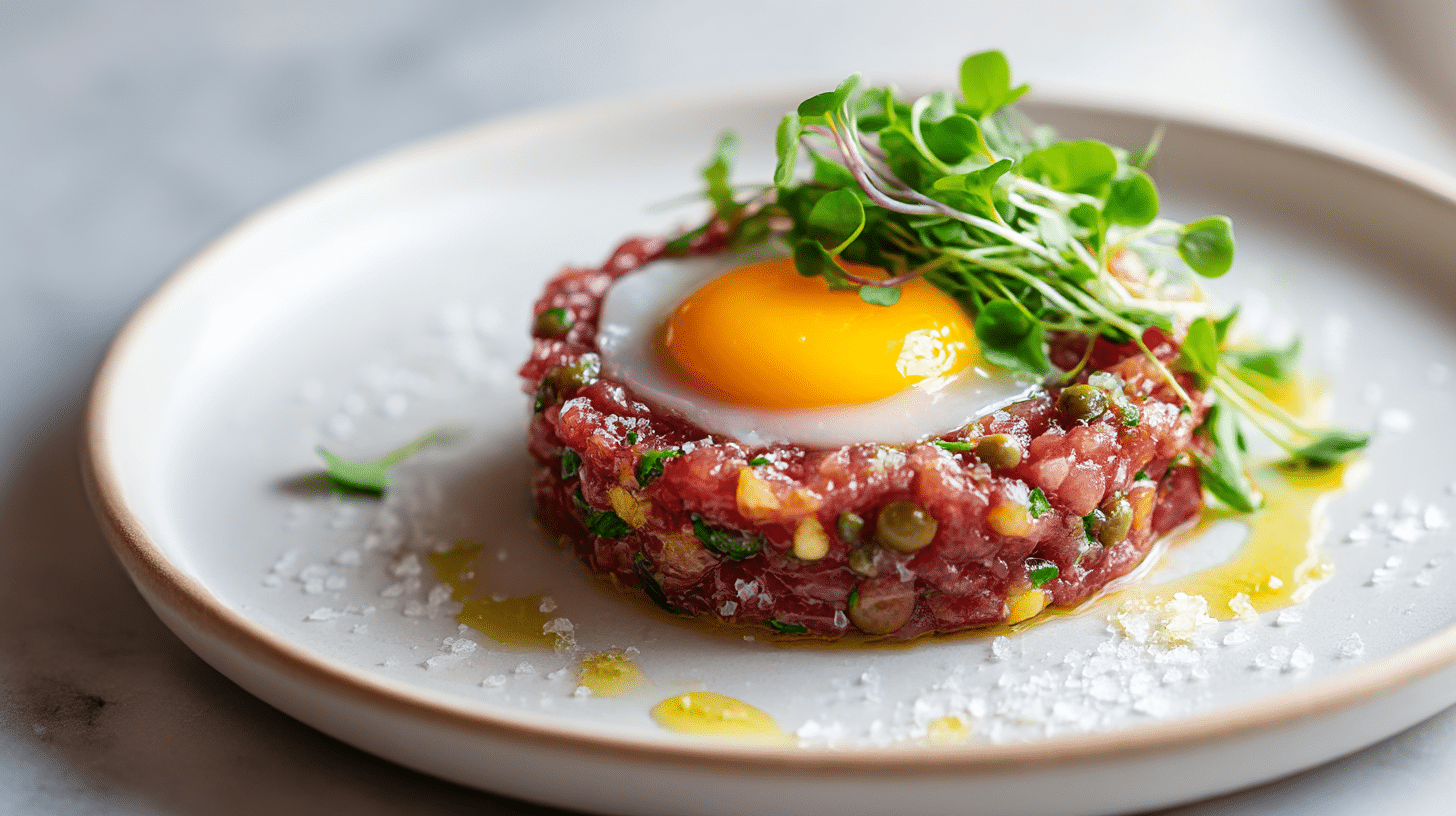
Recipe at a Glance – gordon ramsay steak tartare
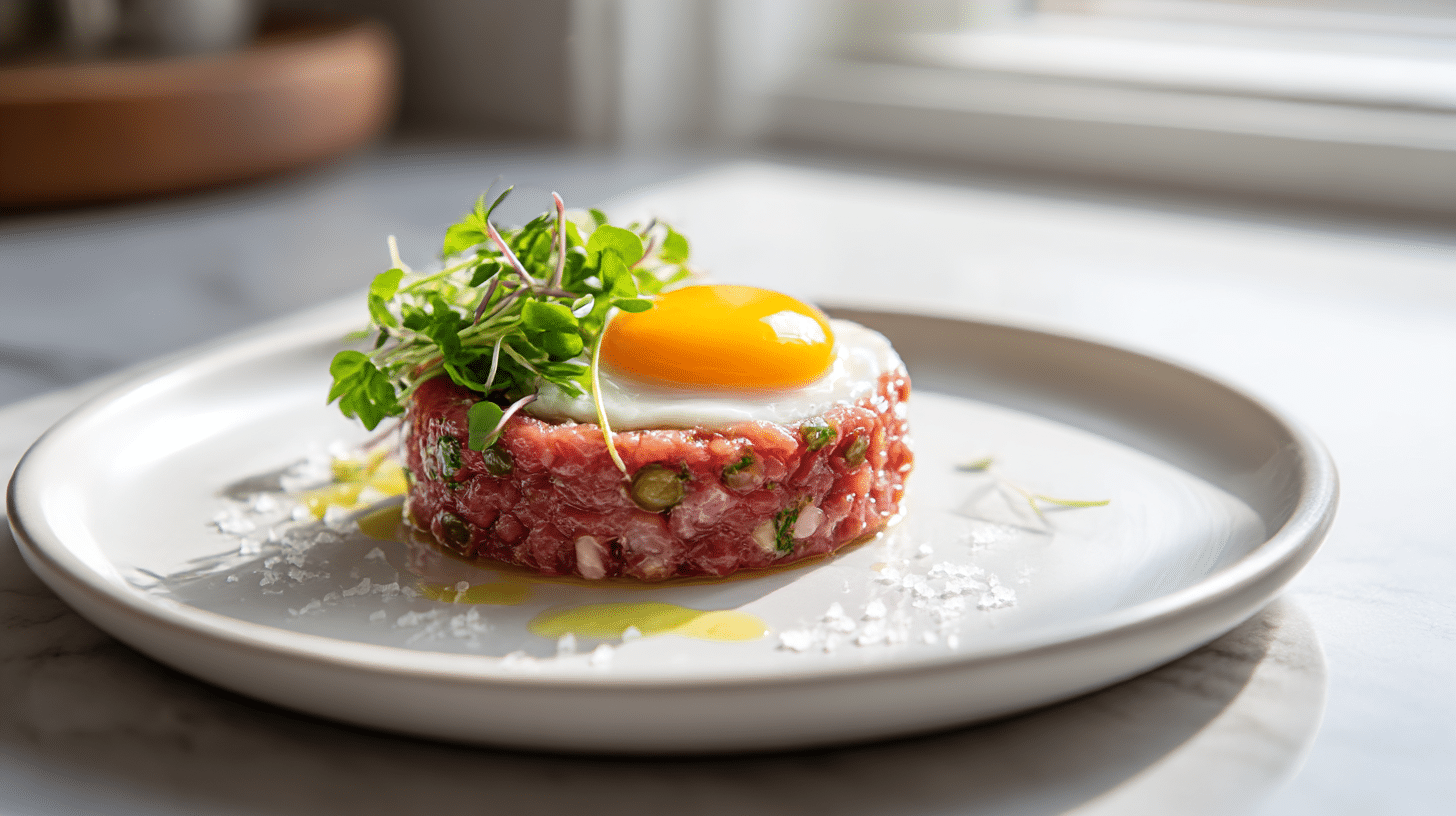

Gordon Ramsay's Steak Tartare
Ingredients
Equipment
Method
- Sourcing ingredients from a reputable butcher or local farm is essential; ask for freshly minced beef.
- Chop the beef into 1–2 cm cubes using a sharp knife for ideal texture.
- In a bowl, combine diced beef with chopped shallots, capers, garlic, Dijon mustard, and Worcestershire sauce. Mix gently, avoiding turning it into a paste.
- Chill the mixture for about 30 minutes to enhance flavors. Ideal serving temperature is around 4°C (39°F).
- Mold the mixture into a round shape using a ring mold; press gently to avoid collapsing.
- Before serving, adjust seasoning as needed; add lemon juice for extra zing if desired.
- Chill the assembled tartare again for about 30 minutes to firm it up.
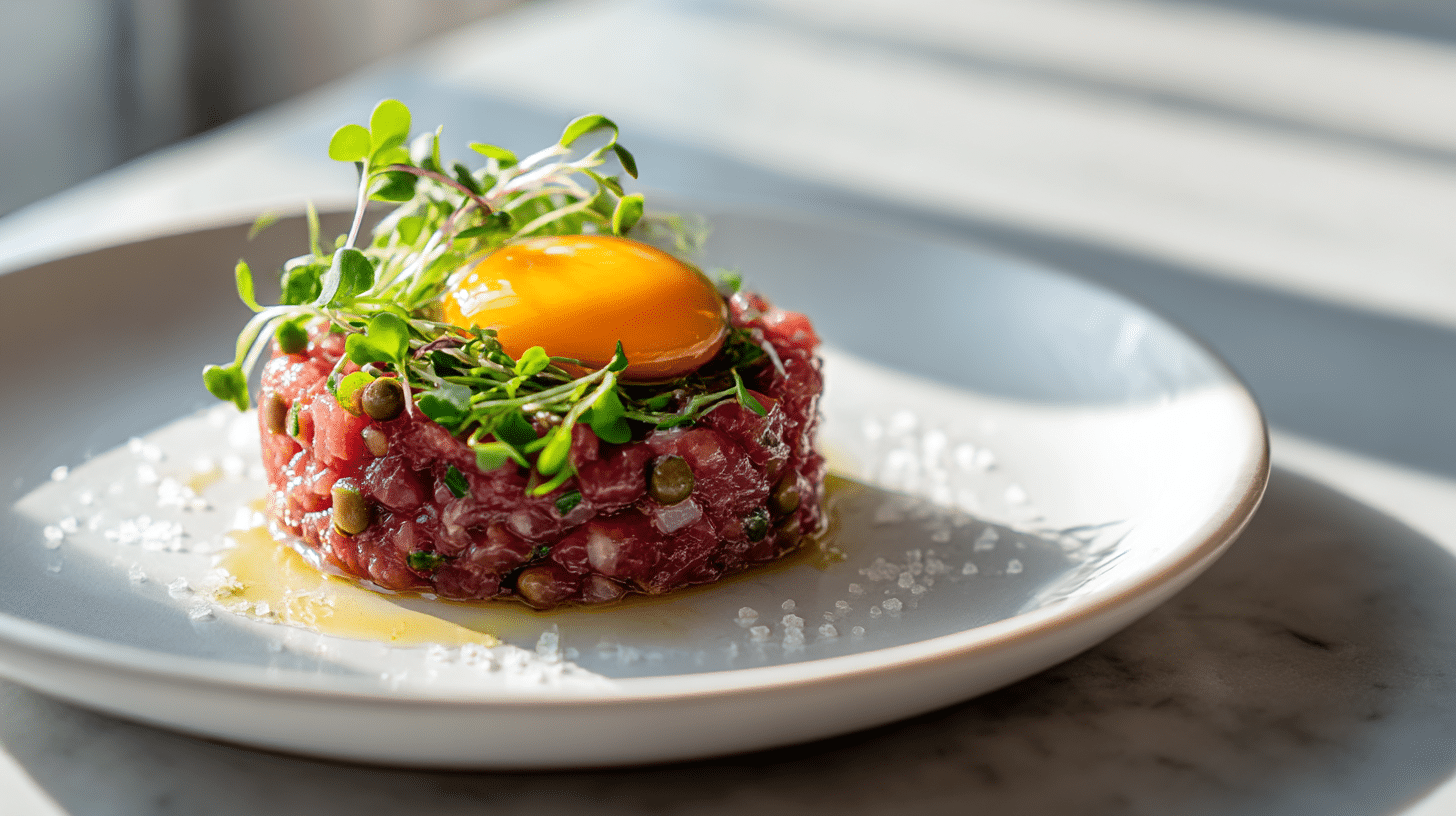
- Garnish with microgreens, drizzle with olive oil, and sprinkle flaky sea salt just before serving.
Nutrition
Notes
Love this recipe?
Give us 5 stars and comment!Essential Ingredients for the Perfect Steak Tartare
Selecting Quality Beef Cuts
For gordon ramsay steak tartare, choosing the right beef is crucial. Go for cuts like tenderloin or sirloin—they’re lean and flavorful. Plan for at least 150g per serving, and opt for grass-fed beef whenever possible. Freshness is key; you want your meat to be as fresh as it can be.
Fresh Aromatics
Don’t skip fresh aromatics in your tartare. Think about shallots, capers, and a hint of garlic—just enough to enhance without overwhelming the dish. Chop them finely so they mix well. A little goes a long way, but quality matters!
Essential Seasonings
Salt, pepper, and mustard are the basic seasonings you’ll need. Use Dijon mustard for an added kick, and remember to splash in some Worcestershire sauce! These ingredients should enhance the natural flavors without masking them. Taste as you go to get the balance just right.
Perfect Accompaniments
Pair your steak tartare with simple sides. Try crispy baguette slices or a light salad with lemon vinaigrette. Don’t skip the egg yolk! It’s a classic ingredient that adds richness. This dish is all about contrast—keep it fresh and uncomplicated.
Mastering Prep and Technique
Sourcing Ingredients
To whip up a great gordon ramsay steak tartare recipe, you need to have a good sourcing strategy. Find a reputable butcher or a local farm where you can trust the meat quality. Ask for the meat to be freshly minced, and consider visiting on weekends for the best selection.
Knife Skills for Dicing
When chopping your beef, sharp knives will serve you best. Aim for 1–2 cm cubes for that perfect texture. If you prefer a finer chop, take your time and cut for even pieces to ensure consistent flavor in every bite.
Mixing Ingredients
In a bowl, combine your diced beef with aromatics and seasonings. Mix gently—you want to avoid turning it into a paste. Using your hands is the best approach to maintain that perfect texture. Don’t forget to taste; adjust as needed!
Temperature Control
Keep everything cool! Before you begin, chill your ingredients and tools to maintain freshness and safety. Serving temperature should be around 4°C (39°F). If it’s too warm, you risk muddled flavors and a mushy texture.
Step-by-Step Assembly
Forming the Tartare
Mold your mixture into a round shape using a ring mold; it adds a nice touch and keeps everything together. Press gently but firmly to avoid collapse. It’s essential not to overdo it—let the meat shine!
Balancing the Flavors
After forming, take a moment to taste once more. If it needs a little zing, add a splash of lemon juice or more Dijon. Flavor balance is your best ally—find that sweet spot between salty, tangy, and rich.
Chilling the Dish
Once assembled, chill your tartare for about 30 minutes. This enhances the flavors and firms everything up a bit. It’s necessary to keep everything fresh and safe!
Final Garnishing
Before serving, add finishing touches like microgreens, a drizzle of olive oil, or a sprinkle of flaky sea salt. A little visual flair makes a difference—you want it to look Instagram-worthy!
Exploring Variations and Adjustments
Classic French Style
To give it a classic twist, include ingredients like cornichons and herbs de Provence. This adds depth and brings a bit of French influence to your plate. Serve it with a side of frites for the full experience!
Spicy Additions
Feeling adventurous? Add diced jalapeños or a dash of hot sauce for an extra kick! Just make sure it complements the other flavors without overpowering them. Start small, and build up; you can always add more.
Condiment Swaps
Change up your condiments to create a unique flavor profile. Consider adding truffle oil for a touch of luxury or swapping Worcestershire for a quality soy sauce. Experiment and find what works for you!
Stunning Plating Techniques
A well-plated dish makes the meal special. Use a ring mold, garnish with herbs, or drizzle sauces artistically. Make each serving a mini work of art—after all, we eat with our eyes first!
Essential Troubleshooting Tips
Identifying Off Flavors in Meat
If your tartare tastes off, you might be dealing with stale meat. Always do a smell test before cooking. When in doubt, throw it out; safety should always come first!
Achieving Consistent Texture
If your tartare feels too mushy, you may have mixed it too much. Next time, be gentle, and try chilling your meat beforehand. Remember, a careful hand creates beautifully textured tartare.
Avoiding Over-Seasoning
Add seasonings gradually. If it tastes too salty, balance it with some olive oil or more fresh toppings. Always taste as you go to prevent over-seasoning mistakes.
Solving Presentation Issues
If your tartare keeps falling apart, it may not be packed tightly enough. Use that ring mold and press it down firmly. Presentation matters—don’t let your hard work go unnoticed!
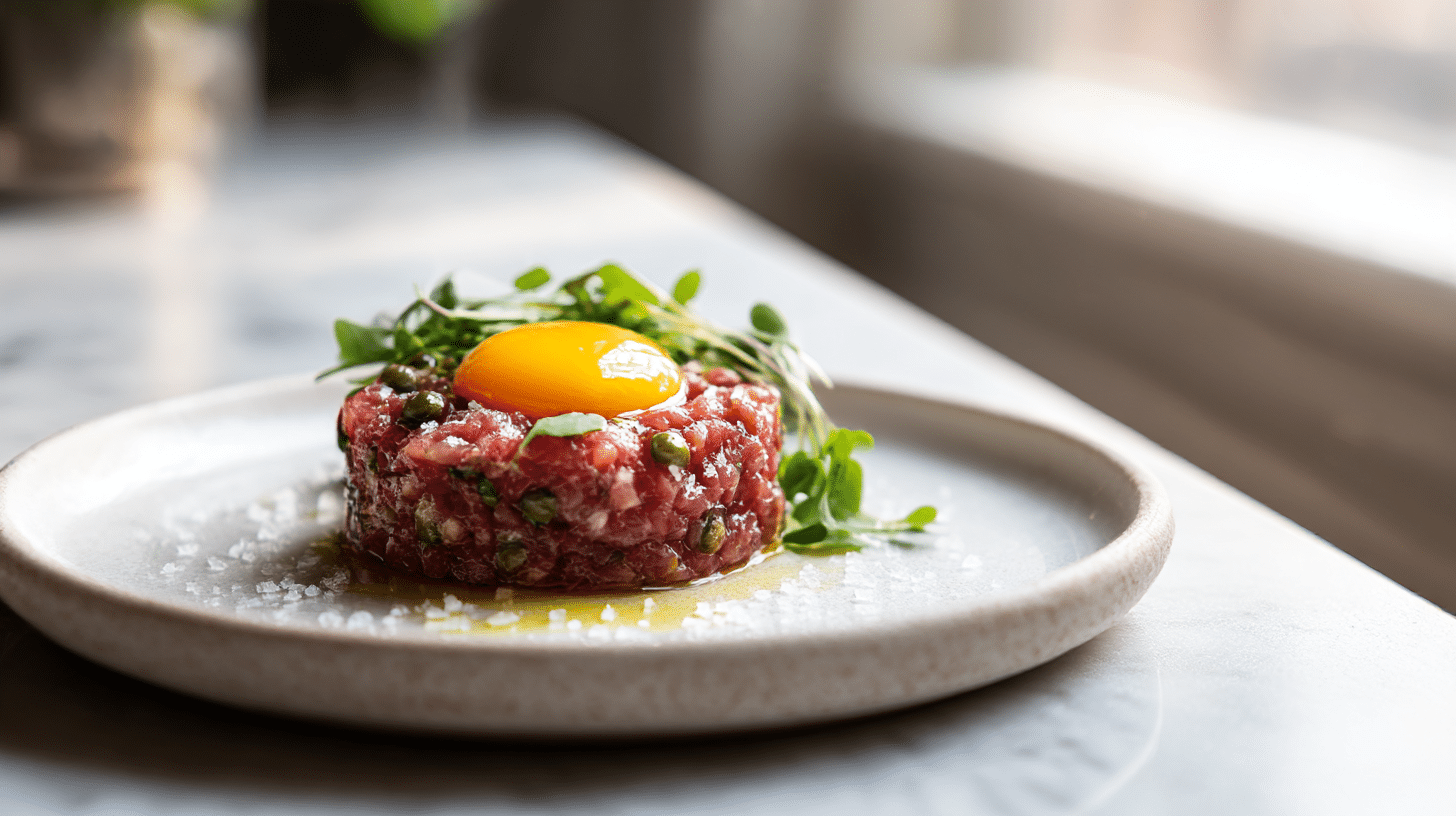
Step-by-Step Video: Steak tartare #steaktartare
FAQ – gordon ramsay steak tartare
How do I ensure ingredient safety for steak tartare?
Use only the freshest beef from a reputable source and keep it chilled until ready to serve.
What is the best cut of beef for tartare?
Choose lean cuts like tenderloin or sirloin for the best texture and flavor.
Can I prepare steak tartare in advance?
Yes, but it’s best to mix ingredients just before serving to maintain freshness.
What should I serve with steak tartare?
Common accompaniments include toasted bread, capers, and a quail egg on top.
Before you start cooking…
Nailing Gordon Ramsay steak tartare feels like unlocking a secret level in your cooking game. Each bite bursts with freshness, and the inviting aroma lingers in the air like a promise of luxury. Finally getting it right means you melt that intimidation into confidence—it’s no longer just a fancy dish, it’s your creation, your triumph. So go ahead, showcase your creations on Instagram, and don’t forget to explore your flavor boundaries. Now it’s your turn — make it bold, make it yours.