Gordon Ramsay Roast Pork Loin Recipe
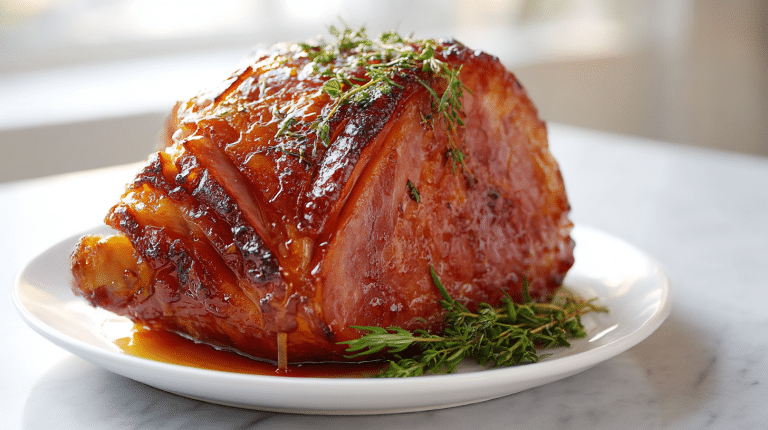
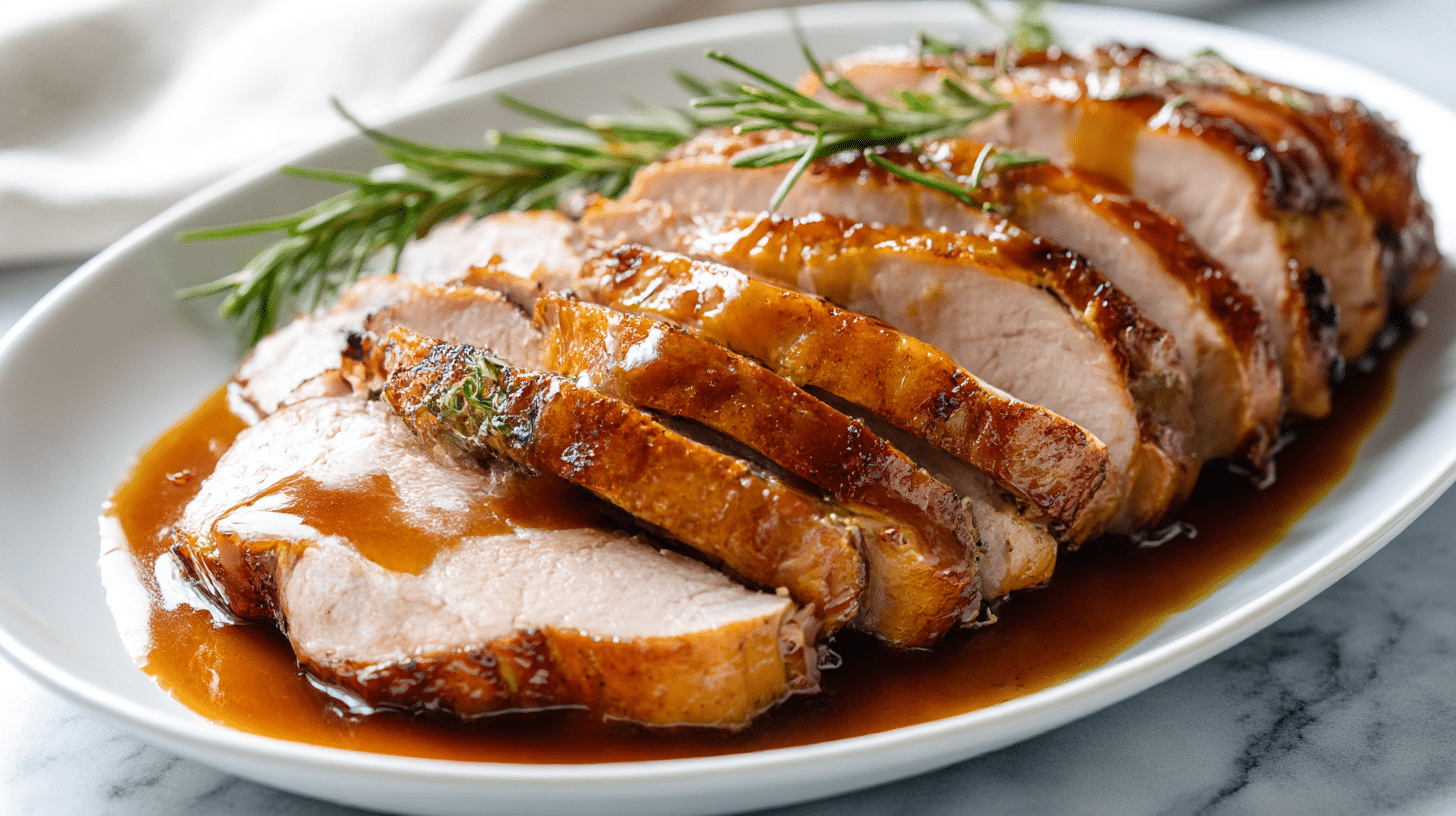
Gordon Ramsay roast pork loin is the dish that turned my kitchen failures into triumphs. I’ll never forget the time I butchered a dinner party by serving dry, flavorless meat. But once I embraced Ramsay’s techniques, everything changed. No more guesswork—just juicy, flavorful slices every single time. With the right cut, killer seasoning, and a few essential steps, you’ll serve up a roast that will make you feel like a culinary rockstar. Trust me, there’s nothing like the satisfaction of nailing the perfect roast after fumbling through the kitchen once too often. It’s time to roll up those sleeves and get ready to impress!
Recipe at a Glance – gordon ramsay roast pork loin

Gordon Ramsay Roast Pork Loin
Ingredients
Equipment
Method
- Trim excess fat from the pork loin and pat it dry with paper towels.
- Mix chopped garlic and rosemary with vegetable oil to create a paste. Rub it all over the loin.
- Generously season the loin with salt and pepper.
- Preheat a skillet over medium-high heat. Add oil and wait for it to shimmer.
- Sear the loin on all sides for 2-3 minutes per side until browned.
- Transfer the loin to a preheated oven at 200°C (400°F). Cook for about 25-30 minutes per kg.
- Check the internal temperature; it should reach 63°C (145°F). Let the meat rest for 10-15 minutes before slicing.
- Deglaze the skillet with stock or wine, scraping the bottom to incorporate the drippings.
- Bring the mixture to a simmer and reduce by half. Optionally whisk in a tablespoon of butter before serving.
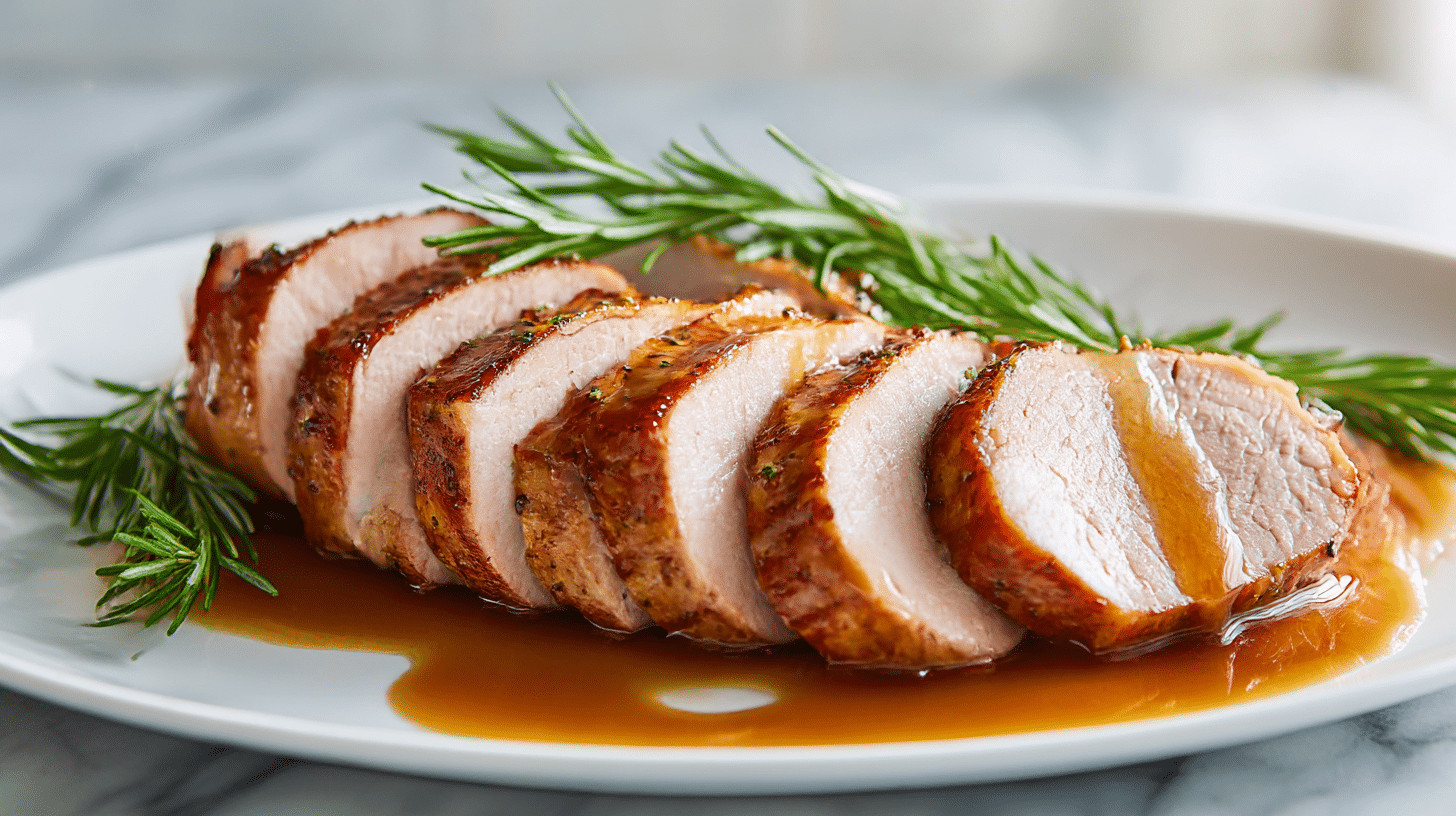
- Slice the roast into even pieces and serve with the sauce drizzled on top.
Nutrition
Notes
Love this recipe?
Give us 5 stars and comment!Core Ingredients for Roast Pork Loin
Pork Loin Cut
Picking the right cut is essential. Go for a center-cut pork loin, weighing around 1.5 to 2 kg (3 to 4 lbs). This cut strikes the right balance of flavor and tenderness, making it perfect for a Gordon Ramsay roast pork loin.
Essential Aromatics
Garlic and rosemary are must-haves. Chop up 4-5 cloves of garlic and roughly tear a handful of fresh rosemary. These ingredients will boost the flavor, so make sure to use enough.
Seasoning Needs
Salt and pepper are your best friends here, but you can sprinkle in a touch of paprika or cayenne for some heat. Aim for about 15-20 g (1-2 tablespoons) of salt and a good grind of pepper. Keep it simple; the goal is to bring out the flavor, not mask it.
Cooking Oil
Choose a neutral oil, like vegetable or canola, to let the meat’s flavor shine. You’ll need about 30 ml (2 tablespoons) for searing. Skip the olive oil—its smoke point won’t hold up while searing!
Preparation Steps
Prepping the Loin
Start by trimming any extra fat—but leave a little for flavor. Pat the loin dry with paper towels; this helps achieve that beautiful crust. You want the surface to be as dry as possible!
Aromatic Mix
Mix your chopped garlic and rosemary with the oil in a small bowl. This will create a lovely paste to rub all over the loin. Make sure to cover every inch. Don’t miss any spots!
Seasoning Techniques
Generously season the loin before applying the aromatic mix. Sprinkle your salt and pepper evenly, hitting the ends too. Get your hands in there; it’s the best tool you have!
Searing Method
Heat Application
Preheat a large pan over medium-high heat. Add your oil and let it shimmer. You want a hot pan—this is key for that delicious sear!
Browning Techniques
Sear the loin on all sides for about 2-3 minutes per side. It’s not just about color; this keeps the juices locked in. Use tongs to turn it—don’t poke it! You want to keep those juices inside.
Cooking Process
Oven Temperature
After searing, move the loin to a preheated oven at 200°C (400°F). This temperature will help develop a crispy outer layer while keeping the inside juicy.
Cooking Time
For a 1.5 kg (3 lb) loin, cooking should take about 25-30 minutes per kg (around 15-20 minutes per pound). Keep an eye on the timer! Don’t wander off; things can go wrong in a hurry.
Internal Temperature Check
Use a meat thermometer to check for doneness at the thickest part. Aim for an internal temperature of 63°C (145°F) for perfectly juicy meat. Let it rest; you’ll be glad you did!
Creating Sauce or Gravy
Deglazing the Pan
Once your pork is resting, use the same pan to make a sauce. Add 125 ml (½ cup) of stock or wine to the pan and scrape up those tasty bits. Don’t skip this step; those drippings are gold!
Sauce Reduction Techniques
Bring the deglazed mixture to a simmer and reduce it by about half for a concentrated flavor. For a bit more richness, whisk in a tablespoon of butter before serving. A little fat makes everything better!
Finishing Touches and Serving
Resting the Meat
Let your roast sit for at least 10-15 minutes before slicing. This helps the juices redistribute, so every bite is tender. Be patient; no one likes dry pork!
Slicing and Plating
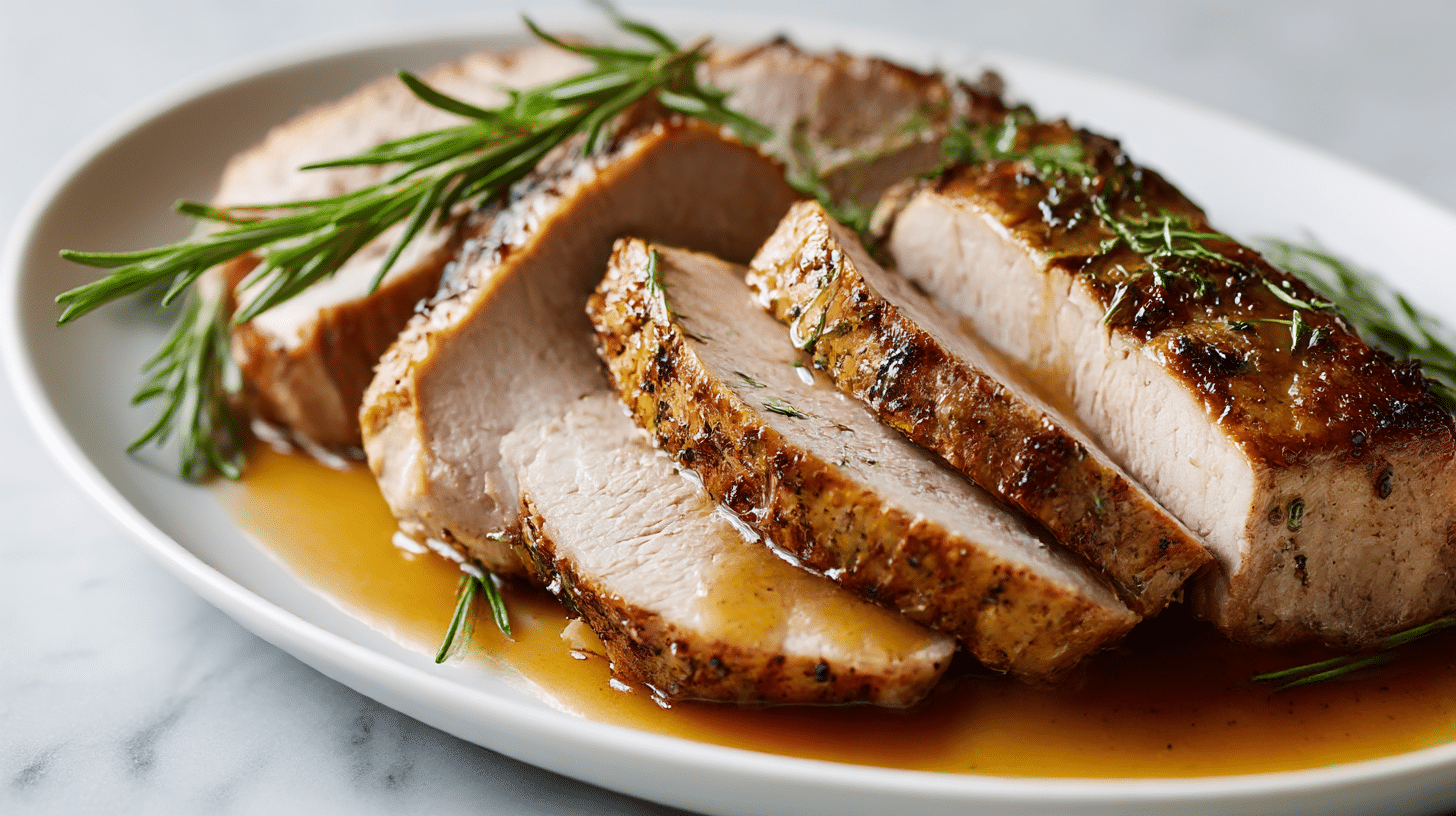
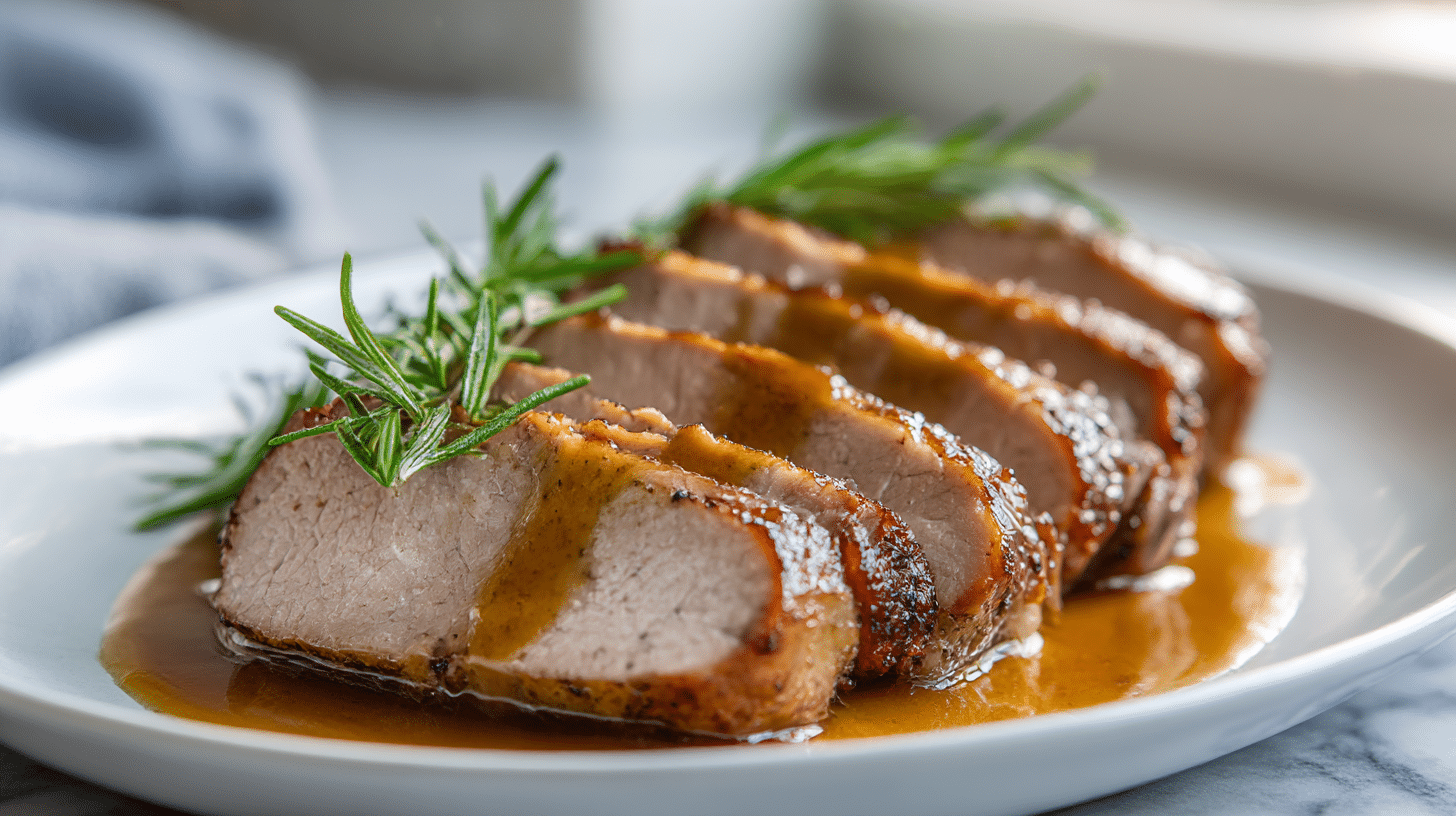
Use a sharp knife for even slices, about 1-2 cm thick. Serve it with your sauce drizzled on top, and don’t forget those crispy roast potatoes or seasonal veggies on the side. Presentation counts; eat with your eyes first!
Step-by-Step Video: Gordon Ramsay Roasted Rolled Pork Loin Recipe with …
FAQ – gordon ramsay roast pork loin
How do I properly sear pork loin?
Preheat a skillet until hot, add oil, then sear the pork on all sides until golden brown, about 2-3 minutes per side.
What temperature should I roast the pork loin?
Roast at 400°F for a crispy exterior, cooking to an internal temperature of 145°F for perfect doneness.
How long should I let the pork rest?
Rest for 10-15 minutes after cooking to allow juices to redistribute for more tender meat.
How do I know when the pork is done?
Use a meat thermometer; look for 145°F in the thickest part, then let it rest before slicing.
Before you start cooking…
You’ve done it! That Gordon Ramsay roast pork loin is nothing short of a triumph. Picture those beautifully sliced pieces, glistening with juices, topped with a rich sauce that calls out to be devoured. The aroma fills the kitchen, making your heart race with pride. There’s nothing quite like the rush of cooking something right after countless attempts at disaster. It’s not just delicious; it’s a testament to your grit and growth in the kitchen. Now it’s your turn—don’t overthink it. Make it bold, make it yours, and let that roast become the star of the show at your next gathering!