Gordon Ramsay Prime Rib Roast Beef Recipe
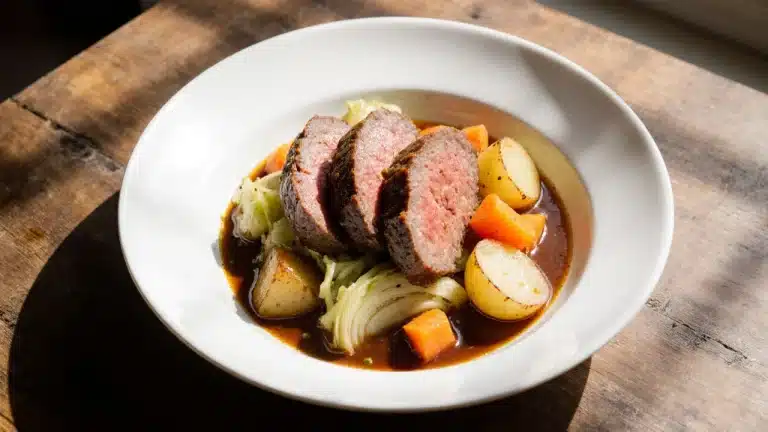
Gordon Ramsay prime rib roast beef is not just another dinner — it’s an experience that engages all senses! The first time I attempted this majestic cut, I barely survived the kitchen chaos and served a slab of meat so dry it could’ve been mistaken for shoe leather. But after countless trials and errors, plus a stern talking-to from Chef Ramsay in my head, I found the secrets to achieving a tender, flavorful roast that makes taste buds dance. The best part? This recipe will save you time and boost your confidence as you nail this roast like a pro — no sweat, just pure deliciousness.

Recipe at a Glance – gordon ramsay prime rib roast beef
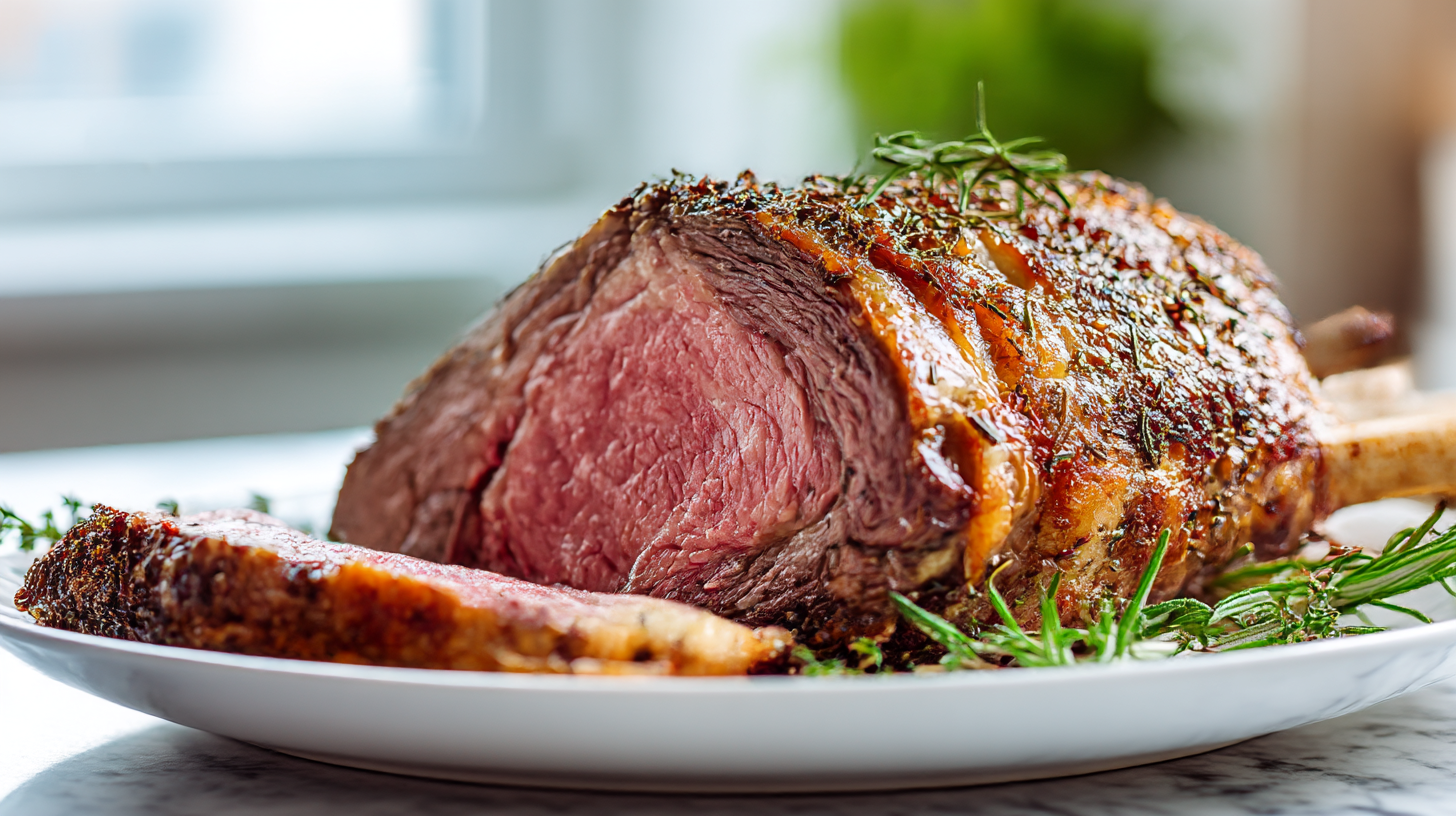

Gordon Ramsay Prime Rib Roast Beef
Ingredients
Equipment
Method
- Let the prime rib sit out for about an hour to bring to room temperature.
- Preheat the oven to 220°C (425°F) for at least 20 minutes.
- Mix butter with chopped herbs, garlic, salt, and pepper to create a rub. Apply it to the prime rib, ensuring to cover all sides.
- In a skillet, sear the beef on all sides for 5-6 minutes each side on medium-high heat.
- Transfer the seared meat to the oven and roast for 20-25 minutes per 500g at 135°C (275°F) for medium-rare.
- Baste the meat every 30 minutes with the drippings to keep it moist.
- Once cooked, let the prime rib rest for at least 20-30 minutes before slicing.
- For the red wine reduction sauce, simmer the pan drippings with red wine until thickened, then strain.
- For the horseradish cream, mix sour cream, horseradish, lemon juice, and salt.
Nutrition
Notes
Love this recipe?
Give us 5 stars and comment!Choice Cuts of Beef
To create the perfect gordon ramsay prime rib roast beef, you need to start with the right cut. Look for “prime” grades like the ribeye. A good amount of marbled fat is key because that’s where the flavor comes from. If prime isn’t available, don’t worry; choice cuts can work just fine as long as you adjust the cooking time.
Aromatics and Herbs
A classic prime rib deserves refined flavors. Think about using garlic, rosemary, and thyme. Fresh herbs provide a nice contrast to the richness of the beef. Use 2-3 tablespoons of chopped herbs blended with your seasonings for amazing aroma and flavor.
Seasoning Essentials
Don’t hold back on salt! Use coarse sea salt for a crunchy crust. Add some black pepper and a touch of garlic powder for extra flavor. Pro tip: Let the seasoning sit on the meat for at least an hour to let those flavors really soak in.
Cooking Fats (Butter, Oils)
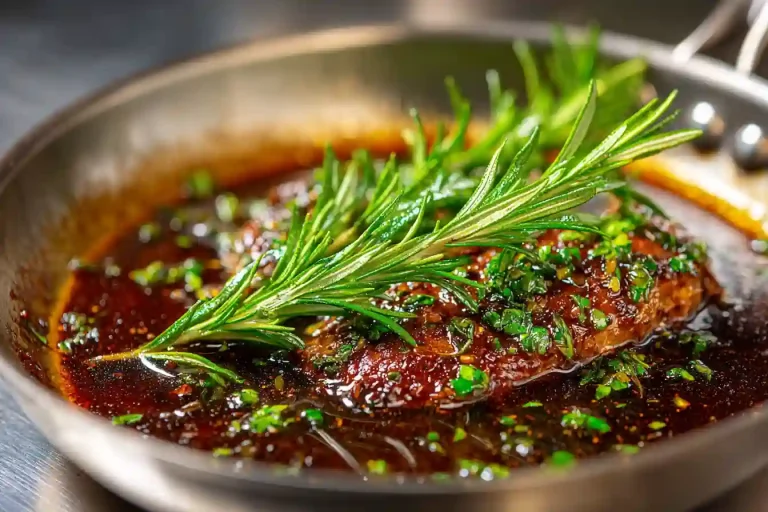
Butter is the star here; it adds richness and helps to achieve that gorgeous crust. You can also use olive oil, but butter truly shines. For a gourmet touch, mix 75g of softened butter with herbs for a rub that’ll really elevate your dish.
Preparation and Techniques
Meat Tempering
Before cooking, let your beef come to room temperature. Allow it to sit out for about an hour. This step helps cook it evenly. Timing matters—don’t skip this step.
Herb and Seasoning Rub
Combine your herbs and seasoning with that lovely butter you prepared. Rub it all over the meat, making sure to get into all the crevices for maximum flavor. This step is vital; a good rub leads to a fantastic crust.
Preparing the Roasting Pan
Grab a sturdy roasting pan and place a rack inside. This allows air circulation and helps with even cooking. Don’t forget to line the bottom with vegetables like carrots and onions to enhance flavor and create a natural base for your gravy later.
Preheating the Oven
Set your oven to 220°C (425°F) and let it preheat for at least 20 minutes. A hot oven is essential for that initial sear. Don’t even think about putting the meat in until it’s ready.
Cooking Steps for Prime Rib
Searing the Meat
Start with a quick sear on all sides of the beef. This should take about 5-6 minutes per side over medium-high heat. Searing locks in the juices and gives you that crust your taste buds crave.
Roasting Time and Temperature
After searing, transfer it to the oven. Cook for about 20-25 minutes per 500g at 135°C (275°F) for medium-rare. Use a meat thermometer to aim for an internal temperature of 50-55°C (120-130°F), as it will continue to cook while resting.
Basting Throughout Cooking
Basting keeps the meat moist. Every 30 minutes, use a spoon to pour those lovely drippings back over the beef. This step is key if you want juicy, flavorful meat, so don’t skip it!
Resting the Meat
Once cooked, let your prime rib rest for at least 20-30 minutes. This gives the juices a chance to redistribute. Resting is a must; otherwise, you’ll end up with dry meat.
Sauces and Accompaniments
Red Wine Reduction Sauce
Use the pan drippings to create a delicious wine reduction. Simmer with 250ml of red wine until it thickens, then strain. This sauce is rich, smooth, and makes your prime rib really stand out. You can check out more about prime rib roast beef there.
Horseradish Cream Sauce
Mix sour cream with horseradish, a squeeze of lemon, and a pinch of salt. This tangy sauce balances the richness of the beef perfectly. Simple and effective!
Choosing Side Dishes
Consider classic sides like roasted vegetables or creamy mashed potatoes. A fresh, light salad can also provide a nice balance to the rich flavors. Experiment, but keep it straightforward; let the beef be the star.
Variations and Adjustments
Herb Variations
Feeling adventurous? Switch things up with different herbs! Try dill or parsley for a new taste profile. A hint of coffee or smoked paprika can also add a fun twist to your rub.
Cooking Method Adjustments
If you’re short on time, consider roasting at a higher heat. Cook at 180°C (350°F) for a shorter time, but keep an eye on the internal temperature to avoid overcooking. You can even use an air fryer for smaller cuts!
Marinades and Rubs
Want to boost the flavor? Marinate in a red wine mixture overnight or use a coffee rub. Just remember, strong flavors can easily overpower the beef, so be careful.
Troubleshooting Common Issues
Overcooked Prime Rib
If your prime rib is overcooked, there’s no going back. However, slicing it thinly can help mask the dryness. Serve it with a sauce to add moisture back in.
Uneven Cooking
If some parts of your roast are undercooked, it may be due to the size or shape of your cut. Always use a meat thermometer and aim for an even thickness.
Lack of Flavors
Did your beef turn out bland? That usually means you didn’t use enough seasoning. Don’t hold back on the salt, and make sure your rub is fresh. Step it up next time to avoid this issue!
Sauce Preparation Issues
If your sauce is too thin, simmer it longer. If it’s too salty, add a splash of water or a bit of sugar to balance it out. Get it right; a good sauce can really elevate your meal!

Step-by-Step Video: Prime Rib Roast with Chef Gordon
FAQ – gordon ramsay prime rib roast beef
How do I sear the prime rib?
Heat the pan until smoking, add oil, then place the meat in to sear for 3–4 minutes on each side until browned.
What temperature should I roast it at?
Start at 450°F for the first 20 minutes, then reduce to 325°F until the desired doneness is reached.
How long should I rest the meat?
Let the prime rib rest for at least 20–30 minutes before slicing to retain juices.
How do I prevent dry meat?
Use a meat thermometer to monitor internal temperature and avoid cooking beyond the target doneness.

Before you start cooking…
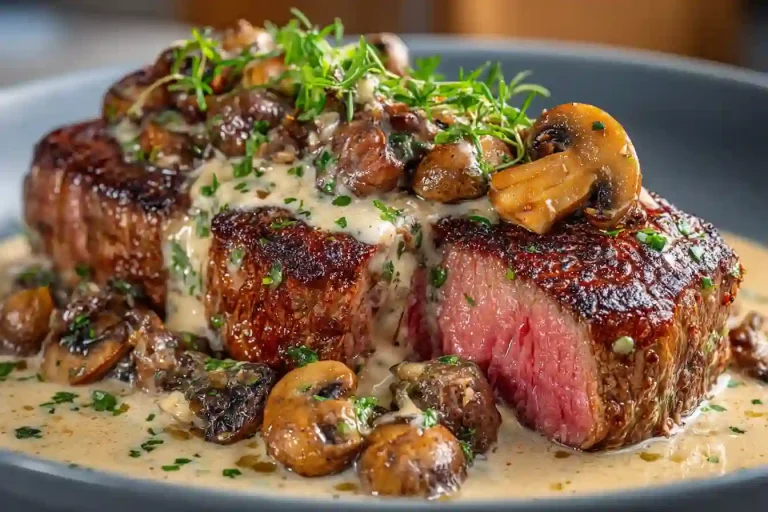
Finally nailing the Gordon Ramsay prime rib roast beef felt like a culinary rite of passage! The moment I sliced into the perfectly medium-rare center, juices flowed and the aroma wafted through the kitchen, wrapping around me like a warm hug. Every bite melted in my mouth, a perfect harmony of deep flavor and rich texture. If you’ve struggled in your kitchen in the past, pull up your sleeves and dive into this recipe; it’s time to transform your confidence. Now it’s your turn — make it bold, make it yours.