Gordon Ramsay Hungarian Goulash Recipe
Gordon Ramsay Hungarian goulash is a game-changer in the winter comfort food department. I used to think throwing everything into a pot would magically create a hearty dish, but boy, was I wrong. It’s all about the right ingredients and techniques to coax out deep flavors. This recipe will give you more than just a warm belly; it’ll boost your confidence in the kitchen. With a bit of time and patience, you can turn simple ingredients into a succulent stew that’ll make you feel like a culinary rockstar. Anyone can brown meat, but knowing how to flavor it up like Ramsay does? That’s where the magic happens.
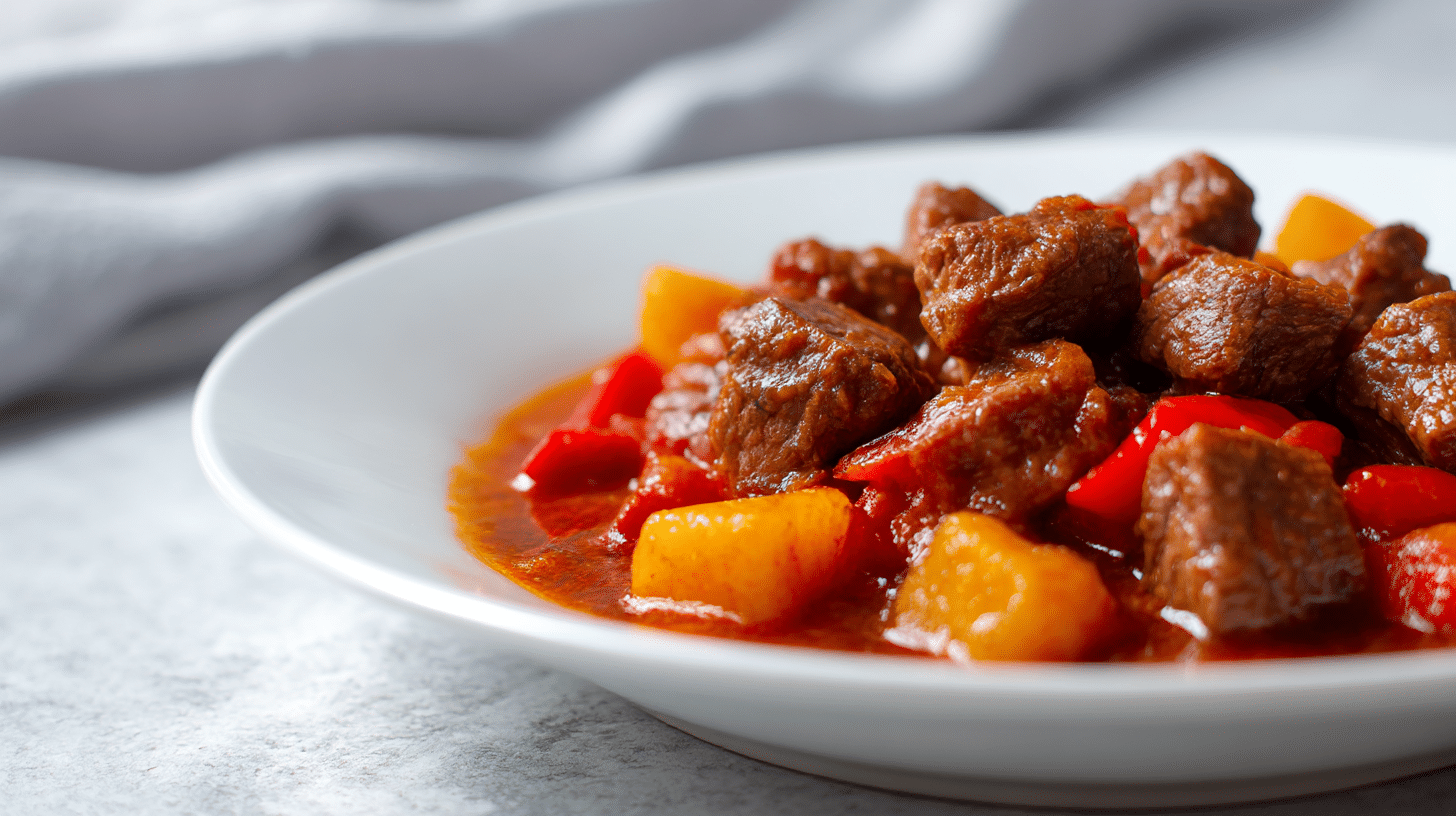
Recipe at a Glance – gordon ramsay hungarian goulash
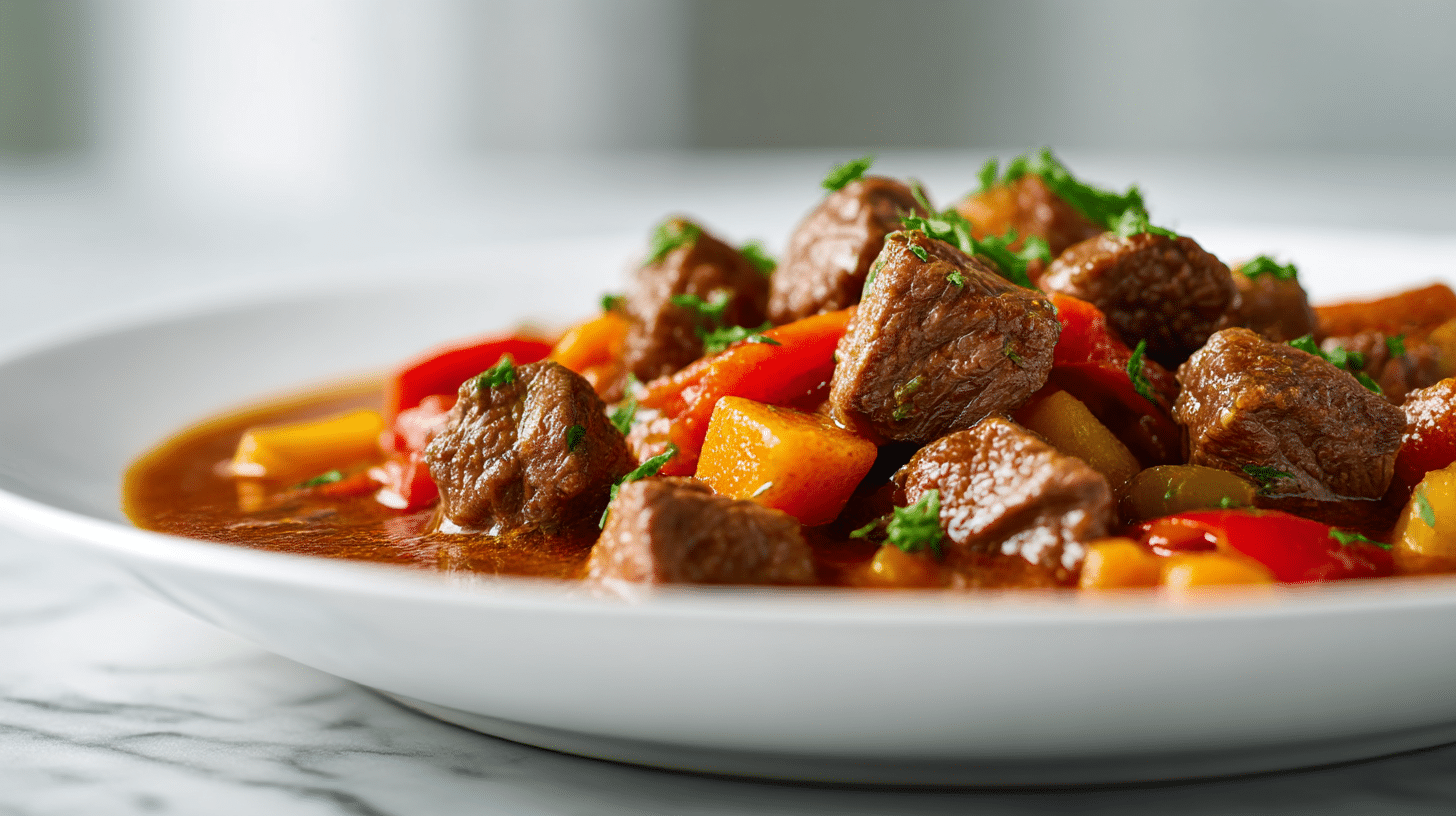

Hungarian Goulash
Ingredients
Equipment
Method
- Before you start cooking, prepare all ingredients: chop onions, garlic, and beef.
- Heat oil in a pot until shimmering, then brown the beef in batches for 5-7 minutes each.
- Once browned, lower the heat and add onions and garlic; sauté for 3-4 minutes.
- Deglaze the pan with 250 ml of broth, scraping the bottom for flavor, and let it simmer for a minute.
- Add the beef broth and paprika; bring to a simmer and cook on low for 1.5 to 2.5 hours.
- After simmering, add carrots and bell peppers 30 minutes before finishing if desired.
- Taste and adjust seasoning before serving; a splash of vinegar can balance the flavors.
- Serve hot with crusty bread or over egg noodles.
Nutrition
Notes
Love this recipe?
Give us 5 stars and comment!Essential Ingredients for Hungarian Goulash
Key Proteins: Beef Chuck
For a flavorful goulash, beef chuck is the way to go. This cut is tough but full of flavor, breaking down nicely during cooking. Aim for about 800–900 g, cut into 2.5 cm cubes. It forms the base of your dish, bringing richness to every bite.
Aromatics: Onion and Garlic
Don’t skip on the aromatics! Onions (2 large) and garlic (4 cloves) create your flavor base. Chop them finely. Their sweetness enhances the stew, while garlic adds that necessary kick. Cook the onions until they’re translucent, then add garlic towards the end to keep it from turning bitter.
Seasoning Essentials: Hungarian Paprika
This is where you grab that authentic flavor: Hungarian paprika. Use about 2-3 tablespoons. It’s not just for color; it gives your goulash its signature taste. Keep it in a cool, dark place to maintain its flavor.
Stock or Sauce Base: Beef Broth
For a rich goulash, you’ll want about 1 liter of beef broth. This adds depth and enhances flavors. Homemade broth is best, but store-bought works just fine. Avoid using water, as it will dilute the richness.
Prep and Techniques
Mise en Place and Knife Prep
Before you cook, get everything ready. This means chopping your onions, garlic, and beef—do everything ahead of time. This makes the cooking process smoother and keeps chaos at bay. Always use clean, sharp knives; a good chef appreciates their tools!
Browning the Beef
Don’t rush this step! Heat oil in your pot until it’s shimmering and brown the beef in batches. This creates a fantastic crust that locks in flavor. Each batch should take around 5-7 minutes. If you crowd the pot, the beef will steam instead of sear, so keep it spaced out.
Heat Control: Searing
Searing is key. Medium-high heat is ideal to develop that nice brown crust on the meat. If it’s smoking, turn down the heat slightly; you want a steady sizzle, not a burnt disaster. Keep an eye on the temperature!
Combining Ingredients
Once the beef is browned, add in the onions and garlic to sauté in that flavorful fat. Stir well to combine and lift the fond from the bottom of the pot—those browned bits add serious flavor! This step takes about 3-4 minutes.
Cooking Steps
Time and Temperature for Stewing
After everything’s combined, lower the heat and let it stew. Aim for 1.5 to 2.5 hours at low heat (about 100-120°C/200-250°F). This breaks down the meat and melds flavors beautifully. Keep the lid on but slightly ajar to let steam escape.
Deglazing the Pan
Don’t miss out on that flavor! After browning, deglaze with a splash of broth (around 250 ml) to lift those tasty bits off the bottom. Scrape with a wooden spoon while simmering, and watch those flavors deepen.
Simmering for Flavor Development
Now, add your broth and paprika to the pot. Let this simmer gently for 45 minutes after the initial 1.5 hours. Low and slow is key; patience is a vital ingredient! Stir occasionally to prevent sticking.
Final Seasoning Adjustments
Taste as you go. When the goulash is done, adjust your seasoning. You might need a bit more salt or paprika depending on your taste, but do it gradually. A splash of vinegar can help balance flavors if it feels too rich.
Variations and Adjustments
Adding Vegetables: Carrots and Peppers
Feel free to change it up! Adding sliced carrots and bell peppers brings sweetness and color. Toss them in about 30 minutes before the goulash is done to keep them vibrant yet tender.
Spice Adjustments: Heat Level
Want some heat? Try adding cayenne or chili flakes. Start small—about 1/4 teaspoon—and adjust to your preference. Remember, goulash should have warmth but shouldn’t feel like a fireball.
Thickening Techniques: Roux or Flour
If your goulash is too thin, consider making a quick roux. Mix equal parts flour and fat (about 2 tablespoons each) in a pan, cook for a minute, and stir it into the stew. Alternatively, you can mix in a bit more paprika or even cornstarch to thicken it up.
Serving Suggestions: With Bread or Noodles
Serve your goulash hot with crusty bread or over egg noodles. Pair it with a side salad for some crunch. A dollop of sour cream on top adds comfort—it’s the perfect finishing touch!
Troubleshooting
Tough Meat Issues
If your beef is still tough after cooking, it probably needs more time. Be patient; let it simmer longer on low heat until it’s fork-tender.
Over-Reducing Sauce
If your goulash sauce is too thick, just add a splash more broth or water, gently whisking it together. This can save your dish from being a dry mess.
Lack of Flavor Depth
If your goulash doesn’t taste right, it might need more seasoning or time to simmer. Don’t hold back on salt and paprika; they’ll boost the flavor!
Seasoning Imbalance
If it’s too salty or spicy, balance it out with a pinch of sugar or vinegar. It’s all about finding the right mix; think of it like a dance—find your rhythm.
Storage Tips
Storage and Refrigeration
Let the goulash cool, then store it in an airtight container for up to 3 days in the fridge. For longer storage, freeze it for up to 3 months. Just remember to label it because nobody wants to defrost a mystery meal!
Reheating Techniques
To reheat, gently warm it on the stove over low heat, stirring often. If frozen, it’s best to thaw in the fridge overnight and then reheat. Microwaving is an option, but you may lose some of that nice depth of flavor.
Can I Use Different Meats?
Absolutely! While this recipe focuses on beef, pork or chicken can also work, but they will require different cooking times. Use chicken thighs for poultry—juicy and flavorful!
Clarification on Paprika Types
There are several types of paprika, like sweet, hot, or smoked. For gordon ramsay hungarian goulash, stick with the sweet Hungarian paprika to keep it authentic. Feel free to experiment with others, but know your base to maintain tradition!
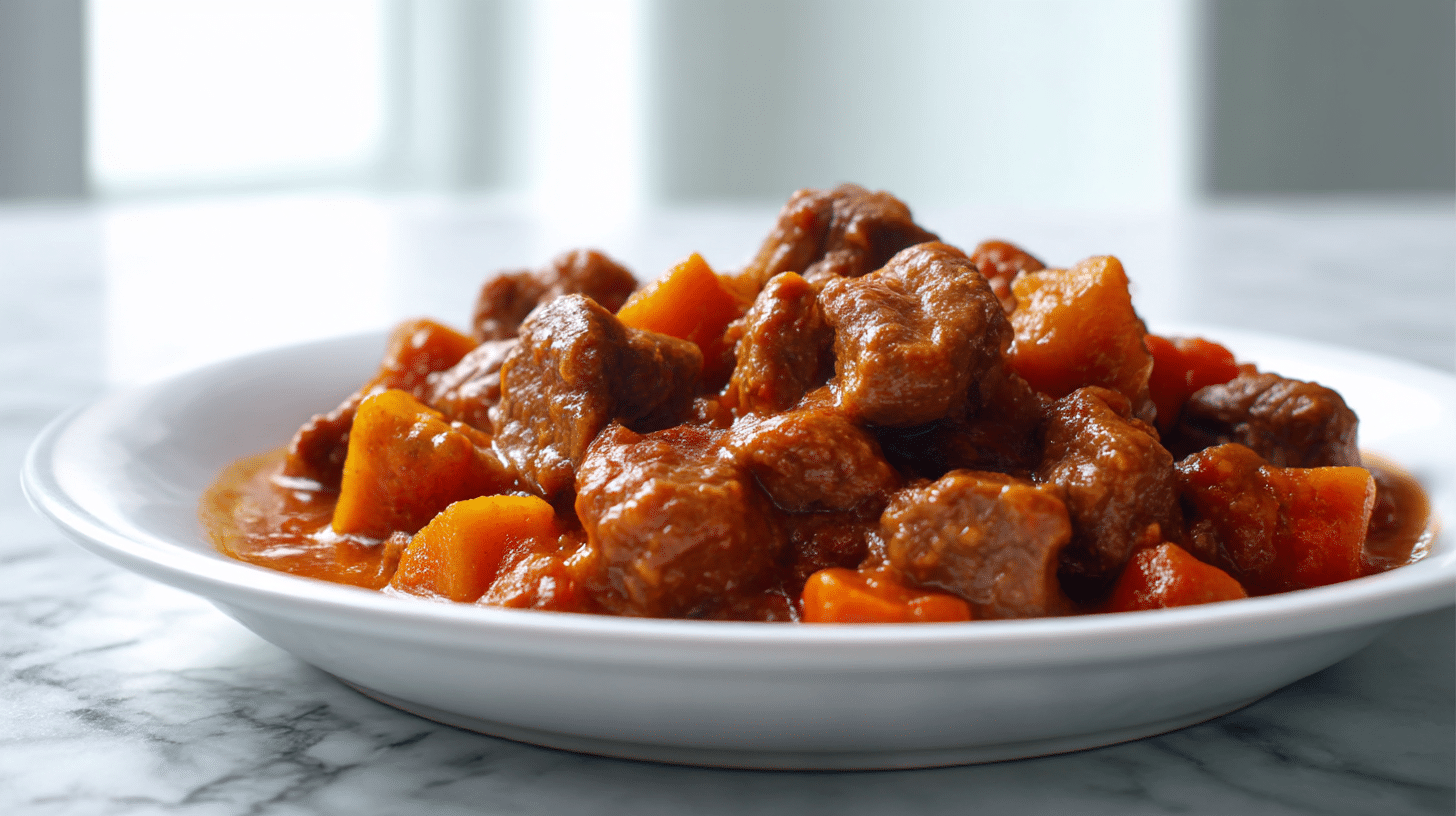
Step-by-Step Video: Hungarian Beef Goulash | Delicious and very easy to make …
FAQ – gordon ramsay hungarian goulash
How long should I cook the goulash?
Cook for about 2–3 hours on low heat until the beef is tender.
What kind of beef is best for goulash?
Use beef chuck for its flavor and tenderness when slow-cooked.
Can I make goulash ahead of time?
Yes, it tastes even better the next day after the flavors meld.
What should I serve with goulash?
Serve with crusty bread or over egg noodles for a complete meal.
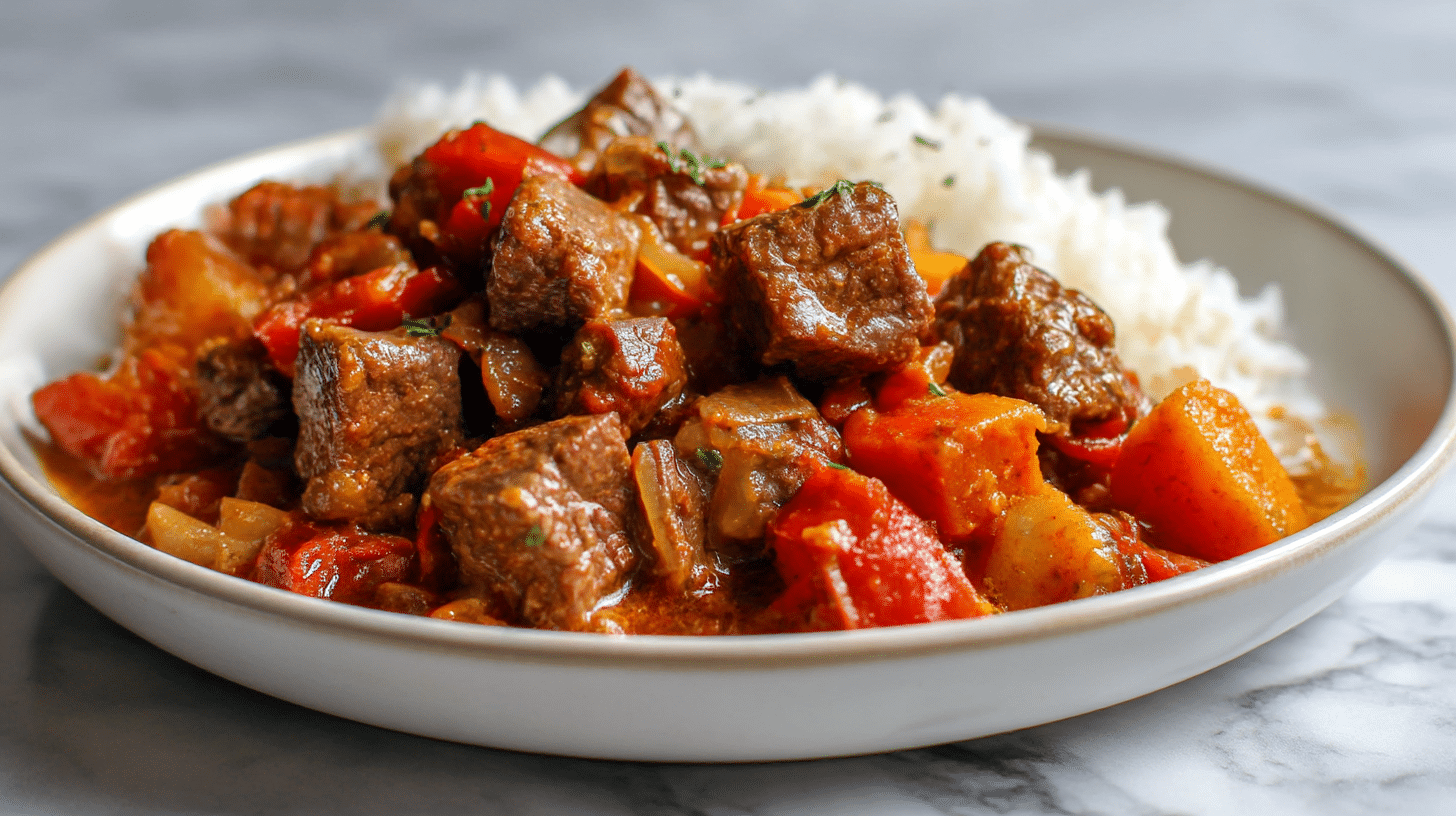
Before you start cooking…
Now that you’ve tackled Gordon Ramsay’s Hungarian goulash, you might just find it hard to go back to your old meals. That savory aroma wafting through the kitchen, the vibrant colors swirling in your pot, and that first bite — fork-tender beef mingling with rich, aromatic flavors — it’s pure joy. You didn’t just follow a recipe; you took the leap, rolled up those sleeves, and created something amazing. So make it bold, make it yours, and remember: the kitchen is your stage, and you deserve an encore!