Gordon Ramsay Coffee Rub Steak Recipe
Gordon Ramsay coffee rub steak is a flavor bomb that took my grilling game from zero to hero. I remember the days of overcooking my steaks and drowning them in store-bought sauces to mask my mistakes. But with this coffee rub, we’re talking about a transformation! The rich bitterness of espresso mingling with brown sugar for that perfect caramelization—it’s a game changer. Not only does this rub save time on prep, but it guarantees a steak bursting with flavor. No need for a culinary degree here; just the right ingredients and a little passion can elevate your dinner from basic to mouthwatering in no time. Let’s dive in and get those steaks sizzling!

Essential ingredients and kit for a gordon ramsay coffee rub steak
Exact ingredients, amounts, and yield
You want a punchy coffee rub that complements beef without stealing the show. For 4 steaks (each 250–350 g) mix:
- instant espresso or finely ground coffee 18 g (≈3 tbsp)
- brown sugar (light) 20 g (2 tbsp packed)
- smoked paprika 6 g (2 tsp)
- garlic powder 4 g (1 tsp)
- onion powder 4 g (1 tsp)
- ground black pepper 5 g (1 tsp)
- kosher salt 12 g (2 tsp)
This makes roughly 70 g of rub — enough for four steaks with a thin coating (≈15–20 g rub per steak). If you use fine table salt, reduce to about 9 g (1½ tsp). For a single steak halve the quantities. I prefer a pure instant espresso or freshly ground dark roast; avoid flavored instant mixes. Measure in grams for consistency; tablespoons lie. Yields: 4 seasoned steaks, about 2–3 servings each.
Tools you’ll actually need (no fluff)
Grab a heavy skillet (cast iron or stainless, 25–30 cm), tongs, a reliable instant-read thermometer, a rimmed tray for oven finishing, a wire rack, and kitchen paper. For the grill, use a clean grate and a charcoal or gas heat source that can reach 260–315°C (500–600°F).
If you plan to sear then oven-finish, preheat the oven to 180°C (350°F). For air-fryer cooks, use a basket that fits a 2–3 cm steak. Don’t skip a thermometer — guesstimates wreck dinner. Keep neutral high-smoke-point oil (grapeseed or light olive), butter and a garlic or herb knob for basting, plus a bowl to rest rub-coated steaks before cooking.
Prep timing, temperature targets and food-safety notes
Plan 30–90 minutes for trimming, salting and bringing the steak toward room temperature. Target core temperatures: rare 50–52°C (122–125°F), medium-rare 52–55°C (125–131°F), medium 57–60°C (135–140°F). The USDA recommends 63°C (145°F) for safety on whole cuts — many chefs cook lower for tenderness; choose what suits your guests.
Expect 3–5°C carryover while the steak rests. Always rest steaks at least 5–10 minutes (larger cuts 10–15) so the juices settle. If you dry-brine early, refrigerate uncovered and follow the times below. Keep raw meat separate and clean surfaces to avoid cross-contamination.
Building the rub — precise recipe and smart swaps for coffee-rubbed steak
Step-by-step rub assembly and how it behaves on beef
Whisk the dry ingredients together until even: coffee 18 g, brown sugar 20 g, smoked paprika 6 g, garlic powder 4 g, onion powder 4 g, black pepper 5 g, kosher salt 12 g. Pat each steak with about 15–20 g of rub per side for a thin crust; press it on with your fingers — don’t smother the meat.
The coffee brings a bitter, roasted depth and the sugar helps caramelize. Paprika and garlic fill the mid-notes. If you want a crisper crust, blot surface moisture with paper towel before applying the rub. Let the rub rest on the steak 30–60 minutes for surface flavor; if you dry-brined earlier, apply the rub just before cooking.
If you want context on spice blends and rubs, see coffee-rubbed steak for background. If you’re aiming for a gordon ramsay coffee rub steak, keep the rub thin and confident — too much will burn or overpower.
Storage, shelf life and making rubs in advance
Store the dry rub in an airtight jar away from light. It will stay potent for 2–3 months, though the coffee notes peak in 4–6 weeks. Sugar can make the mix clump in humid kitchens; add a silica packet or keep it in the fridge if you have room.
Bag portions for single-use (≈15–20 g per steak). Do not mix wet ingredients into the dry rub unless you plan to use it immediately; moisture invites bacteria and shortens shelf life. Never reuse rub that has contacted raw meat unless it’s been cooked with the meat.
Substitutions and 3 easy variations on the coffee rub
Short on espresso? Use finely ground dark-roast coffee (avoid oily beans) or try 12 g instant espresso plus 6 g fine cocoa for extra depth. If you want less sweetness, drop brown sugar to 10 g and add 4 g crushed fennel for anise notes.
For smoky heat swap 2 g smoked paprika for chipotle powder. For a bright herbal touch add 4 g dried rosemary or thyme, but use sparingly so the herbs don’t burn. Lower the salt to 8 g if you need less sodium and finish with flaky sea salt after cooking for texture.
If you want to make it non-beef-friendly: adjust salt and spices, and avoid coffee on delicate proteins — it can crush subtle flavors.
Trimming, salting and prepping steaks for a coffee rubbed finish
Choosing the cut and trimming basics
Pick steaks 2–3 cm thick for reliable sear-to-center control: ribeye, sirloin, striploin (New York strip) or flat-iron work well. For a leaner option use top sirloin; for indulgence choose ribeye.
Trim excess hanging fat but leave a 3–5 mm fat cap to baste the meat. If the cap is very thick, score it shallowly to prevent curling. Don’t over-trim: fat and connective tissue carry flavor. Weigh steaks so your timing stays accurate; two 300 g steaks cook differently than one 600 g steak.
Salting strategy: dry brine vs quick salt + rub
I recommend dry-brining at 1–1.5% kosher salt by weight of the meat (about 3–4 g salt per 250 g steak) and refrigerating uncovered for 1–24 hours. This gives deeper seasoning and a drier surface for a better crust.
If you’re short on time, salt 30 minutes before cooking — it draws moisture then reabsorbs, which helps the crust. Apply the coffee rub just before searing when you’ve dry-brined; if you want to season quickly, mix salt into the rub and apply 30–60 minutes ahead. Avoid salting and leaving at room temp for more than 2 hours for safety.
Bring to temp, pat dry, and common prep mistakes
Take steaks out of the fridge 30–60 minutes before cooking so they cook more evenly. Pat them dry with paper towels — moisture steals a proper sear. Apply the rub and press it on firmly.
Common mistakes: using too much rub (it burns), not drying the steak (it steams), or cooking straight from the fridge (cold center, burned exterior). If the rub blackens too fast, lower the heat and finish in the oven. If the steak is wet, blot and reapply a thinner layer of rub.
Cooking methods compared — pan, grill, oven and air-fryer for coffee-rubbed steak
Pan-sear plus oven finish: a reliable restaurant approach
Heat a heavy skillet over high heat until very hot (pan surface ~200–230°C). Add 1 tbsp neutral oil, then sear steak 1.5–2.5 minutes per side for a 2–2.5 cm steak to build a deep crust.
For medium-rare, finish in a 180°C (350°F) oven for 4–6 minutes; thicker steaks need longer. Use an instant-read thermometer: pull at 50–52°C for medium-rare and let carryover bring it to 52–55°C. If you baste, add 15 g butter with a crushed garlic clove and thyme during the last 60–90 seconds of searing and spoon the butter over the steak. If the rub starts to blacken, lower the heat and finish in the oven. Rest 5–10 minutes before slicing.
Grilling: direct and indirect heat tactics
On a hot grill, aim for 260–315°C (500–600°F) over the sear zone. Sear steaks 1.5–3 minutes per side over direct heat to build the crust, then move them to indirect heat to finish — about 4–8 more minutes depending on thickness.
For a smoky finish add wood chips to the charcoal or use a smoker box. Insert the thermometer from the side for an accurate read. If flare-ups char the rub, move the steak to a cooler spot, close the lid, and finish indirectly.
Air-fryer and broiler methods — quick options and adjustments
Air fryers can make great crusts. Preheat to 200°C (390°F). Lightly oil the steak and air-fry 7–10 minutes for a 2–3 cm steak, flipping halfway; times vary by model so use a thermometer.
For the broiler set the rack 8–10 cm from the element, preheat to high, and broil 3–5 minutes per side for medium-rare on a 2 cm steak while watching for burning. Watch sugar-containing rubs closely — they scorch fast under radiant heat. If the exterior darkens too quickly, lower the temperature and finish to the target with the thermometer.
Doneness mastery — target temps, resting, slicing and how to rescue mistakes
Temperature targets, carryover and how to use your thermometer
Shoot for these pull temps: rare 50–52°C, medium-rare 52–55°C, medium 57–60°C, medium-well 63–68°C. Expect a 3–5°C rise while resting, more for heavier cuts. Insert the thermometer sideways into the thickest part, avoiding fat and bone.
Trust the thermometer over timing guides; thickness, starting temp and heat source change how long it takes. If you cook for vulnerable eaters, use the USDA baseline of 63°C for whole cuts.
Resting, slicing angle and preserving juices
Rest steaks on a wire rack and tent loosely with foil: 5–10 minutes for 2–3 cm steaks, 10–15 for larger cuts. Resting keeps the plate from running with juice and makes slicing cleaner.
Slice against the grain in 3–5 mm slices for tenderness. If you dry-brined, the surface will be drier and the crust crisper. Don’t rest on a plate — that traps steam and softens the crust. If you want warmer slices, rest briefly then tent for a minute before slicing.
Common doneness mistakes and practical fixes
Burnt crust, raw center: lower the heat and finish at 160–170°C (320–340°F) until the internal temp reaches your target. Overcooked interior, fine exterior: thin-slice and serve with a hot sauce or butter to add moisture.
Bitter, scorched rub: trim the outer char and add a pat of compound butter or a splash of an acidic sauce to balance it. Underseasoned steak: finish with flaky salt and a bold condiment like chimichurri or anchovy butter. Watch sugar in rubs under high direct heat — it’s what scorches first.
Serving ideas, nutrition notes, and 3 bold variations to try
2–3 serving suggestions that actually work
- Classic: thick-cut chips, blistered tomatoes, and a mustard cream sauce — the acid cuts through coffee’s bitterness.
- Modern plate: charred broccolini, roasted garlic mash, and parsley-garlic butter — a bright herb finish lifts the roast notes.
- Steak sandwich: thinly sliced coffee-rubbed steak, caramelized onions, rocket and horseradish mayo on toasted sourdough. Spoon a little pan jus or butter over the steak just before serving. Serving tip: flaky sea salt at the end gives the best crunch and instant flavor lift.
Nutrition and benefits in plain terms
Beef steaks deliver about 25–30 g protein per 100 g cooked lean steak, plus iron, zinc and B vitamins — they fill you up and help rebuild muscle. Coffee adds negligible calories but gives antioxidants and flavour without fat. Brown sugar adds some calories for caramelization; cut it back if you want fewer carbs.
If you watch sodium, reduce the rub salt and finish with a small sprinkle of flaky sea salt only where needed. Grilling or pan-searing with minimal added fat keeps the dish relatively lean — just watch portion sizes.
Three bold variations and finishing ideas
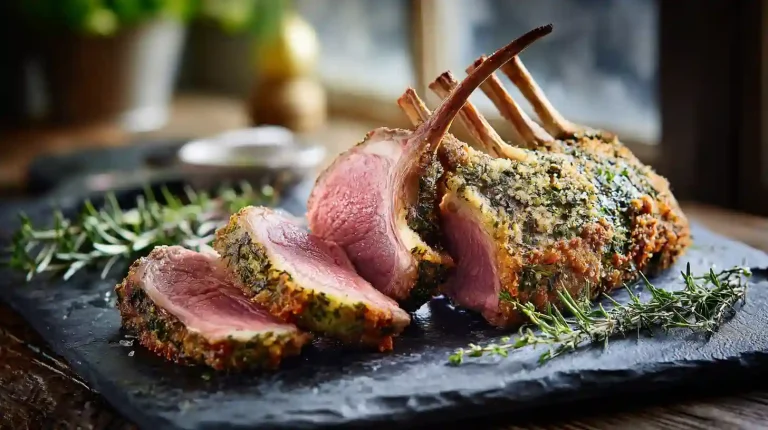
- Espresso-Braised Lamb: swap beef for lamb leg steaks and add rosemary; coffee matches lamb’s gaminess well.
- Coffee-Barbecue Pork: use the same rub on thick pork chops but cook to 63°C (145°F) and rest 3–5 minutes; a slightly sweeter glaze balances the coffee.
- Vegetarian “steak” alternative: use thick portobello mushrooms or cauliflower steaks brushed with a little oil mixed with the rub, roast at 200°C for 20–25 minutes. Finishes that work: compound butter (butter + anchovy + parsley), chimichurri, or a red-wine reduction. Play with acids (citrus or vinegar) to brighten the heavy roast notes of coffee.


Gordon Ramsay Coffee Rub Steak
Ingredients
Equipment
Method
- Mix the dry ingredients in a bowl: coffee, brown sugar, smoked paprika, garlic powder, onion powder, black pepper, and kosher salt.
- Pat ~15–20 g rub on each steak on both sides for a thin crust. Let it sit for 30–60 minutes for surface flavor.
- Preheat your skillet over high heat until very hot (200–230°C). Sear steaks for 1.5–2.5 minutes per side.
- For medium-rare, finish in a preheated oven at 180°C for 4–6 minutes; use a thermometer to check around 50–52°C.
- Rest steaks for 5–10 minutes before slicing to allow juices to redistribute.
Nutrition
Notes
Love this recipe?
Give us 5 stars and comment!Video tutorial: gordon ramsay coffee rub steak
FAQ – gordon ramsay coffee rub steak
What kind of steak is best for the coffee rub?
Ribeye, sirloin, or striploin are ideal choices because they handle high heat and have great flavor. Ensure they’re about 2–3 cm thick for best results.
How long should I let the rub sit on the steak?
If you’re pressed for time, let it sit for at least 30 minutes. But for even more flavor, go for 60 minutes. Just don’t forget to dry-brine first for that juicy tenderness!
Can I make the coffee rub in advance?
Absolutely! Store it in an airtight container away from light, and it’ll stay potent for about 2–3 months. Just remember, the fresher the coffee, the better the flavor!
Conclusion
Finally nailing the Gordon Ramsay coffee rub steak felt like winning a Michelin star in my own kitchen. The aroma of perfectly seared beef mingled with the hint of smokiness from paprika filled the air, all while that crispy crust formed just the way I imagined it. You slice into this steak, and it’s juicy, tender, and mouthwatering—just like in the restaurants! Feeling that flavor hit my taste buds—there’s nothing quite like it. Now it’s your turn—make it bold, make it yours, and turn your kitchen into a steakhouse!